Gardening enthusiasts often find themselves at a crossroads when it comes to choosing materials for their garden beds. One common question that arises is whether soil can effectively replace mulch. While both serve different purposes in the garden, there’s a lot to unpack. Understanding the roles of soil and mulch, their benefits, and their potential drawbacks can help you make informed decisions to promote healthy plant growth. Let’s explore this topic in depth to uncover the truth behind using soil as a mulch alternative.
Understanding Mulch and Its Role in Gardening
Before we delve into whether soil can substitute mulch, it’s essential to understand what mulch is and why it’s beneficial for your garden.
What Is Mulch?
Mulch is a layer of material applied to the surface of soil in garden beds. It can be made from various materials, including organic options like wood chips, straw, and grass clippings, or inorganic materials like gravel and plastic sheeting. Its primary purpose is to cover the soil surface.
Benefits of Using Mulch
- Weed Control: Mulch acts as a barrier, preventing sunlight from reaching weed seeds and inhibiting their growth.
- Moisture Retention: By reducing evaporation, mulch helps maintain soil moisture, which is crucial for plant health.
- Temperature Regulation: It helps keep soil temperatures stable, protecting roots from extreme heat or cold.
- Soil Health: Organic mulches break down over time, enriching the soil with nutrients.
- Aesthetics: Mulch can enhance the visual appeal of garden beds, creating a polished look.
What Is Soil?
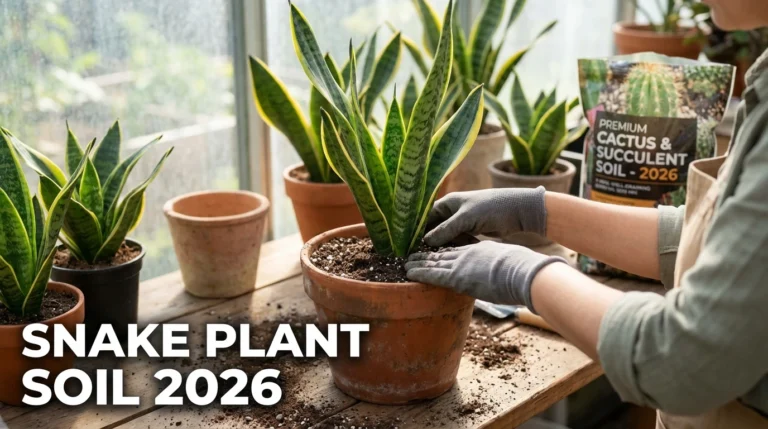
Soil, on the other hand, is the upper layer of earth where plants grow. It is composed of minerals, organic matter, air, and water. Soil is essential for root anchorage and provides the necessary nutrients for plants.
The Benefits of Healthy Soil
- Nutrient Supply: Soil is rich in essential nutrients that plants need to thrive.
- Root Support: It provides a stable environment for plant roots to grow and expand.
- Water Retention: Good quality soil can retain moisture, ensuring plants have access to water.
Can Soil Replace Mulch?
Now that we have a solid understanding of both mulch and soil, let’s address the question: Can soil be used instead of mulch?
Comparative Analysis of Soil and Mulch
While soil and mulch can complement each other, they serve distinct purposes. Here are some key comparisons:
- Functionality: Mulch is primarily used for surface protection, while soil is foundational and nutrient-rich.
- Weed Suppression: Mulch is much more effective at suppressing weeds due to its coverage, whereas soil can allow weed seeds to sprout.
- Moisture Management: Mulch excels at retaining moisture by reducing evaporation, while soil, though it retains moisture, does not offer the same surface coverage.
When Soil Might Be Used as Mulch
There are specific scenarios where using soil as a mulch may be appropriate:
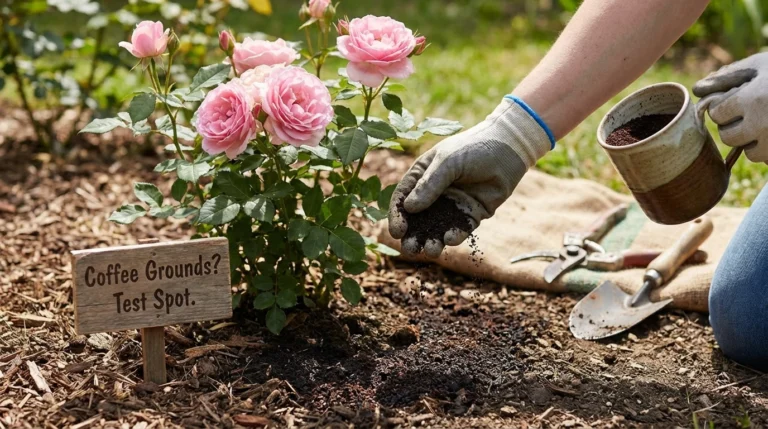
- Top-Dressing: A thin layer of soil can be used as a top-dressing for nutrients, but it should not replace mulch entirely.
- Soil Improvement: If your garden needs a nutrient boost, adding soil can enhance the overall health of your plants.
Drawbacks of Using Soil Instead of Mulch
While there may be instances where soil can be beneficial, there are significant drawbacks to using it as a substitute for mulch.
Potential Issues
- Increased Weed Growth: Soil can promote weed growth if not properly managed, leading to competition for resources.
- Moisture Loss: Without the protective layer that mulch provides, soil may dry out more quickly, requiring more frequent watering.
- Soil Erosion: Rainwater can wash away topsoil, especially if it’s not covered, leading to erosion.
Best Practices for Using Soil and Mulch Together
The best approach is often a combination of both soil and mulch, allowing you to take advantage of the benefits of each. Here are some best practices:
Layering Techniques
- Start with Quality Soil: Ensure you have nutrient-rich soil as your base layer.
- Add Organic Matter: Mix in compost or well-rotted manure to enhance soil health.
- Apply Mulch: Once your soil is prepared, cover it with a layer of mulch. Aim for 2-4 inches for optimal benefits.
Choosing the Right Mulch
- Organic Mulches: Wood chips, straw, and shredded leaves are excellent options that improve soil as they decompose.
- Inorganic Mulches: Gravel, stones, or landscape fabric can be used in areas where you want to control weeds without adding organic matter.
Ideas for Mulching
Here are some creative and visually appealing ideas for using mulch in your garden:
- Wood Chip Pathways: Create charming walkways in your garden using wood chips to define paths.
- Colorful Stone Borders: Use colored gravel as a decorative border around flower beds for added visual interest.
- Flower Bed Layers: Combine different organic mulches like straw and shredded leaves for a textured look.
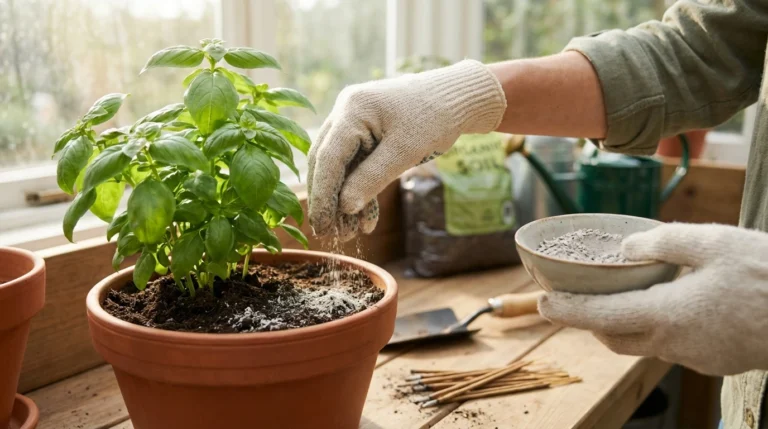
- Mulch + Herbs: Plant herbs in mulch-covered areas for a fragrant and functional garden space.
Expert Tips for Effective Mulching
To maximize the benefits of mulch in your garden, consider these expert tips:
- Keep Mulch Away from Plant Stems: This prevents rot and allows for airflow around the plants.
- Renew Mulch Annually: Organic mulches break down over time, so replenishing them every year is important.
- Monitor Moisture Levels: Check soil moisture regularly, especially in the heat of summer, to ensure plants are hydrated.
- Experiment with Different Materials: Try various mulch types to see what works best for your specific plants and garden conditions.
Common Questions About Using Soil and Mulch
1. Can I just use soil and skip mulch altogether?
While soil is essential for plant growth, skipping mulch can lead to increased weed growth and moisture loss. Using both together is ideal.
2. How often should I replace mulch?
Organic mulch should be replaced or replenished annually, while inorganic materials can last longer but may need occasional refreshing.
3. Is there a specific type of mulch that works best for all plants?
Different plants have varying needs; however, organic mulches generally benefit most plants by enhancing soil quality as they decompose.
4. Can mulch attract pests?
Yes, certain types of mulch, especially organic ones, can attract pests. Always monitor for pests and use pest-resistant options when possible.
5. How thick should my mulch layer be?
A 2-4 inch layer of mulch is recommended for optimal weed suppression and moisture retention without suffocating plant roots.
Conclusion
Using soil instead of mulch may seem like a convenient shortcut, but it often leads to more problems than solutions. While soil provides essential nutrients and support for your plants, mulch plays a vital role in protecting soil, conserving moisture, and suppressing weeds. The best approach is to use both, creating a healthy and thriving garden environment. By layering quality soil with a good mulch, you can ensure your plants flourish while enjoying the aesthetic and functional benefits of a well-maintained garden.