When it comes to gardening and improving soil health, many gardeners continuously seek effective amendments to enhance their plants’ growth. One of the intriguing options gaining popularity is zeolite, a natural mineral with unique properties. You might be wondering, is zeolite good for soil? The answer is yes, but there’s so much more to understand about how it works, its benefits, and the best ways to use it in your garden. Let’s dive into the world of zeolite and explore its role in promoting vibrant, healthy soil.
What is Zeolite?
Zeolite is a naturally occurring volcanic mineral that has a unique crystalline structure. This structure allows it to absorb and hold water, nutrients, and even toxins, making it an ideal soil amendment. With over 40 different types of zeolites, clinoptilolite is the most commonly used in gardening. It’s appreciated for its ability to improve soil quality and promote plant health.
How Does Zeolite Work?
Zeolite’s natural properties make it a powerhouse for soil amendment. Here’s how it works:
- Ion Exchange Capacity: Zeolite has a high cation exchange capacity (CEC), meaning it can hold onto important nutrients like potassium, calcium, and magnesium. This feature helps prevent nutrients from leaching away, ensuring they remain available to plants.
- Water Retention: The porous structure of zeolite can hold significant amounts of water, making it beneficial in retaining moisture in the soil. This is particularly useful in dry climates or for plants that require consistent watering.
- pH Buffering: Zeolite can help stabilize soil pH levels, creating an optimal environment for soil microbes and plant roots. This stability promotes healthy growth by ensuring nutrient availability.
- Odor Control: In composting or animal bedding, zeolite can help absorb odors, making it a favorable option for maintaining a pleasant garden environment.
Benefits of Using Zeolite in Soil
Incorporating zeolite into your gardening routine can offer numerous benefits that enhance your soil’s health and your plants’ growth. Here are some key advantages:
1. Improved Nutrient Availability
Thanks to its ion exchange properties, zeolite makes nutrients more accessible to plants. By retaining essential minerals, it ensures that your plants get the nourishment they need for optimal growth, leading to healthier and more productive plants.
2. Enhanced Water Retention
Zeolite can hold approximately three times its weight in water. This capability helps maintain consistent moisture levels in the soil, reducing the frequency of watering needed. It’s especially useful during dry spells, ensuring that your plants stay hydrated.
3. Better Soil Aeration
The porous nature of zeolite improves soil structure, enhancing aeration. Well-aerated soil allows for better root development, leading to stronger plants. It also promotes beneficial microbial activity, which is crucial for nutrient cycling.
4. Reduced Soil Erosion
By improving soil structure and moisture retention, zeolite can help reduce erosion. Healthy soil is less likely to wash away during heavy rains, protecting your garden from nutrient loss and degradation.
5. Environmental Benefits
Zeolite is a natural product, making it an environmentally friendly choice for soil improvement. Using zeolite can reduce the need for chemical fertilizers, promoting sustainable gardening practices that benefit both your plants and the planet.
How to Use Zeolite in Your Garden
Incorporating zeolite into your garden can be simple and straightforward. Here’s a step-by-step guide on how to effectively use zeolite in your soil:
1. Determine Your Soil Needs
Before adding zeolite, it’s essential to assess your soil’s current condition. Conduct a soil test to determine pH levels, nutrient content, and overall health. This information will help guide how much zeolite you should add.
2. Choose the Right Type of Zeolite
Opt for clinoptilolite, the most commonly used type for gardening. It’s widely available and effective for improving soil health. Make sure to purchase high-quality zeolite from a reputable supplier to ensure you’re getting a product that is safe and effective.
3. Application Methods
There are several ways to apply zeolite to your garden:
- Mixing with Soil: Incorporate zeolite directly into the soil before planting. Use about 5-10% zeolite by volume mixed with your existing soil for optimal results.
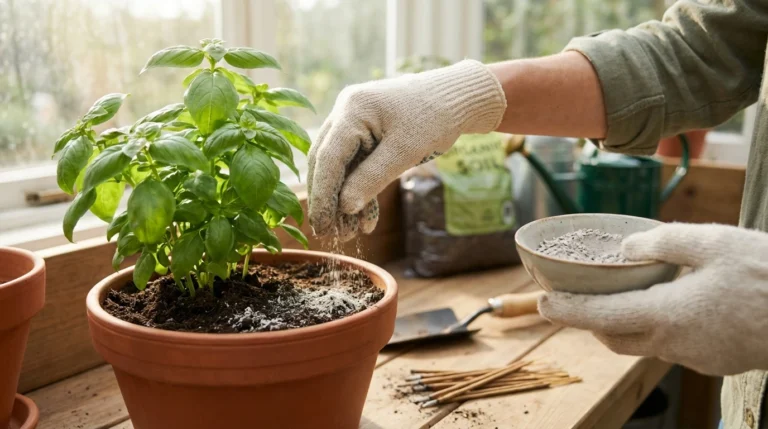
- Top Dressing: For established plants, apply zeolite as a top dressing. Spread a thin layer around the base of the plants and lightly incorporate it into the soil surface.
- Composting: Add zeolite to your compost pile. It will help control odors and improve the nutrient content of your compost, resulting in richer organic matter.
4. Monitor and Adjust
After applying zeolite, keep an eye on your plants and soil conditions. Monitor moisture levels and plant health. Adjust the amount of zeolite as needed based on your observations and soil tests.
Ideas for Using Zeolite in Your Garden
If you’re looking for creative ways to incorporate zeolite into your gardening routine, here are some inspiring ideas:
- Container Gardening: Mix zeolite into potting soil for container plants to enhance water retention and nutrient availability.
- Raised Bed Gardens: Add zeolite to the soil in raised beds for improved drainage and aeration, promoting healthier root systems.
- Herb Gardens: Use zeolite in herb gardens to maintain consistent moisture levels, ensuring robust flavors in your herbs.
- Vegetable Gardens: Incorporate zeolite into vegetable garden beds to boost soil fertility and promote higher yields.
- Flower Beds: Enhance flower beds with zeolite to improve bloom quality and longevity.
Expert Tips for Using Zeolite
To maximize the benefits of zeolite in your garden, consider these expert tips:
- Combine with Organic Matter: For best results, mix zeolite with compost or well-rotted manure. This combination enhances nutrient availability and supports soil structure.
- Test Soil pH: While zeolite helps buffer pH, know your soil’s natural levels. You may need to make additional adjustments based on your plant types.
- Use Sparingly: While zeolite is beneficial, avoid overapplication. Too much can lead to nutrient imbalances. Stick to recommended amounts based on your soil tests.
- Rotate Crops: Practice crop rotation to maintain soil health. Zeolite can help support diverse plantings by improving overall soil quality.
Common Questions About Zeolite and Soil
1. Can zeolite replace fertilizers?
While zeolite enhances nutrient retention, it does not replace fertilizers entirely. It works best as a supplement to improve nutrient availability and soil health.
2. Is zeolite safe for all plants?
Yes, zeolite is generally safe for all plants. However, it’s essential to monitor your specific plant needs and adjust accordingly.
3. How often should I apply zeolite?
Typically, zeolite can be added once a season, but this may vary based on soil tests and plant health. Regular monitoring will help you determine the best application frequency.
4. Can zeolite help with heavy clay soils?
Definitely! Zeolite can improve drainage and aeration in heavy clay soils, making it easier for roots to grow and reducing waterlogging issues.
5. Where can I buy zeolite for gardening?
Zeolite is available at garden centers, home improvement stores, and online retailers. Ensure you choose a high-quality product specifically intended for horticultural use.
Conclusion
Zeolite is a fantastic addition to any gardener’s toolkit. With its ability to enhance nutrient retention, improve water management, and promote healthier soil structure, it’s a valuable resource for growing vibrant plants. Whether you’re a seasoned gardener or just starting, incorporating zeolite can lead to remarkable improvements in your garden. Give it a try, and see how it transforms your soil health and plant vitality!