Hostas are a beautiful addition to any garden, offering lush foliage and vibrant colors. However, their appeal also attracts a variety of animals looking for a tasty snack. If you’ve noticed your hostas being nibbled on or entirely devoured, you’re likely wondering what culprits are responsible and how to protect your beloved plants. This guide delves into the animals that commonly feast on hostas, along with effective strategies to safeguard them.
Understanding the Culprits
Before you can effectively protect your hostas, it’s essential to identify the animals that are drawn to them. Here are the main offenders:
1. Slugs and Snails
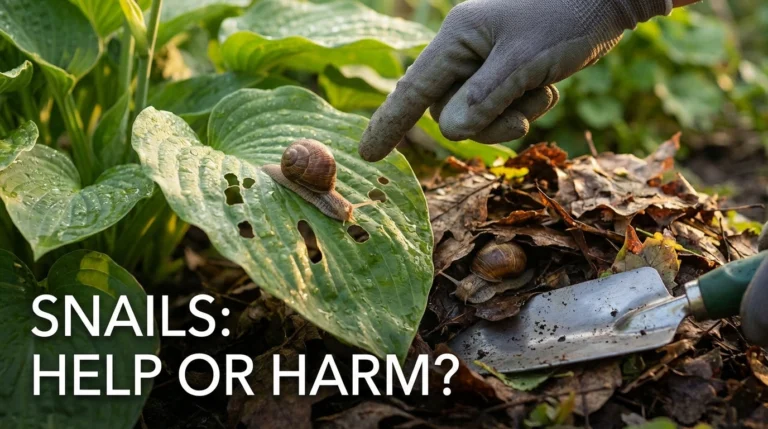
These slimy creatures are perhaps the most notorious hosta munchers. They thrive in moist environments and are particularly active at night, leaving a telltale trail behind.
2. Deer
Deer are known for their voracious appetites and will happily munch on hostas during their foraging expeditions. They tend to favor the tender, young leaves, which can lead to significant damage.
3. Rabbits
Rabbits are another common threat, especially in suburban areas. They can quickly decimate a hosta plant by nibbling the leaves down to the ground.
4. Groundhogs
These larger pests are known for digging up hostas and consuming them. Groundhogs typically enjoy the entire plant, leaving nothing but stubs behind.
5. Squirrels
Squirrels may not be the most common hosta eaters, but they can occasionally dig up the roots or nibble on the leaves, especially if they’re looking for a snack.
Symptoms of Hostas Damage
Identifying damage caused by these animals is crucial for effective intervention. Look for the following signs:
- Irregular holes in the leaves, especially near the edges.
- Missing foliage with the stems left intact.
- Visible slime trails on the ground or leaves, indicating slug activity.
- Unearthed roots or plants that have been pulled from the ground.
Protective Strategies
Once you’ve identified the culprits, it’s time to take action. Here are some effective strategies to protect your hostas from hungry animals:
1. Physical Barriers
Creating physical barriers is one of the most effective ways to deter pests:
- Row Covers: Use lightweight fabric to cover your hostas, allowing sunlight and water through while keeping pests out.
- Fencing: Install a fence around your garden. For deer, ensure the fence is at least 8 feet tall, as they can easily jump lower barriers.
- Wire Mesh: Surround your hostas with wire mesh or chicken wire, burying the bottom to prevent burrowing animals like groundhogs from getting in.
2. Natural Deterrents
There are several natural methods to deter animals from your hostas:
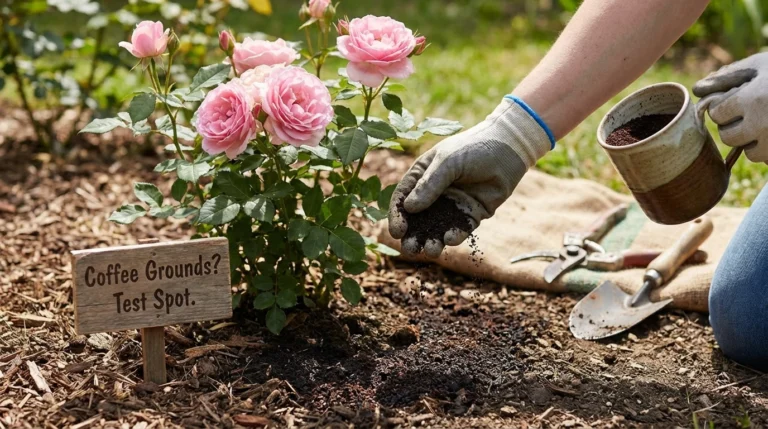
- Strong Scents: Many animals dislike strong odors. Sprinkle crushed garlic, cayenne pepper, or coffee grounds around your plants.
- Predator Urine: Using predator urine from coyotes or foxes can deter deer and rabbits, as they instinctively avoid areas where predators may be lurking.
- Soap Shavings: Some gardeners swear by placing soap shavings around hostas to repel slugs and snails.
3. Chemical Barriers
If natural methods aren’t enough, consider using repellents:
- Commercial Animal Repellents: Look for products specifically designed to deter the animals you’re facing. Always follow the manufacturer’s instructions for application.
- Slug Bait: For slugs, use iron phosphate-based baits that are safe for pets and wildlife.
4. Companion Planting
Companion planting can also help protect hostas from pests:
- Planting Mint: Mint plants can deter slugs and other pests due to their strong scent.
- Marigolds: These flowers repel a variety of garden pests and can add a burst of color to your garden.
- Garlic: Plant garlic near your hostas to naturally ward off slugs and deer.
5. Encouraging Beneficial Wildlife
Encouraging natural predators can help manage pest populations:
- Birdhouses: Install birdhouses to attract birds that will feed on insects and pests.
- Beneficial Insects: Introduce ladybugs and lacewings to your garden, as they feed on slugs and snails.
Expert Tips for Hosta Care
Ensuring the health of your hostas can make them less appealing to pests:
- Healthy Soil: Start with well-draining, nutrient-rich soil to promote strong, healthy plants.
- Regular Watering: Keep hostas well-watered but avoid waterlogging, which can attract pests.
- Fertilization: Use a balanced fertilizer in early spring to encourage robust growth.
Common Questions About Hostas and Pests
1. How do I know if slugs are eating my hostas?
Look for irregular holes in the leaves and slime trails on the ground. Slugs are most active at night, so check your plants after dark.
2. Will deer eat all types of hostas?
While deer prefer young, tender leaves, they may eat any hosta if food is scarce. Planting deer-resistant varieties can help.
3. Can I use coffee grounds as a pest deterrent?
Yes, coffee grounds can deter slugs and snails due to their texture and acidity. Sprinkle them around the base of your hostas.
4. What should I do if my hostas are already damaged?
Remove any severely damaged leaves and consider applying a natural repellent to deter further feeding. Ensure the plants are receiving proper care to encourage recovery.
5. Are there hosta varieties that are more resistant to pests?
Yes, some varieties, like ‘Sum and Substance’ and ‘Blue Angel,’ tend to be more resistant to pests due to their thicker leaves.
Conclusion
Protecting your hostas from hungry animals doesn’t have to be a daunting task. By identifying the culprits and implementing a combination of physical barriers, natural deterrents, and proper plant care, you can enjoy the beauty of your hostas without the worry of them being devoured. Take the time to observe your garden, choose the right strategies, and your hostas will thrive for seasons to come.