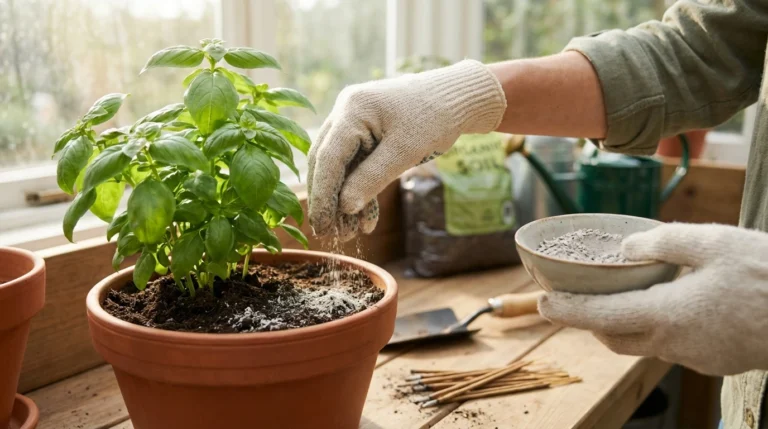
Imagine stepping into a world where the weather is perfectly tailored for your plants, where the chill of winter and the scorching heat of summer are kept at bay. This is the magic of a greenhouse! A well-designed greenhouse creates a microclimate, providing an ideal environment for plants to grow year-round. Whether you’re a seasoned gardener or a curious beginner, understanding how a greenhouse works can open up a world of gardening possibilities. Let’s explore the intricate workings of greenhouses and how you can create your own thriving microclimate.
Understanding Greenhouse Basics
At its core, a greenhouse is a structure designed to trap heat and light, allowing you to grow plants in controlled conditions. The concept is simple yet powerful: by harnessing the sun’s energy, you create a warm and stable environment that supports plant growth. Here’s a breakdown of how greenhouses function:
1. The Structure
Typically made from transparent materials like glass or plastic, greenhouses come in various shapes and sizes. The design ensures that sunlight can penetrate while minimizing heat loss. Key features include:
- Frame: Most greenhouse frames are constructed from aluminum, wood, or galvanized steel, providing durability and support.
- Glazing: The transparent covering allows sunlight to enter. Glass offers excellent light transmission, while polycarbonate and polyethylene are lightweight and provide adequate insulation.
- Ventilation: Proper airflow is essential. Roof vents, side vents, and exhaust fans regulate temperature and humidity.
2. Solar Energy Collection
A greenhouse captures solar energy through its transparent materials. As sunlight enters, it warms the air and surfaces inside. This heat is trapped due to the greenhouse effect, where the warm air cannot escape easily. The key components include:
- Heat Absorption: The ground, plants, and internal surfaces absorb heat during the day.
- Heat Retention: At night, the greenhouse retains this heat, creating a stable temperature for plants.
3. Temperature Regulation
Maintaining the right temperature is critical for plant health. Here’s how you can regulate temperature inside your greenhouse:
- Heating Systems: In colder months, consider using electric or gas heaters to maintain warmth.
- Cooling Systems: Use shade cloths, evaporative coolers, or fans to prevent overheating in the summer.
- Thermometers: Place thermometers at various heights to monitor temperature fluctuations.
Creating Your Own Microclimate
Creating a microclimate is about tailoring environmental conditions to suit specific plants. Here are steps to achieve an optimal growing environment:
1. Choosing the Right Location
Where you place your greenhouse influences its effectiveness. Consider these factors:
- Sunlight: Select a location that receives ample sunlight for most of the day.
- Wind Protection: Position your greenhouse away from strong winds, or use landscaping to shield it.
- Accessibility: Ensure it’s easy to reach for maintenance and harvesting.
2. Selecting Appropriate Plants
Not all plants thrive in greenhouse conditions. Choose varieties suited for your climate and the specific conditions you can create:
- Heat-Loving Plants: Tomatoes, peppers, and cucumbers thrive in warmer environments.
- Cool-Weather Crops: Lettuce, spinach, and peas can grow in cooler conditions, especially in the spring and fall.
- Flowers: Many flowering plants, including orchids and geraniums, flourish in controlled environments.
3. Managing Humidity
Humidity plays a crucial role in plant health. Here are tips for managing moisture levels:
- Watering Practices: Water plants in the morning to reduce evaporation and encourage absorption.
- Humidity Control: Use humidifiers or misting systems to maintain optimal humidity levels.
- Dehumidifying: Ensure proper ventilation to prevent excess moisture, which can lead to mold and disease.
Building Your Greenhouse
Once you’re familiar with how a greenhouse works and how to create a microclimate, it’s time to consider building your own. Here are steps to guide you through the process:
1. Planning Your Greenhouse
Start with a solid plan. Consider the following:
- Size: Determine how much space you need based on the plants you wish to grow.
- Budget: Set a budget that includes materials, tools, and any equipment needed.
- Design: Choose a design that fits your available space and complements your garden.
2. Gathering Materials
Gather all necessary materials for construction. Key components include:
- Frame Materials: Aluminum, wood, or steel.
- Glazing Material: Glass panels or plastic sheeting.
- Foundation: Concrete blocks or treated wood for a sturdy base.
3. Construction Steps
Follow these steps to build your greenhouse:
- Prepare the Site: Clear the area and level the ground.
- Build the Frame: Assemble the frame according to your design specifications.
- Install Glazing: Attach your chosen glazing material securely to the frame.
- Add Ventilation: Install vents to ensure proper airflow.
- Set Up Shelving: Use shelving or benches for planting and organizing your space.
Maintaining Your Greenhouse
Once your greenhouse is up and running, regular maintenance is key to its success. Here are essential tips:
1. Regular Cleaning
Keep the interior and exterior of your greenhouse clean to ensure maximum light penetration. Schedule routine cleaning sessions:
- Glass Cleaning: Use a mild soap solution to clean glass or plastic to prevent algae and dirt buildup.
- Weed Control: Remove any weeds from the interior and surrounding area.
2. Pest and Disease Management
Monitor plants regularly for signs of pests or diseases. Implement integrated pest management strategies:
- Natural Predators: Introduce beneficial insects like ladybugs to control aphids.
- Organic Treatments: Use neem oil or insecticidal soap for pest control.
3. Seasonal Adjustments
As seasons change, adjust your greenhouse settings accordingly:
- Winter Preparation: Insulate walls and consider heating systems to protect plants from freezing temperatures.
- Summer Care: Use shade cloths to prevent overheating during hot months.
Expert Tips for Greenhouse Success
As you embark on your greenhouse journey, consider these expert tips to enhance your gardening experience:
- Crop Rotation: Rotate plants each season to maintain soil health and prevent disease.
- Companion Planting: Pair plants that benefit each other, such as basil and tomatoes, to maximize growth.
- Soil Quality: Regularly test and amend your soil to ensure it remains nutrient-rich.
- Experiment: Don’t hesitate to try new plants or techniques; gardening is all about exploration!
Common Questions About Greenhouses
1. What is the ideal temperature for a greenhouse?
The ideal temperature varies by plant type, but generally, aim for 70-80°F during the day and 60-70°F at night for most vegetables.
2. How often should I water my greenhouse plants?
Watering frequency depends on plant type and environmental conditions. Monitor soil moisture and water when the top inch feels dry.
3. Can I use a greenhouse year-round?
Absolutely! With proper heating in winter and cooling methods in summer, you can grow a variety of plants throughout the year.
4. What are the best crops to grow in a greenhouse?
Popular choices include tomatoes, peppers, cucumbers, herbs, and various flowers, but you can experiment with many different plants depending on your climate.
5. How do I prevent pests in my greenhouse?
Implement good hygiene, use companion planting, introduce beneficial insects, and consider organic pest control methods to keep pests at bay.
Conclusion
Creating a greenhouse and understanding how it works opens up endless possibilities for gardening enthusiasts. By controlling your microclimate, you can grow a diverse range of plants year-round, regardless of external weather conditions. With careful planning, regular maintenance, and a touch of creativity, your greenhouse can flourish, providing you with a bounty of fruits, vegetables, and beautiful blooms. So roll up your sleeves, and start your greenhouse adventure today!