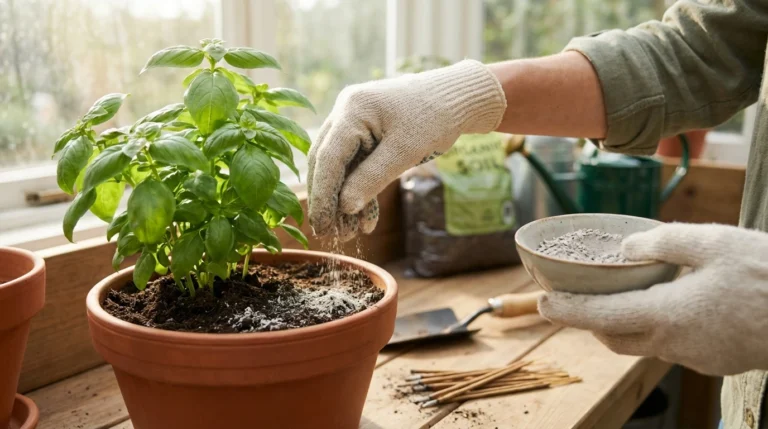
Imagine stepping into a vibrant oasis where the air is filled with the sweet scent of blooming flowers, and the gentle buzz of bees creates a serene symphony. Wildflower gardens are not only visually stunning but also provide a habitat for pollinators and contribute to biodiversity. If you’re looking to transform your outdoor space into a colorful canvas of nature, this guide will inspire you with over 19 stunning wildflower garden ideas you can easily replicate at home.
Quick Answer
To create a stunning wildflower garden, choose a variety of native wildflowers suited to your region, plan your layout, and ensure good soil preparation. Consider adding pathways and seating areas to enhance the garden’s beauty and functionality.
Why Choose Wildflowers?
Wildflowers are a fantastic choice for any gardener. They come in various shapes, sizes, and colors, making them perfect for creating stunning displays. Here are a few reasons to consider planting a wildflower garden:
- Low Maintenance: Once established, wildflowers require minimal care.
- Eco-Friendly: They attract beneficial insects and support local wildlife.
- Cost-Effective: Many wildflower seeds are inexpensive and easy to source.
- Aesthetic Appeal: Wildflower gardens offer a natural, unstructured beauty that can enhance any landscape.
19+ Stunning Wildflower Garden Ideas
1. Cottage Garden Charm
Embrace the cozy allure of a cottage garden by mixing wildflowers with traditional plants. Include daisies, cornflowers, and poppies for that quintessential English country feel.
2. Meadow in a Pot
If space is limited, consider creating a container wildflower garden. Use large, deep pots to plant a mix of wildflowers that spill over the edges, such as California poppies and black-eyed Susans.
3. Butterfly Haven
Design a wildflower garden specifically to attract butterflies. Plant milkweed, coneflowers, and lantanas to provide food and habitat for these beautiful creatures.
4. Desert Wildflower Oasis
For arid climates, choose drought-resistant wildflowers like desert marigolds and evening primrose. Create a stunning contrast with rocks and succulents for a unique desert landscape.
5. Woodland Wildflower Retreat
Transform a shaded area into a tranquil woodland garden using wildflowers like trillium, bloodroot, and wild geraniums. Incorporate ferns and moss for added texture.
6. Pollinator Paradise
Focus on creating a pollinator-friendly garden by planting a variety of nectar-rich flowers. Include bee balm, echinacea, and zinnias for a vibrant and buzzing space.
7. Coastal Charm
In coastal areas, select salt-tolerant wildflowers like seaside goldenrod and beach strawberry. These plants will thrive in sandy soils while adding color to your seaside garden.
8. Vertical Wildflower Walls
Maximize small spaces by creating vertical wildflower gardens using trellises or wall planters. Climbing varieties like sweet peas and morning glories can add height and drama.
9. Edible Wildflower Garden
Combine beauty with utility by planting edible wildflowers such as nasturtiums, violets, and borage. These not only enhance your meals but also attract beneficial insects.
10. Color Explosion
For a bold statement, choose wildflowers in a rainbow of colors. Mix purple lupines, yellow coreopsis, and red poppies for a vibrant display that catches the eye.
11. Zen Garden Vibes
Create a peaceful wildflower garden with a focus on simplicity. Use minimal plants like white daisies and lavender, adding stones and gravel for a calming effect.
12. Seasonal Blooms
Design a wildflower garden that blooms in different seasons. Choose early bloomers like crocuses, mid-season flowers like sunflowers, and late bloomers like asters for year-round interest.
13. Rustic Farmhouse Style
Embrace a rustic aesthetic by incorporating wildflowers like sunflowers and daisies with natural materials like wooden fences and stone paths to give your garden a farmhouse feel.
14. Rain Garden
Help manage water runoff by creating a rain garden filled with native wildflowers like Joe Pye weed and cardinal flower. This not only beautifies your yard but also supports local ecosystems.
15. Children’s Wildflower Garden
Engage kids in gardening by creating a wildflower garden just for them. Choose fun, colorful flowers like candy tuft and cosmos, and add playful features like a small path or stepping stones.
16. Urban Wildflower Garden
For city dwellers, utilize rooftop gardens or balcony spaces. Choose compact wildflower varieties that thrive in containers, like dwarf sunflowers and alpine aster, to bring nature to urban settings.
17. Historical Wildflower Garden
Incorporate heirloom varieties of wildflowers that have historical significance in your area. This not only adds beauty but also tells a story of your local heritage.
18. Wildlife-Friendly Edges
Design the borders of your garden with wildflowers to create a soft edge that attracts wildlife. Plant trailing varieties like creeping thyme and wild strawberries to entice birds and insects.
19. Wildflower Slope Garden
If you have a sloped area, consider a wildflower slope garden. Use erosion-resistant plants like yarrow and clover to stabilize the soil while creating a colorful display.
Expert Tips for a Successful Wildflower Garden
To ensure your wildflower garden flourishes, keep these expert tips in mind:
- Choose Native Species: Native wildflowers are better adapted to your local climate and soil conditions, requiring less maintenance.
- Soil Preparation: Prepare the soil by removing weeds and adding organic matter to create a nutrient-rich environment.
- Timing is Key: Plant wildflower seeds in the fall or early spring for optimal growth.
- Water Wisely: Water new plants regularly until established, but avoid overwatering to prevent root rot.
- Mulch for Weed Control: Apply a layer of mulch to suppress weeds and retain soil moisture.
Common Questions About Wildflower Gardens
What wildflowers are best for beginners?
Beginner-friendly wildflowers include sunflowers, zinnias, and cosmos as they are easy to grow and maintain.
How do I attract more pollinators to my wildflower garden?
Plant a diverse range of flowering plants, avoid pesticides, and provide water sources to attract and support pollinators.
Can I grow wildflowers in containers?
Yes! Many wildflower species thrive in containers, making them perfect for patios or small spaces.
How often should I water my wildflower garden?
Water your wildflower garden regularly during dry spells, especially when the plants are young. Once established, they typically require less frequent watering.
Is it necessary to deadhead wildflowers?
Deadheading, or removing spent flowers, can encourage more blooms and prevent self-seeding, but it’s not always necessary for all species.
Conclusion
Creating a stunning wildflower garden is not only a rewarding project but also a beautiful way to connect with nature. Whether you have a sprawling backyard or a tiny balcony, there’s a wildflower idea here for everyone. By choosing the right plants and incorporating thoughtful design, you can cultivate a vibrant habitat that brings joy to both you and the local wildlife. So gather your seeds, roll up your sleeves, and let your wildflower garden bloom!