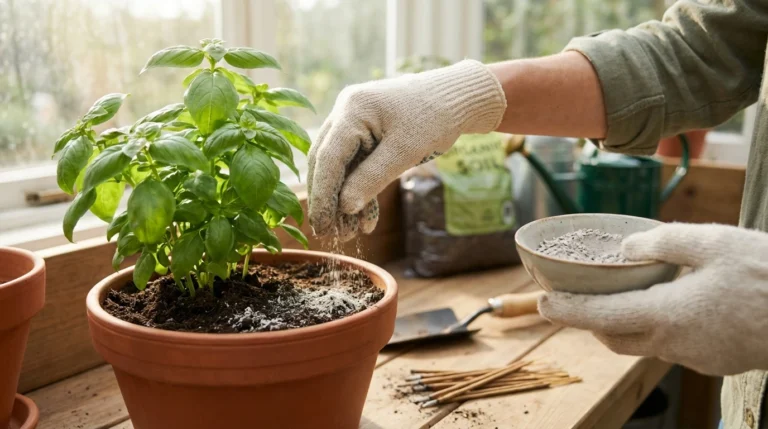
Creating a stunning front yard flower bed can transform your home’s curb appeal and leave a lasting impression on guests and passersby. Whether you prefer vibrant colors, fragrant blooms, or low-maintenance plants, there’s something magical about a well-designed flower bed. In this guide, we’ll explore over 30 captivating front yard flower bed ideas that will inspire you to enhance your outdoor space. Get ready to turn your front yard into a beautiful showcase of nature’s artistry!
Quick Answer
To elevate your front yard, consider flower beds filled with diverse blooms like peonies, hydrangeas, and daisies. Incorporate varied heights and textures for visual interest, and remember to choose plants that complement your home’s style and local climate.
Designing Your Front Yard Flower Bed
When planning a flower bed, it’s important to consider a few key elements to ensure a thriving and beautiful garden. Here are some essential tips to guide your design process:
1. Assess Your Space
- Size: Measure the area where you plan to plant. This helps you determine how many flowers you can fit without overcrowding.
- Sunlight: Observe how much sunlight the area receives throughout the day. Most flowers thrive in full sun (6-8 hours), while some prefer partial shade.
- Soil Quality: Test your soil for pH and nutrient levels. Amending your soil can greatly improve your plants’ health.
2. Choose Your Flowers Wisely
Select flowers based on your climate zone, desired color scheme, and maintenance level. Here are some popular options:
- Annuals: Marigolds, petunias, and zinnias for continuous blooms.
- Perennials: Echinacea, daylilies, and lavender for lasting beauty year after year.
- Shrubs: Hydrangeas and azaleas add height and structure.
3. Create Layers
Layering your flower bed with taller plants at the back and shorter ones in the front creates depth. This not only looks appealing but also ensures that all plants get adequate sunlight.
30+ Front Yard Flower Bed Ideas
Now that you have the essentials down, let’s dive into some inspiring flower bed designs that will make you look twice!
1. Classic Cottage Garden
A mix of perennials and annuals like delphiniums, daisies, and hollyhocks creates a whimsical, inviting feel. This style promotes a relaxed and charming atmosphere.
2. Modern Minimalism
Opt for clean lines and a limited color palette. Use large clumps of one type of flower, such as white lilies or gray lavenders, to create a sophisticated look.
3. Tropical Paradise
For a bold statement, plant exotic blooms like hibiscus, bird of paradise, and bougainvillea. Pair with lush green foliage to enhance the tropical vibe.
4. Pollinator’s Haven
Include flowers that attract bees and butterflies, such as coneflowers, bee balm, and asters. This not only beautifies your yard but also supports local wildlife.
5. Colorful Edging
Plant vibrant flowers like marigolds or petunias along the edges of your flower bed to create a lively border that frames your garden beautifully.
6. Vertical Interest
Incorporate vertical elements like trellises with climbing flowers such as clematis or morning glory. This adds height and interest to your flower bed.
7. Seasonal Showcase
Create a flower bed that features seasonal blooms, like tulips in spring, daisies in summer, and chrysanthemums in fall, ensuring your garden looks beautiful year-round.
8. Textured Layers
Mix plants with different textures, such as the soft leaves of lamb’s ear alongside the spiky foliage of ornamental grasses, to add visual richness.
9. Herb and Flower Combo
Combine culinary herbs like basil and rosemary with edible flowers such as nasturtiums for a functional yet stunning flower bed.
10. Rustic Charm
Use natural materials like wood and stone as borders for your flower beds. Fill them with sunflowers, zinnias, and other wildflowers to enhance the rustic feel.
11. Monochromatic Magic
Picking one color, like shades of purple with lavender, allium, and salvia, can create a sophisticated and serene atmosphere.
12. Family-Friendly Garden
Incorporate durable plants that can withstand play and exploration, such as daylilies and sedum, mixed with soft, low-growing blooms.
13. Container Gardens
Use pots and containers to create portable flower beds. Mix trailing plants like ivy with upright blooms for a dynamic display.
14. Wildflower Garden
Plant a mix of native wildflowers that require little maintenance and provide a natural, meadow-like aesthetic.
15. Fragrant Retreat
Choose aromatic flowers like jasmine, gardenia, and lilacs to create a sensory experience that welcomes visitors with delightful scents.
16. Butterfly Garden
Incorporate butterfly-friendly plants such as milkweed, lantana, and verbena to create a beautiful and beneficial environment for these lovely creatures.
17. Rock Garden Blooms
Combine flowers with a rocky landscape for a unique, rugged look. Succulents and alpine flowers thrive in this type of setting.
18. Shade-Loving Flowers
Plant shade-tolerant flowers like hostas, ferns, and astilbes in darker corners of your yard for a lush, green oasis.
19. Vertical Garden Walls
Utilize vertical space by creating a living wall with succulents and trailing vines, perfect for small yards.
20. Edible Flower Borders
Mix colorful edible flowers like pansies, violets, and borage with your regular flower beds for a charming twist.
21. Seasonal Color Blocks
Design your flower bed with blocks of color that change with the seasons, providing a fresh look throughout the year.
22. Low-Maintenance Perennials
Choose hardy perennials like sedum and catmint that require minimal upkeep while still providing visual appeal.
23. Vintage Inspired
Incorporate antique-style flowers like peonies and foxgloves for a classic, timeless look that evokes nostalgia.
24. Coastal Vibes
Use salt-tolerant plants like seaside goldenrod and beach grass to create a seaside-inspired flower bed, perfect for coastal homes.
25. Drought-Resistant Delights
Opt for drought-tolerant flowers such as lavender and succulents, reducing water usage while still showcasing beauty.
26. Children’s Garden
Design a playful area with bright colors and fun shapes. Use flowers with interesting textures and scents to engage children.
27. Wildlife-Friendly Garden
Incorporate plants that provide food and habitat for birds and small animals, creating a lively and active flower bed.
28. Layered Heights
Utilize plants of varying heights to create dimension. Pair tall sunflowers with shorter daisies for a stunning contrast.
29. Formal Symmetry
Create a symmetrical layout with evenly spaced plants and structured lines for a formal and elegant flower bed.
30. Artistic Arrangements
Use color and shape creatively. Arrange flowers in swirling patterns or clusters for a unique artistic effect that draws the eye.
Expert Tips for a Flourishing Flower Bed
- Soil Preparation: Work organic compost into your soil to improve drainage and provide essential nutrients for your flowers.
- Watering Wisely: Water your flower bed in the early morning to minimize evaporation and fungal diseases.
- Mulching: Apply mulch around your flowers to suppress weeds, retain moisture, and regulate soil temperature.
- Regular Maintenance: Deadhead spent blooms and remove weeds regularly to keep your flower bed looking its best.
- Seasonal Changes: Rotate your plants or change out annuals each season for a fresh look throughout the year.
Common Questions
What flowers are best for full sun?
Flowers like sunflowers, zinnias, and marigolds thrive in full sun and are excellent choices for bright spots in your garden.
How do I maintain my flower bed throughout the year?
Regularly water, deadhead spent flowers, apply mulch, and remove weeds. Adjust your care routine as seasons change.
Can I mix perennials and annuals in the same flower bed?
Absolutely! Mixing perennials and annuals can create a dynamic flower bed that offers color and interest throughout the seasons.
How can I attract butterflies and bees to my garden?
Plant a variety of nectar-rich flowers and avoid pesticides. Flowers such as coneflowers and milkweed are particularly effective.
What is the best time to plant flowers?
The best time to plant flowers depends on your climate, but generally, spring and early fall are ideal for most varieties.
Conclusion
Transforming your front yard with stunning flower beds is a rewarding endeavor that enhances your home’s beauty and invites nature into your space. With a bit of planning, creativity, and care, you can create a vibrant floral display that reflects your personal style. So, roll up your sleeves, choose your favorite blooms, and start planting! Your dream flower bed is just a garden trowel away.