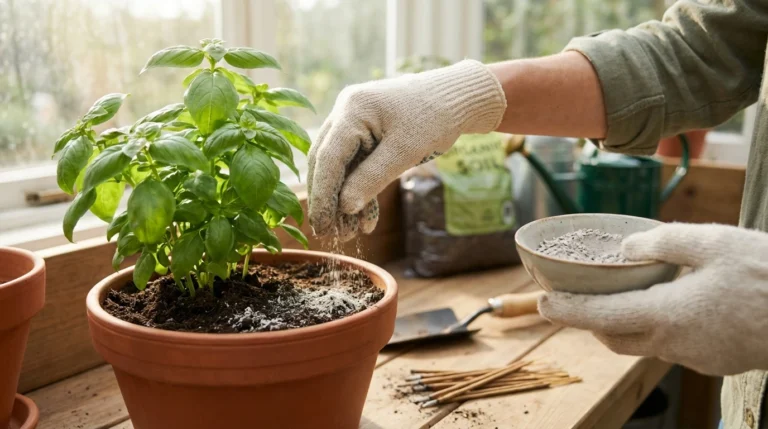
Creating a stunning vegetable garden can transform your outdoor space into a vibrant, productive haven. Whether you’re a seasoned gardener or just starting out, having a visually appealing layout can enhance your gardening experience and yield better results. With so many possibilities, it’s easy to feel overwhelmed. But don’t worry! Here are over 32 genius vegetable garden design ideas that will inspire you to cultivate your green thumb and create a garden that’s not just functional, but also beautiful.
Quick Answer
Designing a vegetable garden effectively involves considering layout, plant selection, and aesthetic appeal. Some genius ideas include raised beds, vertical gardens, companion planting, and using decorative containers. These methods maximize space and enhance the visual charm of your garden.
1. Raised Garden Beds
Raised garden beds are a popular choice for many gardeners. They provide excellent drainage, improve soil quality, and allow for easier access. Here’s how to make the most of them:
Benefits of Raised Beds
- Better Drainage: Raised beds prevent waterlogging by allowing excess water to drain away.
- Improved Soil Quality: You can customize the soil mix to suit your vegetables.
- Extended Growing Season: The soil warms up faster in spring.
- Accessibility: Easier on your back and knees, especially for older gardeners.
Design Tips
- Use rot-resistant materials like cedar or redwood.
- Consider varying heights for visual interest.
- Incorporate pathways between beds for easy access.
2. Vertical Gardening
Maximize your space with vertical gardening. This technique allows you to grow plants upward rather than outward, making it perfect for small areas.
Vertical Garden Ideas
- Wall Planters: Attach planters to a wall or fence for a stunning backdrop.
- Pallet Gardens: Repurpose old pallets by filling them with soil and planting herbs or small veggies.
- Hanging Gardens: Use hanging pots or containers to create an eye-catching display.
3. Companion Planting
Companion planting is a gardening technique where certain plants are grown together for mutual benefits. This not only optimizes space but also enhances growth and can deter pests.
Popular Companion Plants
- Tomatoes and Basil: Basil improves tomato flavor and repels pests.
- Carrots and Onions: Onions deter carrot flies while carrots aerate the soil.
- Beans and Corn: Beans fix nitrogen in the soil, benefiting corn.
4. Container Gardening
Container gardening offers flexibility and is ideal for urban dwellers or those with limited space. You can grow vegetables in pots, buckets, or even repurposed items.
Container Selection
- Choose containers with good drainage.
- Ensure pots are deep enough for root systems.
- Use colorful pots to add visual appeal.
5. Themed Garden Areas
Designing themed garden areas can add a unique touch to your vegetable garden. Here are some ideas to inspire you:
Theme Ideas
- Herb Spiral: Create a spiral garden bed for herbs at varying heights for easy access.
- Pizza Garden: Plant tomatoes, basil, and peppers in a circular design.
- Salad Bar: Grow various salad greens in a dedicated section.
6. Edible Landscaping
Incorporate vegetables into your existing landscape. Edible landscaping blends ornamental plants with edible ones for a stunning effect.
How to Start
- Use colorful vegetables like purple cabbage or red peppers as focal points.
- Plant flowering herbs such as chives or nasturtiums for added beauty.
- Incorporate fruit trees or bushes into your landscape design.
7. Garden Pathways
Paths can enhance the functionality of your garden while adding visual appeal. They guide visitors through your space and can be made from various materials.
Pathway Ideas
- Stone or Brick: Use natural materials for a rustic look.
- Gravel: Affordable and easy to maintain.
- Wood Chips: Great for a more natural appearance.
8. Colorful Plant Combinations
Mixing colorful vegetables and flowers can create a stunning display. Consider the following combinations:
Colorful Pairings
- Red Peppers and Yellow Marigolds: A vibrant duo that attracts pollinators.
- Purple Eggplants and Green Zucchini: A striking contrast.
- Rainbow Chard: Adds visual interest with its colorful stems.
9. Wildlife-Friendly Gardens
Creating a garden that attracts beneficial wildlife can enhance your vegetable garden’s health. Incorporate elements that invite pollinators and natural pest controllers.
Wildlife-Friendly Features
- Nesting Boxes: Attract birds that eat pests.
- Pollinator Gardens: Plant flowers that attract bees and butterflies.
- Water Sources: Add a small water feature for hydration.
10. Seasonal Rotation and Planning
Planning your garden seasonally helps maintain soil health and maximizes yields. Rotate crops to prevent nutrient depletion and pests.
Rotation Tips
- Follow a three-year rotation plan for best results.
- Alternate between root crops and leafy greens.
- Plant cover crops in the offseason to enrich the soil.
11. DIY Garden Features
Add unique touches to your garden with DIY projects that enhance its charm. Here are a few ideas to consider:
DIY Projects
- Garden Trellis: Build a trellis for climbing vegetables.
- Compost Bin: Create a compost area for organic waste.
- Garden Bench: Construct a seating area for relaxation.
12. Seasonal Color and Interest
Incorporating plants that bloom at different times can keep your garden visually appealing throughout the seasons.
Seasonal Planting Ideas
- Spring: Plant peas and radishes for early harvest.
- Summer: Incorporate sunflowers and zinnias.
- Fall: Add ornamental kale and pumpkins.
13. Garden Art and Decor
Incorporate art and decor to give your garden a personal touch. This can include sculptures, signs, or handmade decorations.
Decor Ideas
- Garden Stakes: Use decorative stakes to mark plants.
- Wind Chimes: Add sound to your garden space.
- Repurposed Items: Use old tools or furniture as decorative elements.
14. Efficient Irrigation Systems
Installing an efficient irrigation system can save water and ensure your plants receive adequate moisture.
Irrigation Options
- Drip Irrigation: Delivers water directly to plant roots.
- Soaker Hoses: Easy to install and effective.
- Rain Barrels: Collect rainwater for sustainable gardening.
15. Community Gardening
If you have limited space, consider joining or starting a community garden. It’s a great way to share resources, knowledge, and produce.
Benefits of Community Gardening
- Access to shared tools and resources.
- A sense of community and shared responsibility.
- Opportunities for learning and collaboration.
Expert Tips
Here are some insider tips to elevate your vegetable garden:
- Always start with healthy soil. Test pH and nutrient levels.
- Utilize crop rotation to manage soil health and pest control.
- Keep a garden journal to track growth patterns and successes.
Common Questions
1. What vegetables grow well together?
Some great combinations include tomatoes with basil, carrots with onions, and beans with corn. These pairings can enhance growth and deter pests.
2. How can I maximize a small garden space?
Utilize vertical gardening, raised beds, and container planting to make the most of limited space.
3. What should I do to prepare my garden for winter?
Clean up debris, add a layer of mulch, and consider planting cover crops to protect and enrich the soil.
4. How often should I water my vegetable garden?
Water deeply once a week, adjusting based on rainfall and plant needs. Aim for early morning watering to reduce evaporation.
5. What are some common mistakes to avoid in vegetable gardening?
Avoid overcrowding plants, neglecting soil health, and failing to rotate crops. These mistakes can hinder growth and yield.
Conclusion
Creating a beautiful and productive vegetable garden doesn’t have to be daunting. With these 32+ genius design ideas, you can craft a space that is both functional and visually stunning. Remember, gardening is a journey, so take your time, experiment with different designs, and enjoy the process of nurturing your plants. Happy gardening!