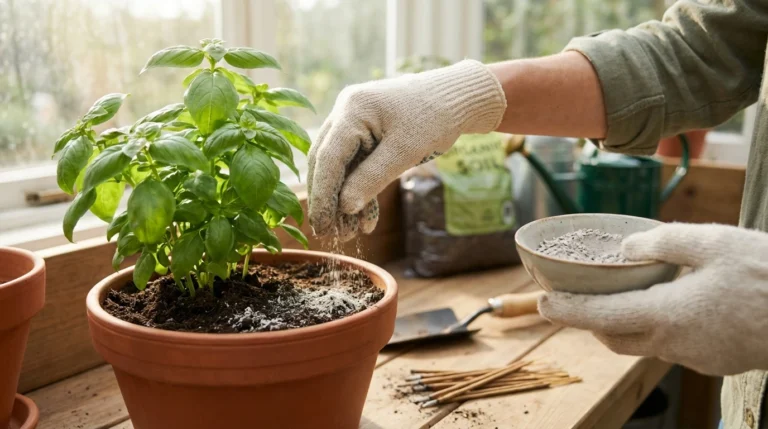
Starting a garden can feel like a daunting task, especially when you consider the expenses that often come with it. However, cultivating your green thumb doesn’t need to break the bank. With a little creativity and resourcefulness, you can start an abundant garden without spending a fortune. Whether you’re dreaming of vibrant flowers, fresh vegetables, or fragrant herbs, there are plenty of genius ways to kickstart your gardening adventure while keeping your budget in check. Let’s explore ten practical strategies that will help you grow more while spending less!
Quick Answer
To start gardening on a budget, consider using recycled materials, starting from seeds, creating your own compost, and choosing native plants. By implementing these strategies, you can cultivate a flourishing garden without overspending.
1. Use Recycled Materials
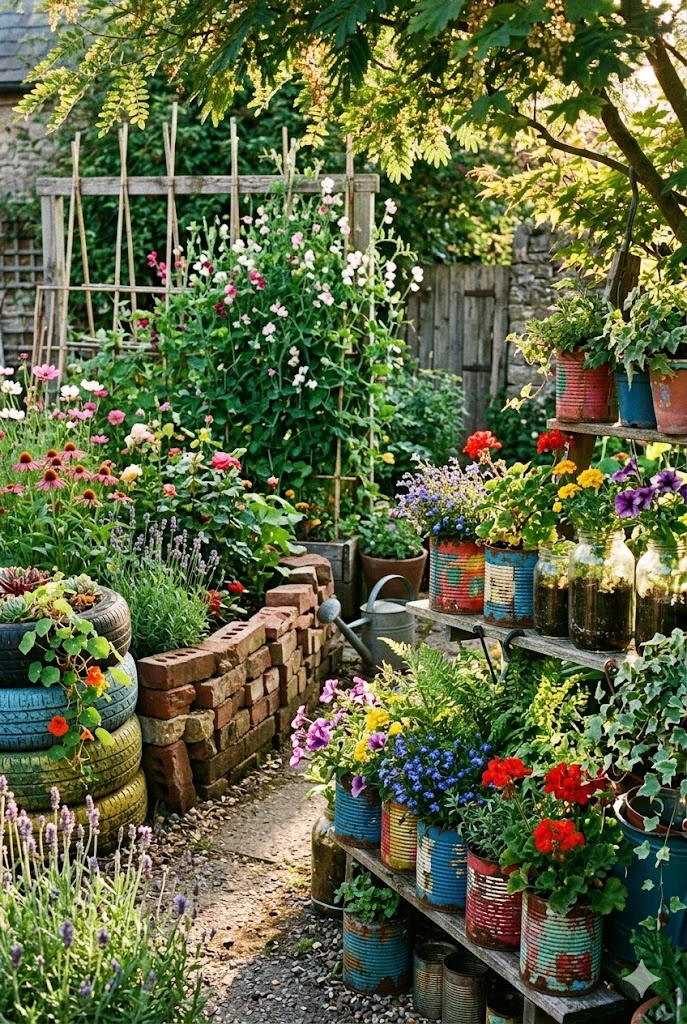
One of the simplest ways to save money in the garden is to repurpose materials you already have at home. Here are some creative ideas:
- Plant Pots: Old containers like tin cans, glass jars, or even wooden crates can make perfect plant pots. Just ensure they have proper drainage.
- Garden Borders: Broken bricks, stones, or even old tires can serve as attractive borders for your garden beds.
- Supports and Trellises: Use leftover wood or bamboo stakes to create supports for climbing plants.
2. Start from Seeds
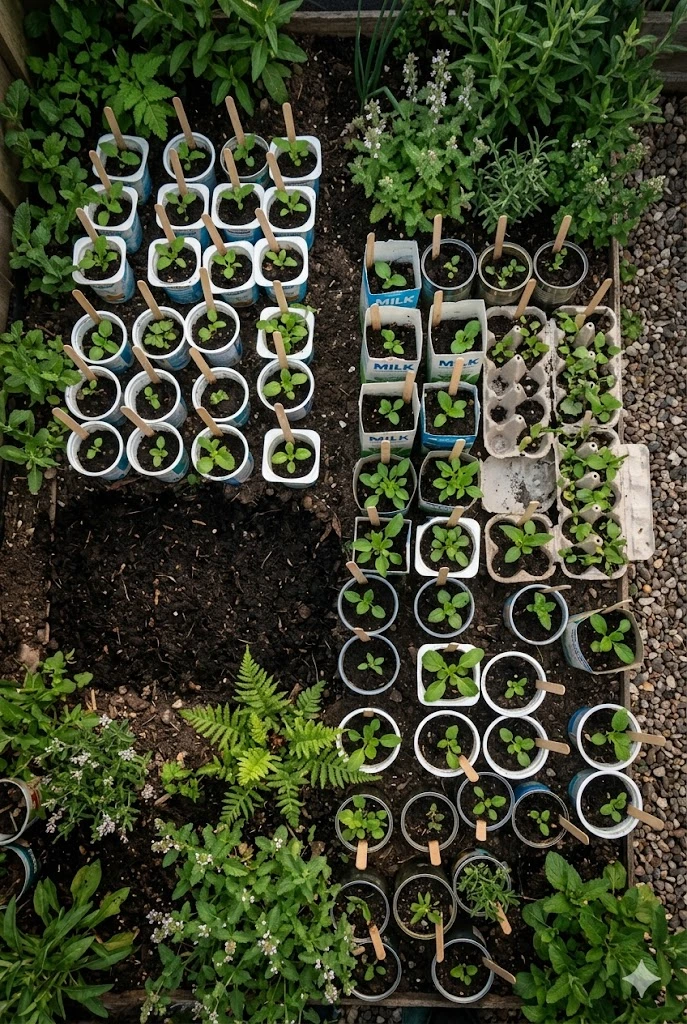
Buying seedlings can be convenient but often comes with a hefty price tag. Starting from seeds is a cost-effective way to grow a variety of plants. Here’s how to get started:
- Choose Your Seeds Wisely: Opt for high-yielding varieties that are well-suited to your climate. Heirloom seeds can also be a great choice for unique plants.
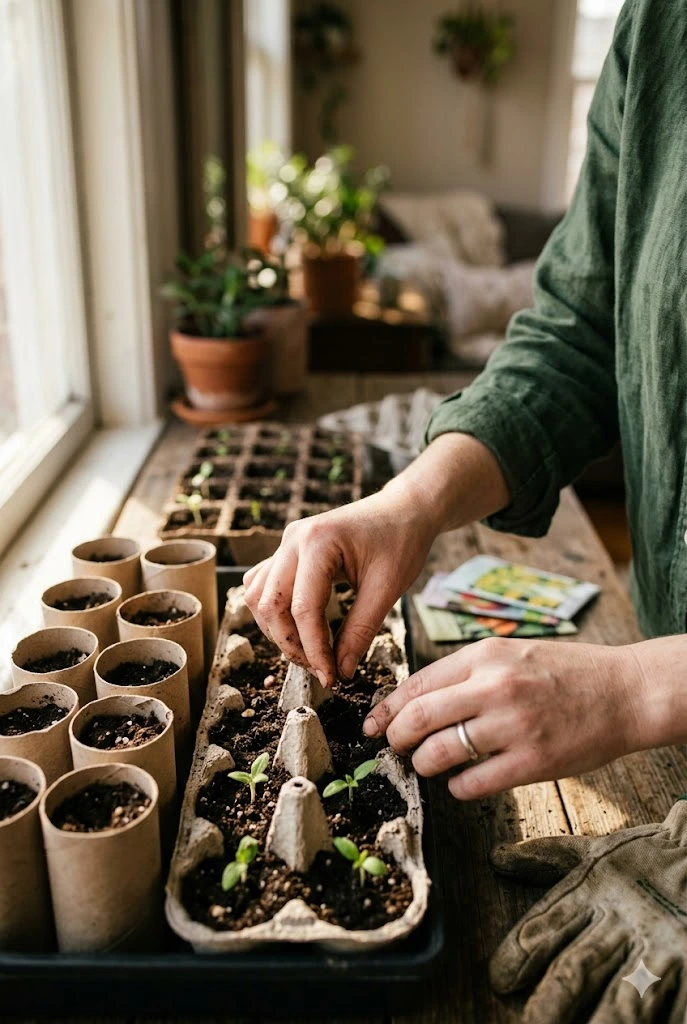
- Seed Starting Kits: You can make your own seed starting pots using recycled egg cartons or toilet paper rolls. Fill them with potting mix and plant your seeds.
- Timing is Key: Start seeds indoors during the colder months to ensure they’re ready to transplant when the weather warms up.
3. Create Your Own Compost
Buying compost can be pricey, but making your own is not only economical but also beneficial for your plants. Compost enriches your soil and helps retain moisture. Here’s how to get started:
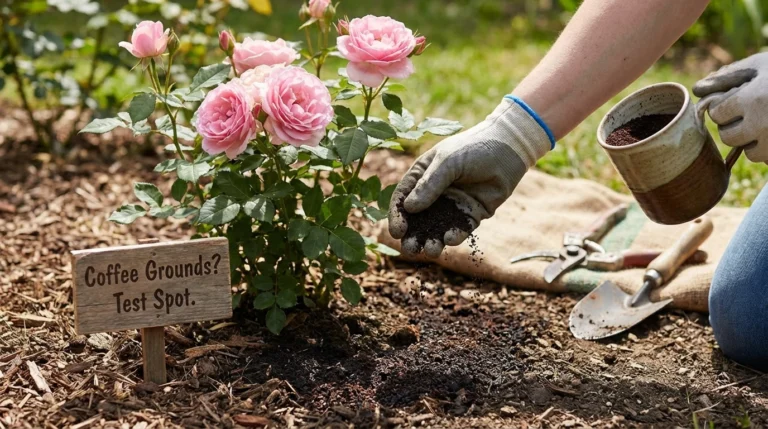
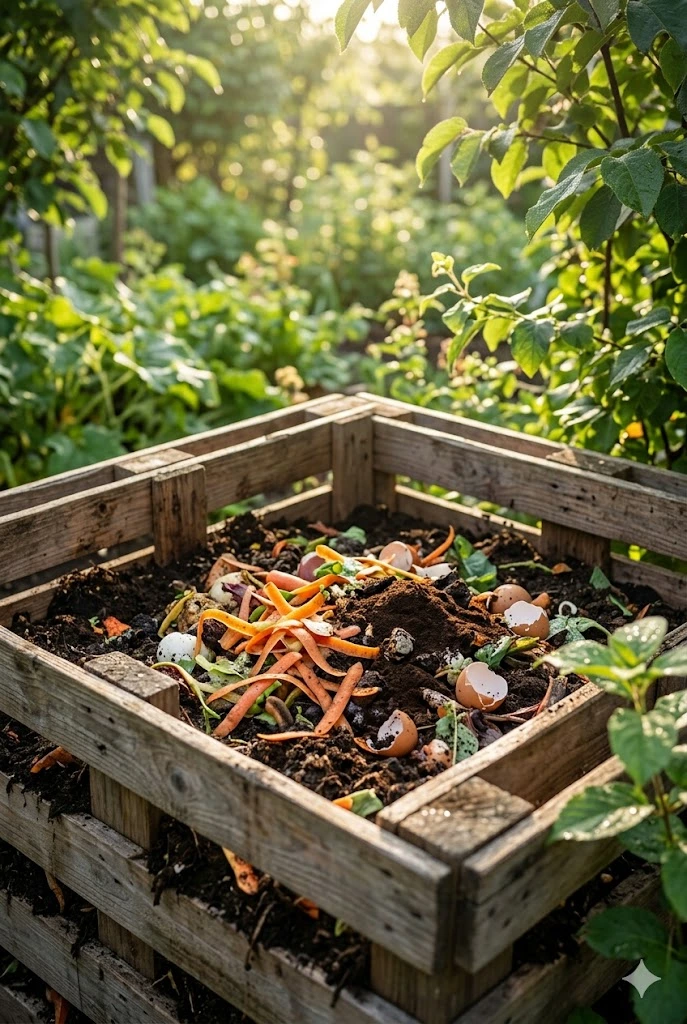
- Gather Materials: Use kitchen scraps like vegetable peels, coffee grounds, and eggshells. Yard waste like leaves and grass clippings are also great additions.
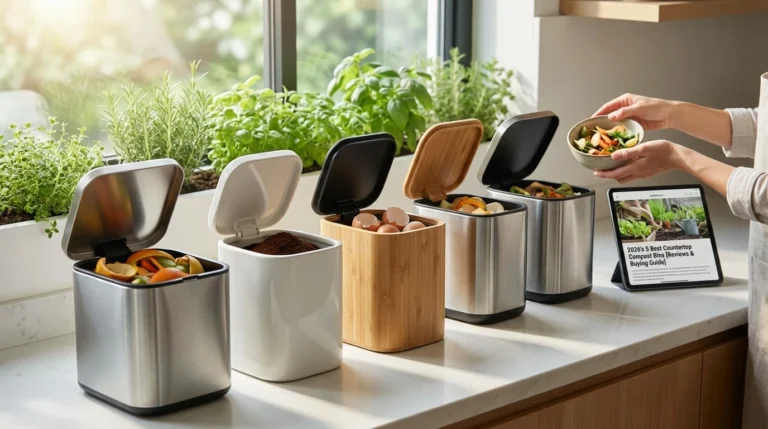
- Choose a Compost Bin: You can buy compost bins, but you can also create one from pallets or simply pile your materials in a corner of your yard.
- Turn It Regularly: Aerate your compost every few weeks to speed up the decomposition process.
4. Choose Native Plants
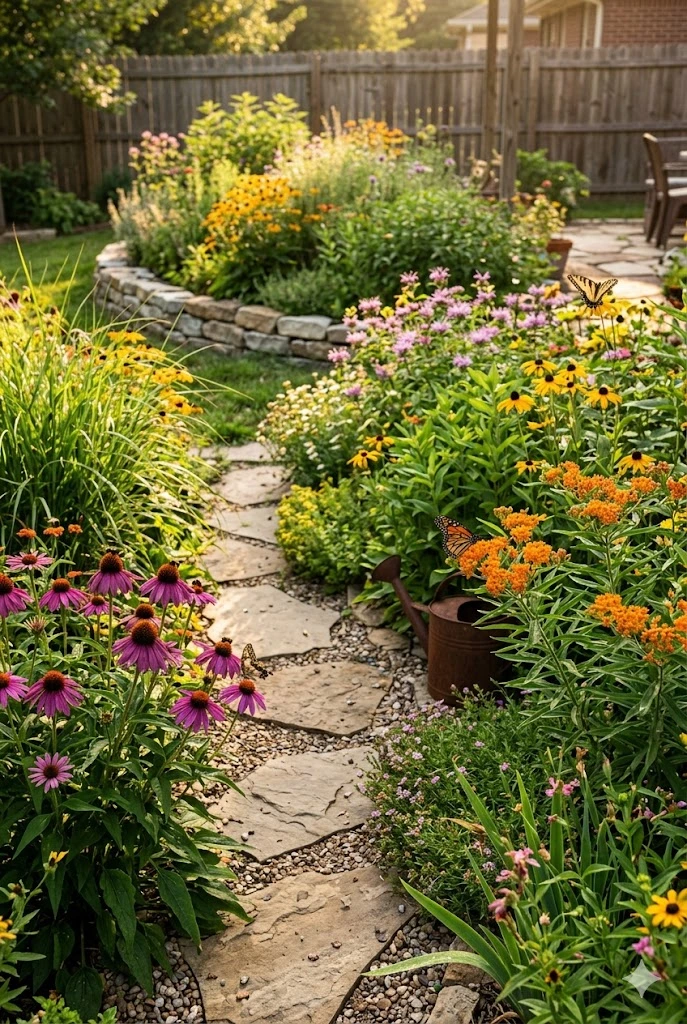
Native plants are adapted to your local climate and soil conditions, making them easier to grow and maintain. They often require less water and fewer resources. Here’s how to incorporate them:
- Research Local Flora: Look for plants that thrive in your area. They’ll be more resilient to local pests and diseases.
- Visit Local Nurseries: Many nurseries offer native plants at a reasonable price. Plus, staff can provide valuable growing tips.
- Benefits Include: Attracting local wildlife, such as bees and butterflies, which can enhance your garden’s ecosystem.
5. Use Mulch to Retain Moisture
Mulching is an effective way to conserve water, suppress weeds, and improve soil quality. It’s an inexpensive method that offers multiple benefits:
- Types of Mulch: Use grass clippings, wood chips, or shredded leaves as mulch. Even cardboard can work well!
- How to Apply: Spread a 2-3 inch layer of mulch around your plants, being careful not to cover the stems.
- Reduce Watering: By retaining moisture, mulch will help you water less frequently, saving both time and money.
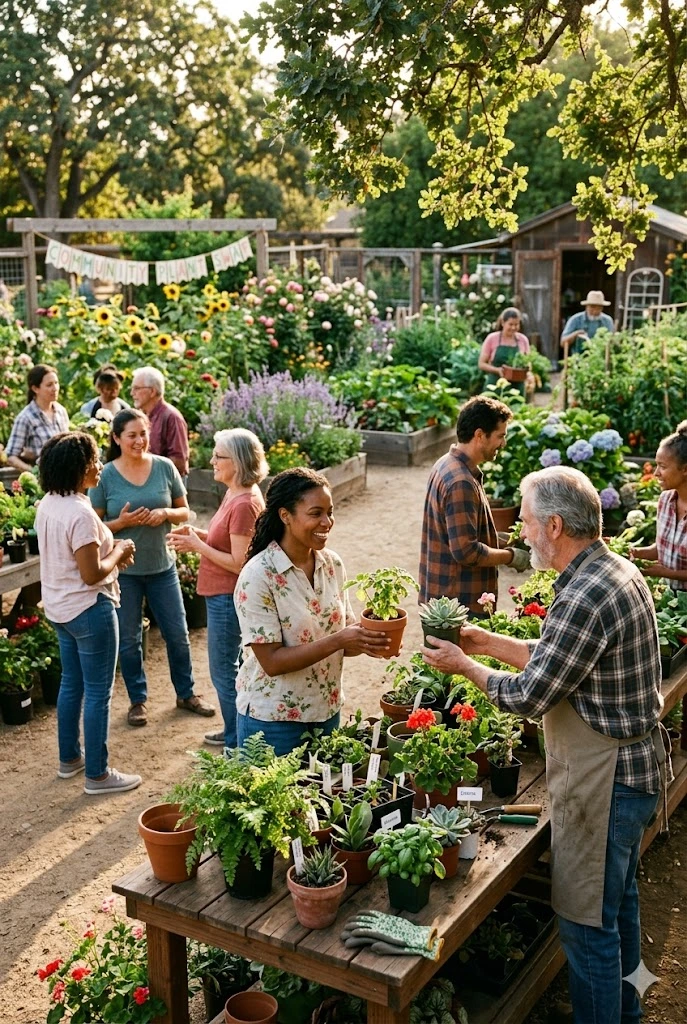
6. Share and Swap Plants
Gardening can be a community effort! Sharing and swapping plants with friends and neighbors is a fantastic way to diversify your garden without spending a dime:
- Host a Plant Swap: Organize a gathering where everyone brings cuttings or divisions of their plants to trade.
- Take Cuttings: Many plants can be propagated easily from cuttings. Ask friends for healthy plants to start your own.
- Join Local Gardening Groups: Connect with fellow gardeners online or in your area to exchange tips, seeds, and plants.
7. Utilize Free Resources
There’s a wealth of resources available to help you garden on a budget. Take advantage of free options:
- Online Gardening Forums: Websites and social media groups can provide valuable insights and tips from experienced gardeners.
- Library Resources: Check out gardening books and magazines from your local library for inspiration and guidance.
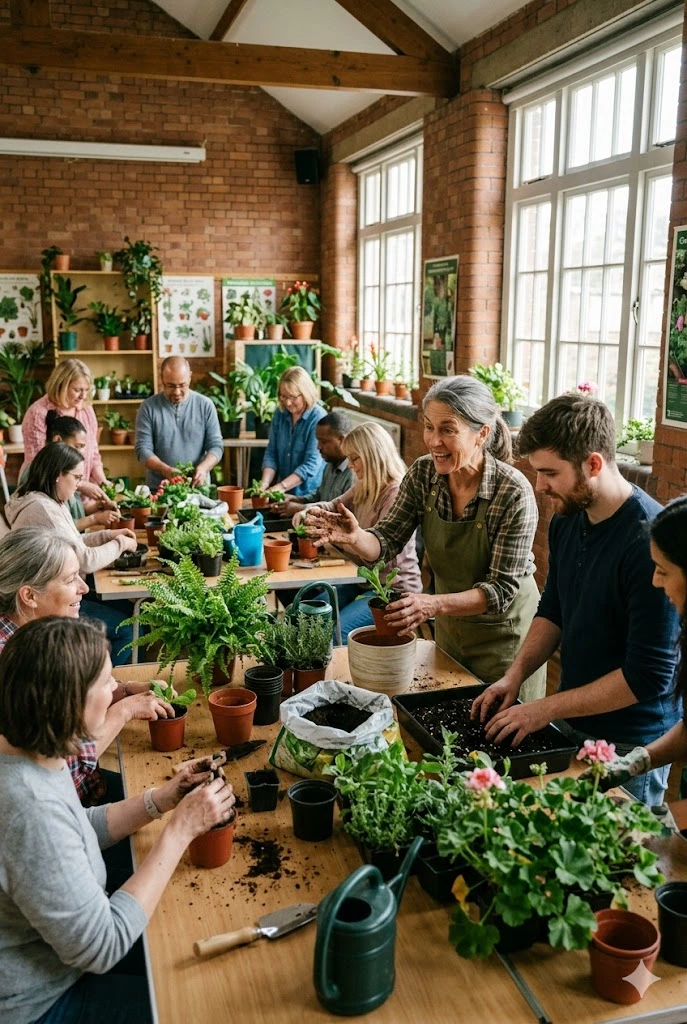
- Free Workshops: Many community centers or gardening clubs offer free classes on various gardening topics.
8. Optimize Space with Vertical Gardening
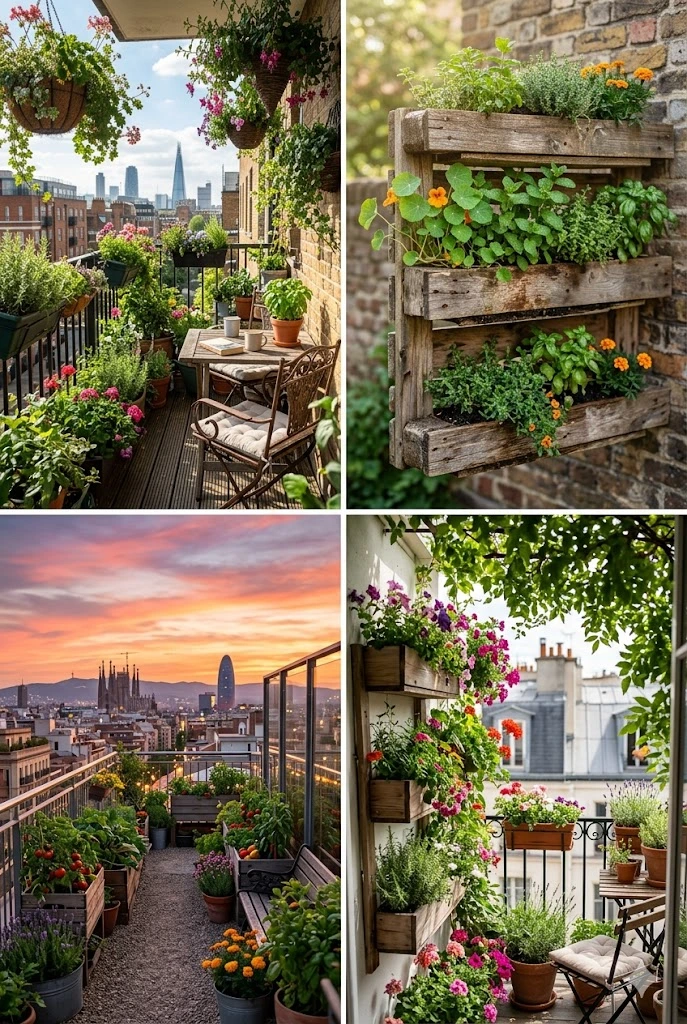
If you have limited space, vertical gardening can maximize your growing area and reduce costs. Here’s how to get started:
- Wall Planters: Use old pallets or shelves to create a vertical planting space for herbs and flowers.
- Hanging Baskets: Hang baskets from hooks or railings to grow trailing plants and maximize sunlight exposure.
- Rooftop or Balcony Gardens: Use containers to create a small garden on your balcony or rooftop, utilizing every inch of space.
9. Take Advantage of Seasonal Sales
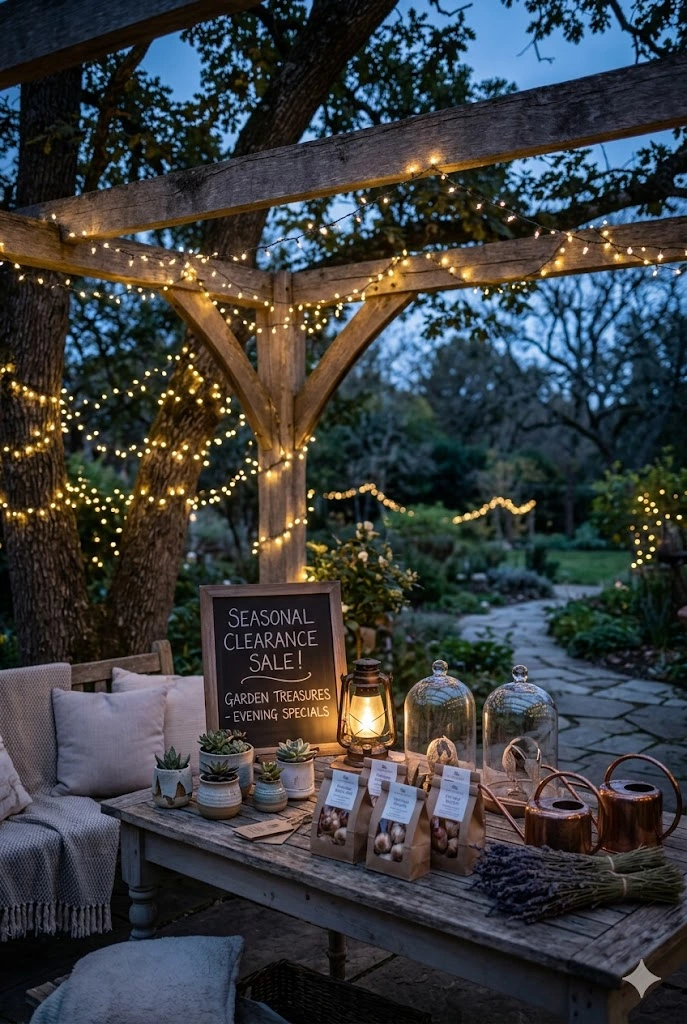
Timing your purchases can save you a significant amount of money. Keep an eye on seasonal sales and discounts:
- End of Season Sales: Many garden centers reduce prices on plants and supplies at the end of the growing season—perfect for planning next year’s garden!
- Coupons and Discounts: Sign up for newsletters from local nurseries to receive exclusive offers and discounts.
- Local Farmers’ Markets: Sometimes, you can find great deals on plants and gardening supplies at farmers’ markets.
10. Learn to DIY Garden Supplies
Instead of purchasing expensive gardening tools and supplies, consider making your own. Here are a few ideas:
- Homemade Fertilizers: Use kitchen scraps like banana peels and coffee grounds to create nutrient-rich fertilizers.
- DIY Pest Control: Create natural pest deterrents using household ingredients like soap and water or essential oils.
- Handmade Garden Tools: Simple tools can be crafted from household items, such as using a plastic bottle for a watering can.
Expert Tips
To elevate your gardening experience on a budget, consider these expert tips:
- Plan Your Garden: Create a garden plan to avoid impulse purchases and ensure you’re buying only what you need.
- Invest in Quality Tools: While it may seem counterintuitive, investing in a few high-quality tools can save you money in the long run.
- Stay Consistent: Regular maintenance will keep your garden healthy and productive, preventing costly problems down the line.
Common Questions
1. How can I start a garden with no experience?
Begin with easy-to-grow plants, research online resources, and consider joining a local gardening group for support.
2. What are the best budget-friendly plants to grow?
Consider growing herbs like basil and parsley, as well as vegetables like lettuce and radishes, which are inexpensive and easy to care for.
3. How can I make my own compost quickly?
Layer green materials (like kitchen scraps) with brown materials (like dried leaves) and turn it regularly to speed up decomposition.
4. Is vertical gardening suitable for all plants?
Yes, many plants, including tomatoes, cucumbers, and even flowers, can thrive in vertical gardens as long as they receive adequate sunlight and support.
5. Can I grow vegetables in containers?
Absolutely! Many vegetables adapt well to container gardening. Just ensure the containers have proper drainage and enough space for root growth.
Conclusion
Starting a garden on a budget is not only possible, but it can also be an incredibly rewarding experience. By utilizing recycled materials, starting from seeds, and embracing community resources, you can create a thriving garden that brings you joy and sustenance. Remember to plan ahead, stay informed, and keep experimenting. With these ten genius strategies, you’ll be well on your way to cultivating a beautiful garden while keeping your expenses low. Happy gardening!