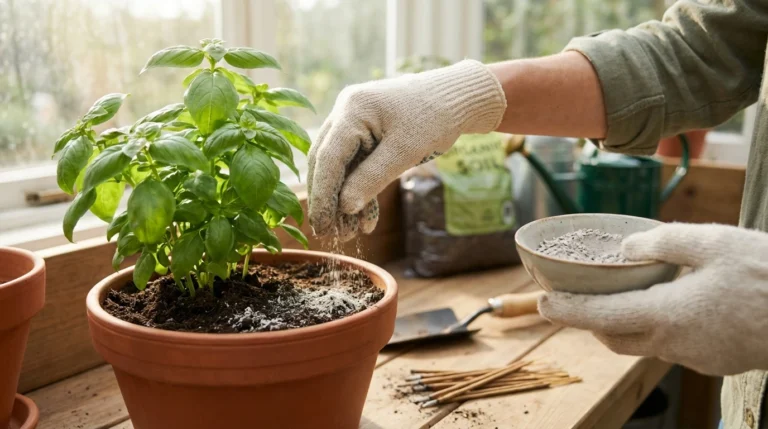
When we think of our gardens, we often picture vibrant flowers and lush greenery. However, lurking among the plants are creatures that can provoke mixed feelings among gardeners—snails. These slimy, shelled beings can be both friends and foes. Understanding their role in the garden ecosystem is essential for any gardener looking to foster a healthy environment. Are snails good for plants? Let’s delve into the pros and cons of having these mollusks in your garden.
Quick Answer
Snails can be both beneficial and harmful to your garden. While they contribute to soil health and assist in decomposing organic matter, they can also damage young plants and seedlings by feeding on their leaves. Understanding their role is key to managing their presence effectively.
The Role of Snails in the Garden Ecosystem
Snails play a complicated role in the garden ecosystem. While they are often seen as pests, they also offer several benefits that can contribute positively to soil health and biodiversity.
Benefits of Snails
- Natural Decomposers: Snails feed on decaying plant material, helping to break it down and recycle nutrients back into the soil.
- Soil Aeration: As snails move through the soil, they create small tunnels that help aerate it, promoting better water and nutrient absorption for plants.
- Food Source for Wildlife: Snails are a vital part of the food chain, serving as a food source for birds, amphibians, and other garden predators.
- Organic Matter Recycling: Their feeding habits contribute to the breakdown and recycling of organic matter, which enriches the soil.
Drawbacks of Snails
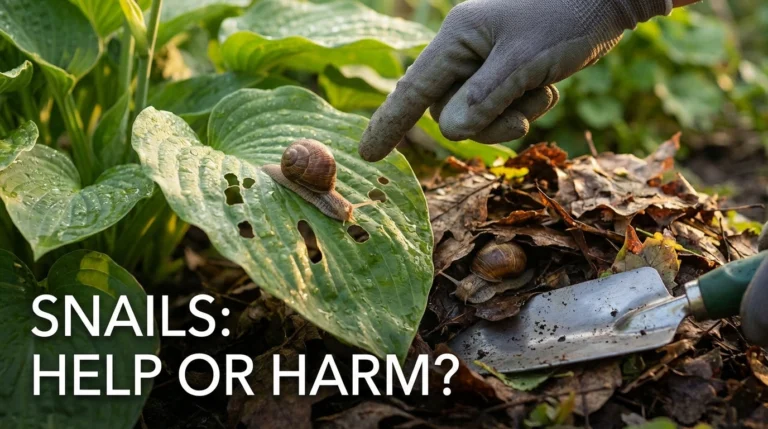
- Plant Damage: Snails primarily feed on tender leaves, which can lead to significant damage, especially in young plants.
- Spread of Disease: Snails can carry parasites and diseases that may affect plants and other garden fauna.
- Population Explosion: Under favorable conditions, snail populations can explode, leading to overwhelming numbers that can decimate garden plants.
- Competition for Resources: They may compete with other beneficial organisms for food and habitat, disrupting the balance in your garden ecosystem.
Identifying Snails in Your Garden
Before deciding how to manage snails, it’s important to identify them correctly. Here are some characteristics and signs of snail presence:
Physical Characteristics
- Shell Shape: Snail shells are typically spiral-shaped and vary in color from brown to grey.
- Body Structure: Garden snails have a soft, moist body that can be retracted into their shells.
- Size: They can range from a few millimeters to several centimeters in length.
Signs of Infestation
- Irregular Holes in Leaves: Look for distinctive holes or ragged edges on plant leaves.
- Slime Trails: Snails leave a trail of slime, which can often be seen on surfaces they have traversed.
- Presence of Shells: Finding empty shells can indicate past snail activity.
Managing Snail Populations
Finding a balance between allowing beneficial snails and controlling harmful ones is essential. Here are some effective strategies for managing snail populations in your garden.
Preventive Measures
- Maintain Healthy Soil: Healthy soil can support a diverse ecosystem that naturally keeps snail populations in check.
- Choose Resistant Plants: Opt for plants that snails are less likely to eat, such as lavender, sage, and rosemary.
- Water Wisely: Water your garden in the morning to reduce moisture levels at night when snails are most active.
Physical Barriers
- Salt Barriers: Creating salt barriers can deter snails, as they dislike crossing salt.
- Copper Tape: Placing copper tape around pots and garden beds can create a mild electric shock that deters snails.
- Crushed Eggshells: Spreading crushed eggshells around plants can create a rough surface that snails avoid.
Attracting Natural Predators
Encouraging natural predators can help control snail populations. Here are some effective methods:
- Introduce Birds: Install bird feeders and baths to attract birds, which love to snack on snails.
- Encourage Frogs and Toads: Create a small pond or damp areas in your garden to attract amphibians that will help control snail populations.
- Beneficial Insects: Ladybugs and certain beetles can help keep snail numbers down.
Natural Remedies for Snail Control
If you prefer not to use chemical pesticides, here are some natural remedies to help manage snails:
Homemade Traps
- Beer Traps: Bury a shallow dish in the ground filled with beer. Snails will be attracted to it and drown.
- Grapefruit Halves: Place grapefruit halves upside down in the garden. Snails will gather underneath, making it easy to collect and relocate them.
Natural Deterrents
- Caffeine Solution: A mixture of caffeine and water can be sprayed on plants as a deterrent, as caffeine is toxic to snails.
- Garlic Spray: A garlic-infused water spray can repel snails while being harmless to your plants.
Ideas for Snail Management
Incorporating snails into your garden management strategy can be both creative and effective. Here are some Pinterest-inspired ideas:
- Snail Hotels: Create a designated area with shallow dishes filled with moisture and organic debris to attract snails away from valuable plants.
- Artistic Barriers: Use decorative stones or wood chips to create visually appealing barriers against snails.
- Garden Companion Planting: Explore companion planting techniques that naturally deter snails, such as planting marigolds near vulnerable plants.
Expert Tips for Gardeners
Here are some insider tips to handle snails effectively:
- Monitor Regularly: Keep a close eye on your garden, especially during damp weather when snails are most active.
- Harvest at Night: Snails are nocturnal, so consider doing your garden checks at night to catch them in the act.
- Educate Yourself: Learning about the specific types of snails in your area can help you understand their habits and best control methods.
Common Questions About Snails in the Garden
Are all snails harmful to plants?
No, not all snails are harmful. Some species contribute positively to soil health, while others may damage plants. It’s essential to identify the types present in your garden.
How do I differentiate between beneficial and harmful snails?
Research local snail species to understand their diets and habits. Beneficial snails typically feed on decomposing material, while harmful ones prefer tender plant leaves.
What should I do if I find a large number of snails?
Assess your garden’s health and consider implementing management strategies, such as physical barriers or natural remedies, to control their population.
Can snails cause significant damage to a garden?
Yes, especially if their populations are allowed to grow uncontrolled. They can severely damage tender seedlings and young plants.
How can I attract more beneficial wildlife to my garden?
Creating a diverse habitat with water sources, native plants, and shelter can attract beneficial wildlife such as birds and frogs, which help control snail populations.
Conclusion
Understanding the dual nature of snails in your garden can empower you to make informed decisions about their management. By recognizing their benefits and drawbacks, you can create a balanced ecosystem that supports both your plants and the creatures within it. Embrace the challenge of snail management as an opportunity to enhance your gardening skills and cultivate a thriving environment.