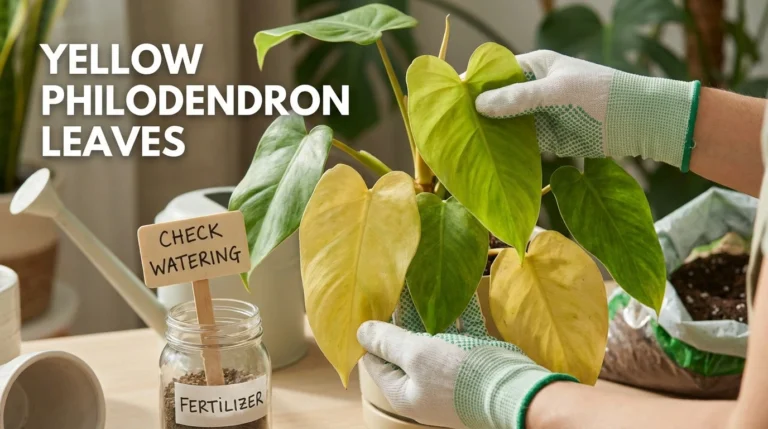
Philodendron plants are beloved for their lush foliage and vibrant appearance, making them a popular choice among indoor gardeners. However, if you’ve noticed your philodendron leaves turning yellow, it can be a cause for concern. Yellowing leaves can signal various issues that range from simple care mistakes to underlying health problems. Understanding the reasons behind this color change is essential for restoring your plant to its former glory. Here’s a comprehensive guide to help you identify the causes and offer effective solutions.
Quick Answer
If your philodendron leaves are turning yellow, it may be due to overwatering, underwatering, nutrient deficiencies, or pests. Assess your watering routine, check the soil, and examine for pests to determine the best fix.
Identifying the Causes of Yellowing Leaves
Before implementing fixes, it’s crucial to identify the root cause of the yellowing leaves. Let’s break down the common culprits:
1. Watering Issues
Watering is the most common reason behind yellowing leaves in philodendrons.
- Overwatering: Too much water can lead to root rot, where roots are deprived of oxygen and begin to decay. This condition often manifests as yellowing leaves, starting from the lower leaves.
- Underwatering: On the flip side, insufficient water can cause the plant to stress, leading to yellowing leaves as well. The leaves may also appear crispy and dry.
2. Nutrient Deficiencies
Lack of essential nutrients can adversely affect your philodendron’s health.
- Nitrogen Deficiency: Nitrogen is vital for leaf growth. A nitrogen deficit can lead to yellowing leaves, particularly older leaves.
- Iron Deficiency: This often results in yellowing between the veins of new leaves, leaving the veins themselves green.
3. Light Conditions
Philodendrons thrive in bright, indirect light. Here’s how improper lighting can affect them:
- Too Much Direct Sunlight: Exposure to direct sunlight can scorch the leaves, causing them to yellow and drop.
- Insufficient Light: Low light conditions can lead to weak growth and yellowing leaves as the plant struggles to photosynthesize.
4. Pests and Diseases
Insects and diseases can wreak havoc on your philodendron, leading to yellow leaves.
- Common Pests: Aphids, spider mites, and mealybugs suck the sap from the leaves, causing yellowing and wilting.
- Fungal Infections: Root rot and other fungal diseases can also cause yellowing leaves, particularly if the plant is overwatered.
5. Environmental Stress
Changes in the environment can stress your philodendron, leading to yellowing leaves.
- Temperature Fluctuations: Sudden changes in temperature or drafts can shock the plant.
- Humidity Levels: Philodendrons prefer higher humidity levels. Dry air can stress the plant, resulting in yellow leaves.
Step-by-Step Fixes for Yellowing Leaves
Now that we’ve identified potential causes, let’s explore actionable steps to fix the yellowing leaves of your philodendron.
1. Adjust Your Watering Routine
Finding the right watering balance is crucial.
- Check the soil moisture by sticking your finger about an inch deep. If it feels dry, it’s time to water.
- Ensure that your pot has proper drainage to prevent water from sitting at the bottom.
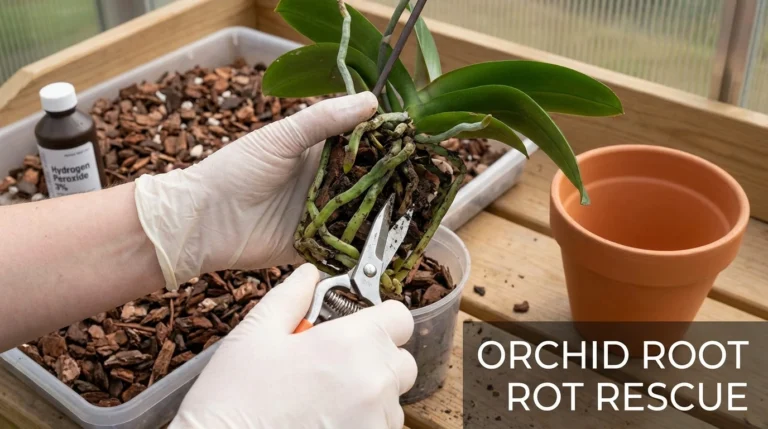
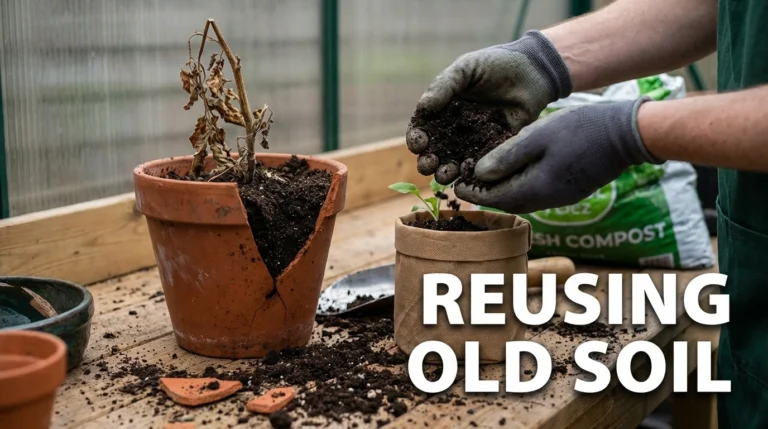
- If overwatering has occurred, allow the soil to dry out before watering again. You may need to repot the plant in fresh, dry soil if root rot is suspected.
2. Correct Nutrient Deficiencies
Addressing nutrient deficiencies can quickly improve your plant’s health.
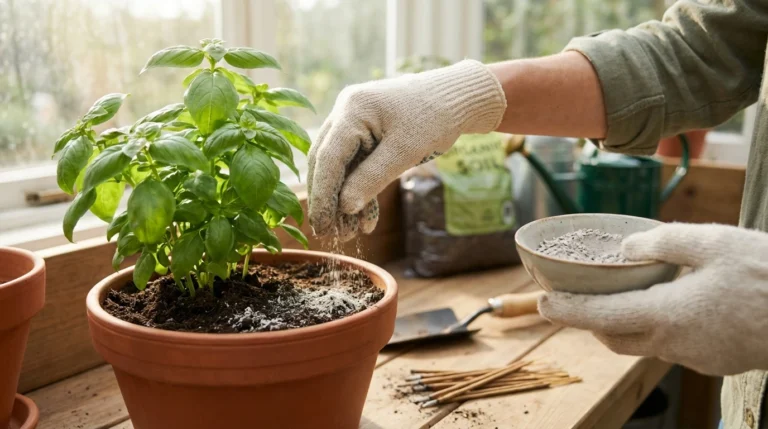
- Fertilize with a balanced, water-soluble fertilizer every 4-6 weeks during the growing season (spring and summer).
- If you suspect a specific deficiency, consider using a targeted fertilizer, such as a nitrogen-rich formula for yellowing due to nitrogen deficiency.
3. Optimize Light Conditions
Ensure your philodendron is in an ideal lighting situation.
- Place your plant in a location with bright, indirect sunlight for the best growth.
- If it’s receiving too much direct sunlight, move it to a spot where it only gets filtered light.
4. Manage Pests and Diseases
Taking swift action against pests is essential for restoring your plant’s health.
- Regularly inspect the leaves and stems for signs of pests. If you notice any, treat them with insecticidal soap or neem oil.
- For diseases, ensure proper airflow around the plant and avoid overwatering to reduce fungal issues.
5. Mitigate Environmental Stress
Creating a stable environment can help your philodendron thrive.
- Maintain consistent temperatures between 65°F and 80°F (18°C – 27°C) and avoid placing the plant in drafty areas.
- Increase humidity by misting the leaves, using a pebble tray, or placing a humidifier nearby.
Ideas for Reviving Your Philodendron
Here are some visually inspiring ideas to breathe life back into your philodendron:
- Use Decorative Pots: Choose pots with drainage holes and vibrant designs to enhance your plant’s aesthetic.
- Create a Plant Corner: Arrange multiple philodendrons with different types for a lush, tropical vibe.
- Incorporate Plant Stands: Elevate your plant for better light access and a stylish display.
- Pair with Other Plants: Combine with ferns or peace lilies to create a balanced indoor garden.
- Use Natural Light: Position your plant near a window with sheer curtains for optimal light without burning the leaves.
Expert Tips for Maintaining Healthy Philodendrons
Here are some insider tips to keep your philodendron thriving:
- Rotate your plant regularly to ensure all sides receive equal light, promoting even growth.
- Consider repotting every 1-2 years to refresh the soil and give the roots more space to grow.
- Monitor humidity levels with a hygrometer to ensure your plant is comfortable.
- Keep the leaves clean by wiping them with a damp cloth to remove dust, allowing for better photosynthesis.
Common Questions About Yellowing Philodendron Leaves
1. Can my philodendron recover from yellowing leaves?
Yes, with proper care and adjustments, most philodendrons can recover from yellowing leaves and return to full health.
2. How often should I water my philodendron?
Water your philodendron when the top inch of soil feels dry. The frequency will depend on your environment, usually every 1-2 weeks.
3. What type of fertilizer is best for philodendrons?
A balanced, water-soluble fertilizer with equal parts nitrogen, phosphorus, and potassium is ideal for philodendrons.
4. How can I tell if my philodendron is getting too much light?
Signs of too much light include scorched or brown leaf tips and faded leaf color. If you notice these, move the plant to a shadier location.
5. What should I do if I suspect root rot?
If you suspect root rot, remove the plant from its pot, trim away the affected roots, and repot it in fresh, dry soil.
Conclusion
Yellowing leaves on your philodendron can be alarming, but understanding the causes and implementing the right fixes can rejuvenate your plant. By adjusting your watering routine, addressing nutrient deficiencies, optimizing light conditions, managing pests, and creating a stable environment, you can ensure your philodendron remains healthy and vibrant. With a little care and attention, your plant can thrive, bringing beauty and life to your home.