Orchids are captivating plants that can transform any space with their stunning blooms. However, caring for them can sometimes feel like a puzzle, especially when it comes to understanding how to handle dead orchid stems. You might find yourself questioning whether to cut them off or leave them be. This dilemma can impact the health of your orchid and its future blooms. Let’s explore the best practices for maintaining your orchids, including when and how to cut off those dead stems for optimal growth.
Quick Answer
Yes, you should cut off dead orchid stems to promote healthy growth. Cutting them at the right time and in the right place can encourage new blooms and improve the overall health of the plant.
Understanding Orchid Growth
To effectively care for your orchids, it’s essential to understand their growth patterns. Orchids have a unique way of developing and blooming, which differs from many other houseplants. Here’s a closer look at their growth stages:
Life Cycle of Orchids
- Root Development: Healthy roots are crucial for nutrient uptake. Ensure your orchid is planted in a well-draining medium.
- Leaf Growth: Orchids grow new leaves during the growing season, which usually occurs in spring and summer.
- Flowering: After a period of growth, orchids produce flower spikes. The blooms can last for several weeks to months.
- Post-Bloom Care: After flowering, the plant may enter a rest period where it needs less water and nutrients.
Why Do Orchid Stems Die?
Understanding why orchid stems die can help you make informed decisions about their care. Here are some common reasons:
- Natural Lifecycle: Once an orchid has finished blooming, the flower spike may die back naturally.
- Insufficient Light: Orchids require adequate light to thrive. A lack of light can weaken stems and lead to their demise.
- Pest Infestation: Pests like aphids or spider mites can sap energy from the plant, affecting its overall health.
- Overwatering or Underwatering: Both extremes can stress the plant and lead to dead stems.
When to Cut Dead Orchid Stems
Timing is everything when it comes to cutting off dead orchid stems. Knowing when to make the cut can make all the difference in your plant’s health and future flowering potential.
Signs of a Dead Stem
Before making any cuts, look for these signs to determine if the stem is truly dead:
- Color Change: A dead stem often turns brown or yellow.
- Texture: If the stem feels dry and brittle, it’s likely dead.
- Softness: If the stem is mushy, it may indicate rot.
Timing for Cutting
The best time to cut dead orchid stems is:
- After the blooms have faded and the stem has turned brown.
- During the plant’s dormant period, which typically occurs in late fall or winter.
How to Cut Dead Orchid Stems
Now that you know when to cut, let’s go through the step-by-step process of cutting dead orchid stems properly.
Materials Needed
- Sharp scissors or pruning shears
- Isopropyl alcohol or disinfectant
- Gloves (optional)
Step-by-Step Guide
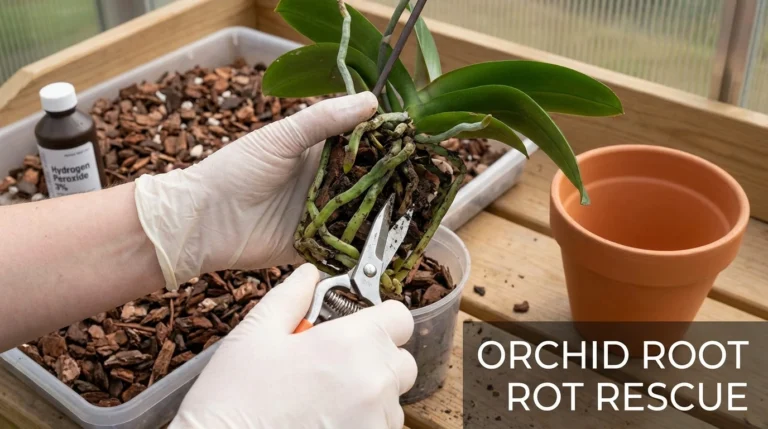
- Prepare Your Tools: Clean your scissors with isopropyl alcohol to prevent any potential infection.
- Identify the Right Spot: Look for the base of the dead stem. If it is brown and dry, you can cut it back to the base.
- Make the Cut: Use a clean, sharp cut to sever the stem. Cut just above a node if the stem is still green.
- Dispose of the Stem: Properly discard the dead stem to avoid any pests or diseases affecting your other plants.
- Monitor the Plant: After cutting, observe your orchid for any signs of stress or new growth.
Ideas for Orchid Care
Creating a visually appealing space with your orchids can be incredibly rewarding. Here are some inspiring ideas to showcase your orchids:
- Hanging Orchids: Use macramé hangers to display your orchids at varying heights for a stunning visual effect.
- Orchid Terrariums: Create a mini ecosystem with orchids and other plants in glass containers.
- Color Coordination: Group orchids by color to create a vibrant display on your windowsill or table.
- DIY Orchid Stand: Build a rustic wooden stand to elevate your orchids and create an eye-catching focal point.
Expert Tips for Orchid Care
Beyond cutting dead stems, here are some expert tips to enhance your orchid care routine:
Watering Wisely
Understanding your orchid’s watering needs is crucial. Overwatering can lead to root rot, while underwatering can stress the plant. Here’s how to get it right:
- Water when the top inch of the potting medium feels dry.
- Use room-temperature water and avoid letting water sit in the pot’s saucer.
Choosing the Right Potting Medium
The right potting mix can make all the difference in your orchid’s health:
- Use a mix specifically designed for orchids, typically consisting of bark, sphagnum moss, and perlite.
- Repot every 1-2 years to refresh the medium and check root health.
Fertilizing for Success
Feeding your orchids properly encourages healthy growth and vibrant blooms:
- Use a balanced orchid fertilizer every 2-4 weeks during the growing season.
- Reduce feeding during the dormant period to prevent nutrient buildup.
Common Questions (FAQ)
Can I cut the stem while it’s still green?
Yes, if the stem appears healthy but is not producing blooms, cutting just above a node can stimulate new growth.
What should I do if my orchid has multiple dead stems?
Assess each stem individually. Cut away any that are brown and dry, ensuring to care for the healthy parts of the plant.
How can I encourage my orchid to bloom again?
Ensure your orchid is getting adequate light, water, and nutrients. A proper rest period after blooming is also essential.
What if I see pests on my orchid?
Isolate the infected plant and treat with insecticidal soap or neem oil. Regularly check for signs of pests to prevent infestations.
How often should I repot my orchid?
Repot every 1-2 years, or when you notice the medium breaking down or the roots outgrowing the pot.
Conclusion
Caring for orchids can be a fulfilling hobby that rewards you with stunning blooms and lush greenery. By cutting off dead stems at the right time and following best practices for care, you can promote a healthy environment for your orchids to thrive. Embrace the beauty and elegance of orchids, and don’t hesitate to make those cuts when necessary. Your plants will thank you with vibrant flowers and healthy growth!