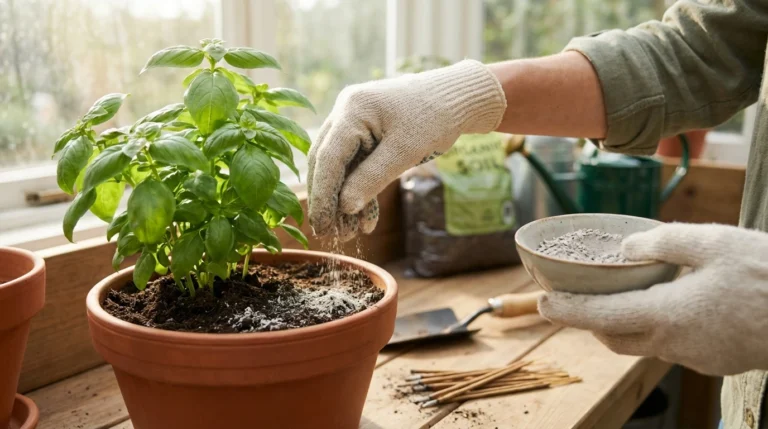
Jade plants are not just ordinary houseplants; they are symbols of good luck and prosperity in many cultures. With their thick, fleshy leaves and unique growth patterns, these succulents have captured the hearts of plant enthusiasts around the world. Whether you’re a seasoned gardener or a newbie, understanding the various types of jade plants can help you choose the perfect one for your home or garden. Let’s dive into the fascinating world of jade plants and explore 17 incredible varieties that are sure to inspire your green thumb!
Quick Answer
Jade plants, or Crassula ovata, come in various types, each boasting unique leaf shapes, colors, and growth habits. Some popular varieties include the classic ‘Gollum’, the variegated ‘Hobbit’, and the cascading ‘Rainbow’. These succulents are easy to care for and make beautiful additions to any indoor space.
Types of Jade Plants
Exploring the diverse types of jade plants can help you appreciate their beauty and versatility. Here’s a detailed breakdown of 17 amazing jade plant varieties:
1. Crassula Ovata (Classic Jade Plant)
This is the most common type of jade plant, recognized for its thick, oval-shaped leaves. It typically grows upright and can reach heights of up to 3 feet. The classic jade plant is loved for its resilience and ease of care, making it an ideal choice for beginners.
2. Crassula Ovata ‘Gollum’
Also known as the ‘Money Plant’, the ‘Gollum’ variety features tubular leaves that resemble the fingers of the character Gollum from “The Lord of the Rings.” This unique shape adds a touch of whimsy to any collection and thrives in similar conditions as the classic jade.
3. Crassula Ovata ‘Hobbit’
The ‘Hobbit’ jade plant has rounded, cupped leaves that curl slightly at the edges. This variety is compact and bushy, making it perfect for small spaces. It also produces beautiful clusters of pink flowers when properly cared for.
4. Crassula Ovata ‘Variegata’
The variegated version of the classic jade plant showcases creamy white and green leaves, adding a stunning contrast to your plant collection. This variety tends to be slower-growing but is highly sought after for its striking appearance.
5. Crassula ‘Bluebird’
‘Bluebird’ jade plants have a unique bluish-green hue that sets them apart from other varieties. Their thick, waxy leaves give them a sturdy appearance, and they can grow to be quite large, making them a focal point in any room.
6. Crassula Falcata (Propeller Plant)
Known as the propeller plant, Crassula falcata features flat, propeller-like leaves that grow in a rosette pattern. This succulent is drought-tolerant and thrives in bright sunlight, making it perfect for outdoor gardens or sunny windowsills.
7. Crassula Perfoliata (Rubble Plant)
This jade plant variety has thick, overlapping leaves that create a stunning display. Crassula perfoliata is known for its striking appearance and can produce vibrant red flowers, adding an extra layer of beauty to your space.
8. Crassula Muscosa (Watch Chain Plant)
The watch chain plant is a unique variety with tiny, chain-like leaves that form a cascading effect. This jade plant is perfect for hanging baskets or high shelves where its trailing nature can be showcased.
9. Crassula ‘Springtime’
‘Springtime’ jade plants are known for their bright green leaves with a hint of red at the edges. They are relatively small and compact, making them an excellent choice for tabletop displays or terrariums.
10. Crassula ‘Campfire’
This variety features vibrant orange and red leaves, giving it a fiery appearance. The ‘Campfire’ jade plant is particularly striking when placed in bright light, as its colors become more pronounced, making it a standout piece in any collection.
11. Crassula Ovata ‘Monstruosa’
This unique jade plant has irregularly shaped leaves that create a sculptural effect. The ‘Monstruosa’ variety is eye-catching and can grow quite large, making it an impressive addition to any space.
12. Crassula ‘Copper Spoon’
The ‘Copper Spoon’ jade plant features rounded, spoon-shaped leaves with a beautiful coppery hue. Its compact size and unique leaf shape make it a popular choice for succulent arrangements and indoor gardens.
13. Crassula ‘Angel Wings’
This variety boasts thick, paddle-shaped leaves that resemble angel wings. The soft, lush foliage adds a gentle touch to any collection, and it’s a great choice for beginners due to its low maintenance needs.
14. Crassula ‘Jade Necklace’
With its trailing stems and small, bead-like leaves, the ‘Jade Necklace’ is perfect for hanging arrangements. This variety thrives in bright, indirect light and adds a stunning visual element to any space.
15. Crassula ‘Red Pagoda’
This jade plant features a unique, pagoda-like structure with vibrant red and green leaves. It’s a visually striking succulent that can add an exotic touch to your home or garden.
16. Crassula ‘Crosby’s Prolific’
This variety is known for its beautiful, rounded leaves that grow densely on its branches. ‘Crosby’s Prolific’ is a hardy plant that can tolerate a range of conditions, making it a great choice for novice gardeners.
17. Crassula ‘Jade Plant Variegated’
This is another stunning variegated variety that features beautiful cream and green leaves. It is often sought after for its unique look and can be a wonderful addition to any succulent collection.
Ideas for Jade Plants
If you’re looking for creative ways to incorporate jade plants into your home décor, here are some inspiring ideas:
- Succulent Centerpiece: Create a stunning centerpiece using a variety of jade plants in different colors and shapes.
- Hanging Displays: Use hanging pots for trailing varieties like ‘Jade Necklace’ to add height and visual interest.
- Terrarium Gardens: Combine small jade plants with other succulents in a glass terrarium for a modern touch.
- Window Sill Collection: Arrange several jade plants on a windowsill for a vibrant and cheerful display.
- Outdoor Garden Borders: Use larger jade plants to create borders in your outdoor garden for a lush look.
Expert Tips for Growing Jade Plants
Caring for jade plants is generally straightforward, but here are some expert tips to ensure they thrive:
- Light Requirements: Jade plants prefer bright, indirect sunlight. Too much direct sunlight can scorch their leaves.
- Watering: Allow the soil to dry out completely between waterings to prevent root rot. During winter, reduce watering frequency.
- Soil: Use well-draining soil designed for succulents to promote healthy growth.
- Fertilizing: Feed jade plants with a balanced fertilizer during the growing season (spring and summer) for optimal growth.
- Pruning: Regularly prune to maintain shape and encourage bushy growth, especially for larger varieties.
Common Questions About Jade Plants
1. How often should I water my jade plant?
Water your jade plant every 2-3 weeks, allowing the soil to dry out completely in between. In winter, reduce watering to once a month.
2. Do jade plants need direct sunlight?
Jade plants thrive in bright, indirect sunlight. Too much direct sunlight can harm their leaves, while too little can stunt their growth.
3. Can jade plants grow outdoors?
Yes, jade plants can grow outdoors in warm, dry climates. Ensure they receive plenty of sunlight and protection from frost.
4. Why are the leaves on my jade plant falling off?
Leaf drop can be caused by overwatering, underwatering, or sudden temperature changes. Assess your care routine to identify the issue.
5. How can I propagate jade plants?
Propagate jade plants by taking leaf or stem cuttings and allowing them to dry for a few days. Then, plant them in well-draining soil and water lightly.
Conclusion
Jade plants are not only beautiful but also easy to care for, making them a fantastic addition to any home or garden. With a variety of types to choose from, you can find the perfect jade plant that suits your style and space. Whether you opt for the classic Crassula ovata or one of the more unique varieties, these succulents can bring life and luck to your surroundings. So go ahead, pick your favorite, and enjoy the journey of growing these amazing plants!