Soil acidity is a common issue that many gardeners and farmers encounter, but few truly understand why it happens. As plants grow, they not only absorb nutrients but also alter the soil composition around them. This can lead to an increase in acidity, which can significantly impact plant health. Have you ever wondered what causes soil to shift toward the acidic side? Let’s unravel the mystery of soil acidity, exploring its causes, effects, and how to manage it effectively to ensure your garden thrives.
What is Soil Acidity?
Before diving into the causes, it’s essential to understand what soil acidity means. Soil acidity is determined by the pH level of the soil, which ranges from 0 (very acidic) to 14 (very alkaline). A pH level of 7 is considered neutral. Soils with a pH below 7 are termed acidic, and those above 7 are alkaline. Acidic soils can lead to nutrient deficiencies and toxicities, affecting plant growth and crop yields.
Quick Answer
Soil becomes acidic due to various factors, including natural processes like rainfall and organic matter decomposition, as well as human activities such as fertilizer use and land management practices. Understanding these causes can help mitigate acidity and improve soil health.
Causes of Soil Acidity
Below are the primary reasons why soil can become acidic:
1. Natural Processes
- Rainfall: Regular rain can leach basic cations such as calcium, magnesium, and potassium from the soil, leading to increased acidity over time.
- Organic Matter Decomposition: As organic matter breaks down, it produces organic acids that contribute to soil acidity.
- Parent Material: Soils derived from parent materials such as granite tend to be more acidic compared to those from limestone or basalt.
2. Chemical Reactions
- Ion Exchange: When hydrogen ions replace basic cations in the soil, the pH level decreases, leading to acidity.
- Acid Rain: Pollution can lead to acid rain, which significantly lowers soil pH. This phenomenon is particularly concerning in industrial areas.
3. Nutrient Management
- Fertilizer Application: The use of ammonium-based fertilizers can increase soil acidity as they release hydrogen ions when they are converted to nitrate.
- Overuse of Organic Amendments: Regular application of certain organic materials, such as pine needles or sphagnum moss, can gradually acidify the soil.
4. Crop Production Practices
- Continuous Cropping: Growing the same crops repeatedly without rotation can lead to nutrient depletion, increasing acidity.
- Inadequate Liming: Failing to apply lime to counteract acidity can exacerbate the problem over time.
Effects of Soil Acidity on Plant Health
Understanding the implications of acidic soil is crucial for maintaining a healthy garden. Here are some effects of soil acidity:
1. Nutrient Availability
Acidic soils can limit the availability of essential nutrients such as nitrogen, phosphorus, and potassium. This can lead to stunted growth, yellowing leaves, and low crop yields.
2. Toxic Elements
High acidity can increase the solubility of toxic metals like aluminum and manganese, which can harm plant roots and decrease overall plant vigor.
3. Microbial Activity
Soil microorganisms play a critical role in nutrient cycling. Acidic conditions can inhibit the growth of beneficial microbes, disrupting the nutrient balance in the soil ecosystem.
Identifying Acidic Soil
Detecting soil acidity is essential for effective management. Here’s how you can identify whether your soil is acidic:
1. Soil pH Testing
The most accurate way to determine soil acidity is through pH testing. You can use:
- Home Test Kits: Easily available at garden centers, these kits provide a quick assessment.
- Laboratory Testing: Sending soil samples to a local agricultural extension office or laboratory can give you a precise pH reading and recommendations.
2. Visual Indicators
While not as reliable, certain visual signs can indicate soil acidity:
- Poor Plant Growth: Stunted or unhealthy plants may signal nutrient deficiencies due to acidity.
- Presence of Certain Weeds: Weeds like sorrel and certain types of moss thrive in acidic conditions.
Managing Soil Acidity
Now that you understand why soil becomes acidic and its effects, let’s look at how to manage and amend acidic soils effectively:
1. Liming
One of the most common methods to neutralize soil acidity is by applying lime. Here’s how to do it:
- Choose the Right Type of Lime: Agricultural lime (calcium carbonate) is the most common, while dolomitic lime (which contains magnesium) may be more beneficial for specific soils.
- Application Rate: The amount of lime needed depends on the soil’s current pH and the target pH. Soil tests can guide you in determining the appropriate amount.
- Timing: Apply lime in the fall or early spring before planting to allow it to react with the soil.
2. Amending Organic Matter
Incorporating organic matter can help buffer soil acidity:
- Compost: Adding well-composted organic matter can improve soil structure and nutrient content.
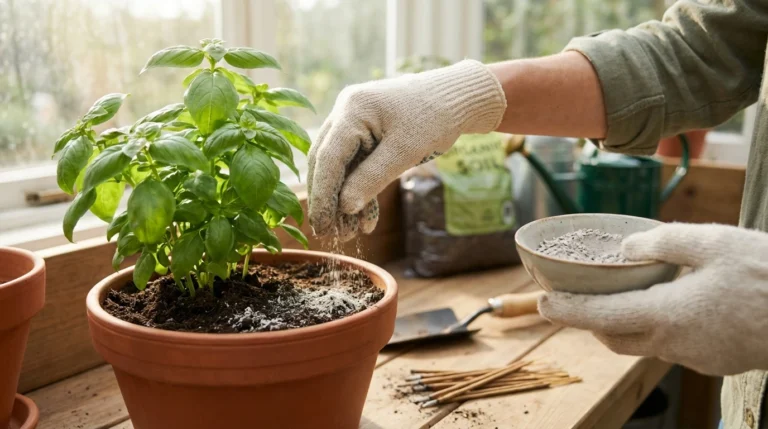
- Wood Ash: This can also help raise soil pH, but use it sparingly as it can alter nutrient balance.
3. Crop Rotation and Diversity
Implementing a diverse crop rotation can prevent nutrient depletion. Follow these tips:
- Rotate Crops: Change the types of crops grown each year to prevent soil nutrient exhaustion.
- Include Legumes: They can fix nitrogen in the soil, helping to improve overall soil health.
4. Careful Fertilizer Use
Be mindful of the fertilizers you choose:
- Avoid Excessive Ammonium Fertilizers: Opt for slow-release or nitrate-based fertilizers when possible.
- Conduct Soil Tests: Regularly test soil to understand nutrient needs and avoid over-fertilization.
Ideas for Managing Soil Acidity
Here are some unique and visually inspiring ideas for managing soil acidity in your garden:
- Create a Soil Health Journal: Document pH levels, amendments, and plant health to track progress.
- Visual Liming Map: Use colored markers to indicate areas that need lime application.
- DIY Compost Bin: Build an aesthetically pleasing compost bin to enrich soil with organic matter.
- Interplanting Techniques: Experiment with companion planting to enhance soil nutrient diversity.
Expert Tips for Managing Soil Acidity
Here are some lesser-known tips to help you manage soil acidity effectively:
- Use Soil Amendments Wisely: Consider using sulfur to lower pH further if needed, but apply it carefully to avoid drastic changes.
- Monitor Soil Moisture: Acidic soils tend to retain moisture. Ensure proper drainage to prevent waterlogging.
- Mulch with Care: Use organic mulch to suppress weeds while slowly adding organic matter to the soil.
Common Questions About Soil Acidity
1. What pH level is considered acidic for soil?
A soil pH below 7 is considered acidic, with values closer to 0 indicating stronger acidity.
2. How often should I test my soil for pH?
Testing every 1-3 years is recommended, particularly if you notice changes in plant health or after significant amendments.
3. Can I use coffee grounds to lower soil pH?
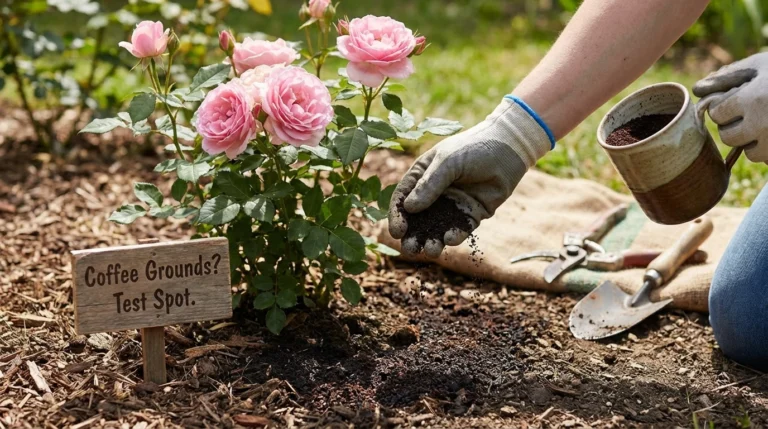
Yes, coffee grounds are slightly acidic and can contribute to lowering soil pH when used in moderation.
4. What plants thrive in acidic soil?
Plants like blueberries, azaleas, and rhododendrons prefer acidic conditions and can thrive in such environments.
5. Is it possible to change soil acidity quickly?
While you can make adjustments, significant changes in soil pH typically take time, especially if you’re using lime to raise pH levels.
Conclusion
Understanding the reasons behind soil acidity and its management is crucial for any gardener or farmer looking to cultivate healthy, productive plants. By addressing the causes and implementing effective solutions, you can restore balance to your soil. Remember, healthy soil leads to thriving plants, so take the time to assess and amend your garden’s soil conditions. Happy gardening!