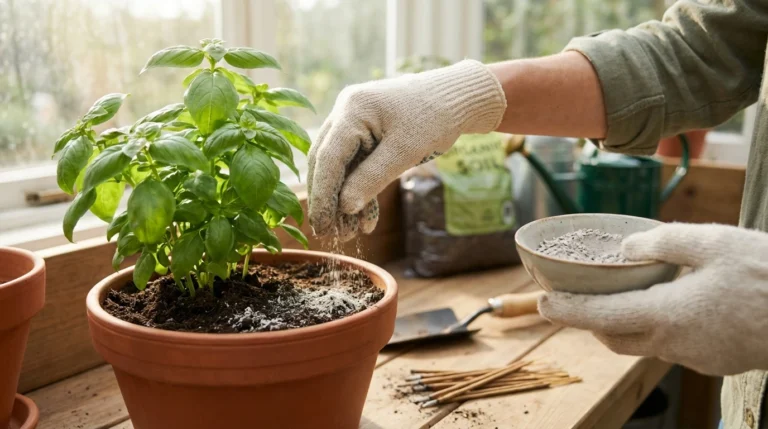
Worm castings are often touted as a gardener’s best friend, packed with nutrients and beneficial microbes that can enhance soil health. However, while they have their perks, there are notable disadvantages to consider before you dive into using them extensively in your yard. Understanding these drawbacks can help you make informed decisions about your gardening practices. Let’s explore five key disadvantages of worm castings that every gardener should know.
Quick Answer
Worm castings can be beneficial, but they also come with disadvantages such as high costs, potential for nutrient imbalance, limited availability, the risk of over-application, and a slower nutrient release compared to synthetic fertilizers.
1. High Costs of Obtaining Worm Castings
One of the first hurdles many gardeners face when considering worm castings is the cost. Here are some points to ponder:
- Pricey Purchase: Commercial worm castings can be quite expensive, especially if you’re looking to cover large areas in your yard.
- DIY Challenges: While creating your own worm castings can save money, it requires an upfront investment in a worm bin and the worms themselves.
- Time Investment: Cultivating worms and producing castings takes time, which might not be feasible for everyone.
For many, the high cost can lead to hesitation in using worm castings, particularly in larger gardens where the expense can quickly add up.
2. Potential for Nutrient Imbalance
Worm castings are nutrient-rich, but this can sometimes lead to imbalances in your garden soil. Consider these factors:
Not a Complete Fertilizer
Worm castings are rich in organic matter and provide essential nutrients, but they may not cover all nutrient needs:
- Limited Nutrient Range: They typically contain lower levels of nitrogen, phosphorus, and potassium compared to conventional fertilizers.
- Microbial Overload: Excess beneficial microbes can sometimes outcompete plants for nutrients.
Signs of Imbalance
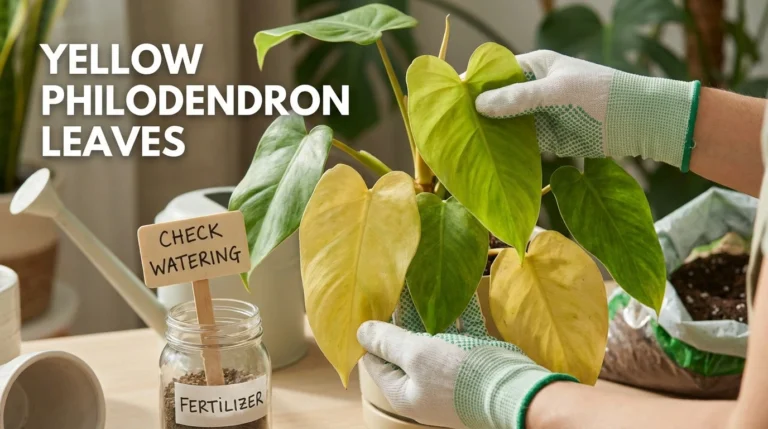
Be on the lookout for signs of nutrient imbalances, such as yellowing leaves or poor growth, which may indicate that worm castings alone aren’t meeting your plants’ needs.
3. Limited Availability and Consistency
Accessing quality worm castings can be a challenge. Here’s what to keep in mind:
Supply Issues
Finding a reliable source of worm castings can be difficult:
- Local Availability: Not all gardening stores carry worm castings, and sourcing them online can lead to shipping costs and delays.
- Quality Control: The quality of worm castings can vary widely between suppliers, impacting their effectiveness.
Consistency Challenges
Even when you find a source, the nutrient content can fluctuate, making it hard to know how much to apply to achieve desired results.
4. Risk of Over-Application
Using worm castings too liberally can lead to problems in your garden. Here’s how:
Understanding Application Rates
Determining the right amount of worm castings can be tricky:
- Too Much of a Good Thing: Over-application can lead to nutrient burn, similar to synthetic fertilizers.
- Soil Structure Issues: Excessive organic matter can alter soil structure negatively, leading to drainage problems.
Best Practices for Application
Always follow recommended guidelines for application rates, and consider testing your soil before adding worm castings to ensure you’re not overdoing it.
5. Slower Nutrient Release Compared to Synthetic Fertilizers
While worm castings improve soil health over time, they may not provide the immediate nutrient boost that some plants need. Here’s why:
Gradual Nutrient Release
The organic matter in worm castings breaks down slowly, which might not align with the rapid growth phases of certain plants:
- Delayed Impact: Unlike synthetic fertilizers that release nutrients quickly, worm castings require time to become available to plants.
- Long-Term Investment: For instant gratification, relying solely on worm castings may not be practical for all gardeners.
Optimal Use Cases
Consider using worm castings in conjunction with other fertilizers for a balanced approach, ensuring your plants receive the nutrients they need when they need them.
Expert Tips for Using Worm Castings Wisely
Here are some insider tips to maximize the benefits of worm castings while mitigating their disadvantages:
- Mix Wisely: Combine worm castings with other organic amendments like compost or mulch to enhance nutrient diversity.
- Test Your Soil: Regularly test your soil to understand its nutrient profile, which helps in making informed decisions about fertilizer use.
- Start Small: If you’re new to using worm castings, start with small amounts to gauge their effect on your plants.
- Monitor Plant Health: Keep an eye on your plants’ growth and adjust your application rates as needed.
Common Questions (FAQ)
Can I use worm castings for all types of plants?
While worm castings are great for most plants, some may require additional nutrients that castings alone do not provide. Always consider the specific needs of your plants.
How often should I apply worm castings?
Applying worm castings once every season is generally sufficient, but you can add them more frequently for heavy feeders or during active growth periods.
Is there a risk of pests with worm castings?
Worm castings are typically pest-free, but ensure they are sourced from a reputable supplier to minimize any risk of contamination.
Are worm castings safe for vegetable gardens?
Yes, worm castings are safe for vegetable gardens and are often recommended for growing healthy, organic produce.
What is the best way to store worm castings?
Store worm castings in a cool, dry place in a breathable container to prevent moisture buildup, which can lead to mold.
Conclusion
While worm castings can be a fantastic addition to your gardening toolkit, it’s essential to acknowledge their disadvantages. By understanding these drawbacks, you can make smarter choices for your yard, ensuring a healthy and thriving garden. Remember, balance is key, so consider integrating worm castings with other fertilizers and practices to achieve the best results. Happy gardening!