Worm castings are often hailed as a gardener’s gold, and for good reason! These nutrient-rich, organic fertilizers can transform your vegetable garden into a lush, productive paradise. If you’re looking to enhance the health of your soil and boost your vegetable yields, incorporating worm castings is a game-changer. But how do you use them effectively? From application methods to tips for maximizing their benefits, let’s delve into the world of worm castings and unlock their potential for your garden.
What are Worm Castings?
Worm castings are the excrement of earthworms, rich in essential nutrients and beneficial microorganisms. They are a natural fertilizer that not only nourishes plants but also improves soil structure. When added to your vegetable garden, worm castings promote healthy root systems and enhance nutrient uptake, leading to more vibrant and productive plants.
Quick Answer
To use worm castings in a vegetable garden, mix them into the soil before planting, top-dress established plants, or make a nutrient-rich compost tea. Aim for about 10-20% worm castings in your planting mix for optimal benefits.
Why Use Worm Castings in Your Vegetable Garden?
Utilizing worm castings in your vegetable garden offers a multitude of benefits:
- Nutrient-Rich: Packed with nitrogen, phosphorus, potassium, calcium, and magnesium, worm castings provide essential nutrients for plant growth.
- Soil Structure Improvement: They enhance soil aeration and water retention, creating an ideal environment for root development.
- Microbial Activity: The beneficial microbes in worm castings help suppress diseases and promote healthy plant growth.
- pH Neutral: Worm castings are pH neutral, making them suitable for a wide variety of plants.
How to Incorporate Worm Castings into Your Vegetable Garden
1. Preparing Your Garden Soil
Before planting your vegetables, it’s crucial to prepare your garden soil properly. Here’s how to incorporate worm castings effectively:
- Test Your Soil: Start by testing your garden soil’s pH and nutrient levels. This will help you determine how much worm castings you need.
- Mix with Existing Soil: When preparing your garden bed, mix in 10-20% worm castings with your existing soil. This ratio ensures that your plants receive ample nutrients without overwhelming them.
- Add Other Amendments: Combine worm castings with other organic materials such as compost, peat moss, or coconut coir for improved soil structure.
2. Top-Dressing Established Plants
For established vegetable plants, top-dressing with worm castings can provide a nutrient boost throughout the growing season:
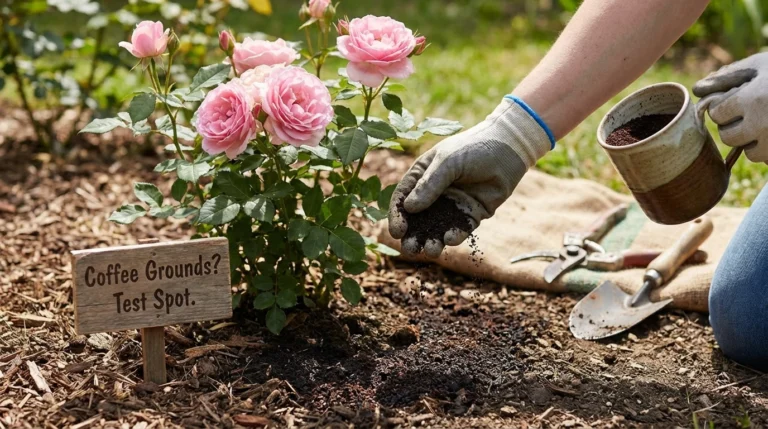
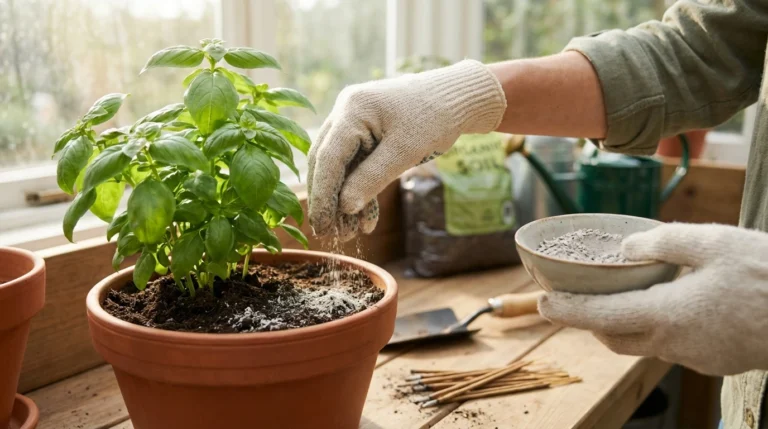
- Spread Evenly: Gently spread a layer of worm castings around the base of your plants, avoiding direct contact with the stems to prevent rot.
- Water In: After applying the castings, water the area lightly to help the nutrients seep into the soil.
- Repeat Every Few Weeks: For optimal growth, consider reapplying worm castings every 4-6 weeks during the growing season.
3. Making Worm Casting Compost Tea
Another effective way to utilize worm castings is by brewing compost tea. This nutrient-rich liquid can be used as a foliar spray or soil drench:
- Gather Materials: You will need worm castings, water, and an aeration device (like an aquarium pump) for brewing.
- Mix Ingredients: Combine 1 cup of worm castings with 5 gallons of water in a bucket. Add the aeration device to keep the mixture oxygenated.
- Brew for 24-48 Hours: Let the mixture brew for a day or two, stirring occasionally.
- Strain and Use: After brewing, strain out the solid castings and use the liquid as a foliar spray or water your plants directly.
Best Practices for Using Worm Castings
1. Timing is Key
Using worm castings at the right time is essential for maximizing their benefits:
- Pre-Planting: Incorporate worm castings into the soil before planting to give seedlings a robust start.
- Growing Season: Apply worm castings as a top dressing every few weeks to support plants during their active growth phase.
2. Avoid Over-Application
While worm castings are safe and gentle, over-applying can lead to nutrient imbalances. Stick to recommended amounts, and always test your soil beforehand.
3. Pair with Other Organic Amendments
Worm castings work best when combined with other organic fertilizers such as compost, bone meal, or fish emulsion. This combination ensures a balanced nutrient supply for your plants.
Ideas for Using Worm Castings
1. Worm Casting Seed Starting Mix
Create a seed starting mix by combining equal parts worm castings, peat, and perlite for a nutrient-rich, well-draining medium.
2. Fertilizing Container Gardens
Mix worm castings into container soil for lush, healthy vegetables in pots. It helps retain moisture and nutrients in limited space.
3. Enhancing Raised Beds
Incorporate worm castings into raised beds during initial construction for a rich soil foundation that benefits every plant.
4. Boosting Flowering Vegetables
Use worm castings on flowering vegetables like tomatoes and peppers to promote fruit set and enhance flavor.
5. DIY Worm Casting Fertilizer Sticks
Mix worm castings with water and mold into sticks. Let them dry and use them as slow-release fertilizers by burying them near plant roots.
Expert Tips for Maximizing Worm Castings
1. Store Properly
Keep worm castings in a cool, dry place to maintain their potency. Avoid exposure to excessive moisture or heat, which can degrade their quality.
2. Introduce More Worms
If you have space, consider starting a worm bin at home. Redworms will produce more castings, giving you a continuous supply for your garden.
3. Monitor Plant Health
Pay attention to your plants’ growth. If they show signs of nutrient deficiency, adjust your worm casting application accordingly.
Common Questions (FAQ)
1. How often should I use worm castings in my vegetable garden?
Apply worm castings every 4-6 weeks for established plants and mix them into the soil before planting new seeds or seedlings.
2. Can I use worm castings for all types of vegetables?
Yes, worm castings are suitable for all types of vegetables and can enhance the growth of both leafy greens and fruiting plants.
3. Are there any risks associated with using worm castings?
Worm castings are generally safe and non-toxic. However, over-application can lead to nutrient imbalances, so stick to recommended amounts.
4. How do I make my own worm castings?
Start a worm composting bin with red wigglers. Feed them kitchen scraps and yard waste, and they will produce castings over time.
5. Can I mix worm castings with chemical fertilizers?
While it’s possible, it’s best to use organic fertilizers like worm castings alone or in combination with other organic amendments for optimal soil health.
Conclusion
Incorporating worm castings into your vegetable garden is a simple yet effective way to boost soil health and enhance plant growth. By understanding how to use them properly, you can create a thriving garden that produces delicious, nutritious vegetables. Remember to mix them into your soil, top-dress your plants, and consider brewing compost tea for an extra nutrient boost. Happy gardening!