Struggling to achieve that lush, green lawn you’ve always dreamed of? If your grass is looking a bit lackluster or yellowing, iron could be the missing ingredient. Many homeowners overlook this essential nutrient, but applying iron to your lawn can significantly enhance its color and health. Knowing when and how to apply iron is crucial to unlocking its full potential, ensuring your garden looks vibrant throughout the seasons.
Quick Answer
Apply iron to your lawn during the growing season, typically in spring and early fall. The best time is when grass is actively growing, and soil temperatures are above 50°F. Use chelated iron products for optimal absorption and results.
Understanding the Role of Iron in Lawn Health
Iron plays a vital role in the overall health of your lawn. It is essential for chlorophyll production, which is responsible for the green color in plants. Without sufficient iron, grass can become pale or yellow, a condition known as chlorosis. Here’s a deeper look at why iron is beneficial:
- Promotes Deep Green Color: Iron is crucial for producing chlorophyll, the pigment that gives grass its vibrant green color.
- Enhances Photosynthesis: Healthy levels of iron help in photosynthesis, allowing grass to convert sunlight into energy more efficiently.
- Improves Disease Resistance: A healthy lawn is less susceptible to diseases, pests, and environmental stressors.
When to Apply Iron to Your Lawn
Timing is everything when it comes to applying iron. Here are the ideal timings to ensure your lawn reaps the full benefits:
Spring Application
Spring is one of the best times to apply iron. As temperatures rise and grass begins to grow actively, iron can help boost its color and vigor. Here’s how to go about it:
- Wait until the soil temperature reaches about 50°F.
- Apply chelated iron products, as they are more readily absorbed by grass.
- Follow up with regular watering to help the iron penetrate the soil.
Fall Application
Applying iron in the early fall can help your lawn prepare for the winter months. This timing reinforces the grass before it goes dormant. Consider these tips:
- Time the application about 4-6 weeks before the first expected frost.
- Ensure the grass is still actively growing for optimal absorption.
- Use a combination of iron and nitrogen to promote healthy root growth.
Avoiding Summer and Winter Applications
While it may be tempting to apply iron during the summer, it’s typically not recommended. Here’s why:
- High temperatures can stress grass, making it less effective at absorbing iron.
- Winter applications are also discouraged as the grass is dormant and will not utilize the iron effectively.
Types of Iron Products
Choosing the right type of iron product is essential for achieving the desired results. Here are the most common options:
Chelated Iron
Chelated iron is the most effective form as it binds with organic compounds, allowing for better absorption by grass roots. Look for products labeled as “chelated” for best results.
Iron Sulfate
This form of iron is less stable than chelated iron but can be effective in certain soil conditions. It may lower soil pH, which can be beneficial for acid-loving plants.
Liquid Iron Fertilizers
Liquid iron fertilizers can be applied directly to the grass and are absorbed quickly. They are often used for quick fixes when lawns are showing signs of iron deficiency.
How to Apply Iron to Your Lawn
Applying iron correctly ensures that your lawn gets the maximum benefit. Here’s a step-by-step guide to help you:
Step 1: Test Your Soil
Before applying iron, it’s wise to test your soil. This can help determine if iron deficiency is the issue or if other factors are at play. Soil tests can be conducted through local extension services or DIY kits available at garden centers.
Step 2: Choose the Right Product
Based on your soil test results, select the appropriate iron product. If your soil is alkaline, chelated iron is usually the best choice. If it’s acidic, iron sulfate can be effective.
Step 3: Measure and Calculate
Consult the product label for the recommended application rates. Measure your lawn area to determine how much product you need to cover the entire space evenly.
Step 4: Apply Evenly
Use a spreader for granular products or a sprayer for liquid products. Even application is critical to avoid patches of discoloration. Make sure to follow the manufacturer’s instructions for the best results.
Step 5: Water After Application
Water the lawn lightly after applying iron. This helps the product penetrate the soil and reach the roots effectively, enhancing absorption.
Expert Tips for Maximum Effectiveness
To truly maximize the benefits of iron for your lawn, consider these expert tips:
- Monitor Soil pH: Ideal soil pH for grass is between 6.0 and 7.0. If the pH is too high, grass may not absorb iron effectively.
- Avoid Over-application: Too much iron can lead to toxicity, harming your lawn rather than helping it.
- Observe Weather Conditions: Apply iron when rain is expected, but avoid application before heavy downpours, which can wash away the product.
- Use Quality Products: Invest in high-quality iron products for better results. Cheap alternatives may not be as effective.
Common Questions About Applying Iron
1. How often should I apply iron to my lawn?
Typically, iron can be applied every 6-8 weeks during the growing season, but always refer to the specific product instructions for best results.
2. Can I apply iron with other fertilizers?
Yes, you can apply iron with nitrogen fertilizers, but be cautious about the timing and amounts to avoid over-fertilizing.
3. What are the signs of iron deficiency in grass?
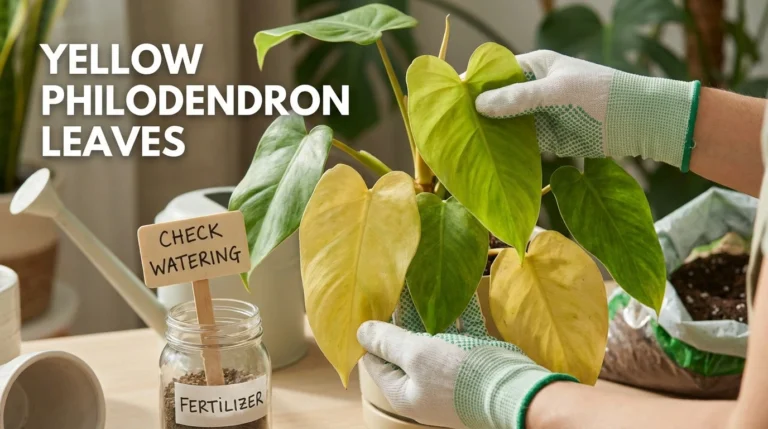
Common signs include yellowing leaves, particularly in older grass blades, while veins remain green. This condition is known as interveinal chlorosis.
4. Is it safe to apply iron around children and pets?
Most iron fertilizers are safe when used as directed. However, it’s always best to keep children and pets off treated areas until the product has been absorbed into the soil.
5. Can I use iron on all types of grass?
Yes, iron can benefit most grass types, including Kentucky bluegrass, fescue, and Bermuda grass. Always check specific recommendations for your grass type.
Conclusion
Applying iron at the right time and in the right way can transform your lawn from dull to dazzling. With the right knowledge and products, you can ensure your grass remains healthy and vibrant throughout the growing season. By incorporating iron into your lawn care routine, you’re not just enhancing its appearance; you’re also promoting a robust ecosystem in your yard. Happy gardening!