Are you looking to achieve a lush, green lawn or vibrant garden beds? Understanding when to use Milorganite can be your secret weapon in creating a thriving landscape. This organic fertilizer, made from treated wastewater, is packed with essential nutrients that promote healthy plant growth. But timing is everything! Knowing the right moments to apply Milorganite can maximize its benefits and help you avoid common gardening pitfalls. Let’s dive into the complete guide on when to use Milorganite for the best results.
Quick Answer
Milorganite is best used during the growing season, typically spring through early fall, to nourish your lawn and garden. Apply it every 6-8 weeks for optimal results, ensuring that you follow the specific needs of your plants and local climate conditions.
Understanding Milorganite
Before we explore the timing for using Milorganite, it’s important to understand what it is and how it works. Milorganite is a slow-release organic nitrogen fertilizer that also contains phosphorus and potassium. It’s derived from the treatment of municipal wastewater, making it an eco-friendly option for gardeners.
Benefits of Milorganite
- Slow Release: Provides steady nutrients over time, reducing the risk of fertilizer burn.
- Micro Nutrients: Contains essential micronutrients that support overall plant health.
- Soil Health: Improves soil structure and enhances moisture retention.
- Environmentally Friendly: Utilizes recycled materials, promoting sustainable gardening practices.
When to Use Milorganite
Timing is crucial when using Milorganite to ensure your plants receive the nutrients they need at the right moment. Here’s a breakdown based on different gardening scenarios:
Spring Application
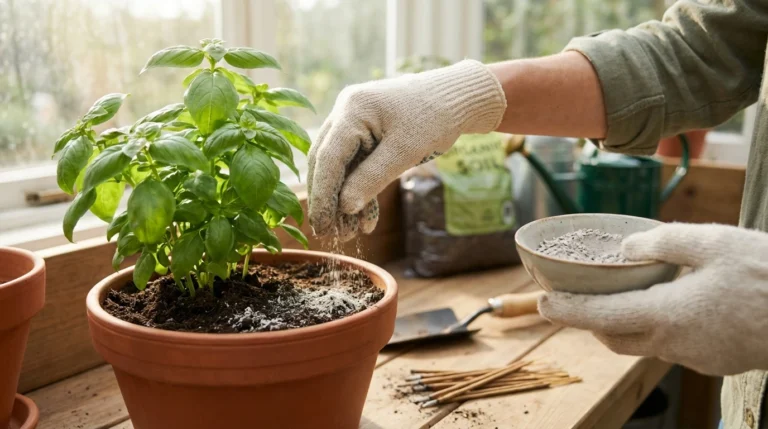
Spring is the optimal time for applying Milorganite as your plants emerge from dormancy and begin their growth cycle. Here’s how to do it:
- Timing: Apply Milorganite once the soil temperature reaches about 55°F (13°C). This usually occurs in early to mid-spring, depending on your location.
- Frequency: For lawns, apply every 6-8 weeks throughout the growing season. For gardens, consider a similar schedule or adjust based on plant needs.
Summer Application
In the summer months, plants are actively growing and may benefit from additional nutrients. Here’s what to consider:
- Watering: Ensure your plants receive adequate water after applying Milorganite, as this helps the nutrients penetrate the soil.
- Monitor Growth: If you notice signs of nutrient deficiency (yellowing leaves, stunted growth), consider a summer application.
Fall Application
As temperatures begin to cool, applying Milorganite in the fall can help prepare your lawn and garden for winter. Follow these tips:
- Timing: Apply in early to mid-fall, before the first frost. This helps strengthen roots and improve soil health.
- Last Feeding: This can be your last feeding before winter, ensuring that nutrients are available for plants during dormancy.
Special Considerations for Different Plants
Different plants have varying nutrient requirements. Here’s how to tailor your Milorganite use for specific situations:
Lawns
- Apply Milorganite evenly across your lawn, ensuring coverage without over-applying.
- Use a spreader for even distribution, and avoid applying before heavy rain to prevent runoff.
Flower Gardens
- For perennial flowers, apply in early spring and then again in mid-summer to support blooming.
- Annual flowers may require more frequent applications every 4-6 weeks during the growing season.
Vegetable Gardens
- In vegetable gardens, apply Milorganite before planting to enrich the soil. Side-dress during the growing season as needed.
- Monitor plants for signs of nutrient deficiency to determine if additional applications are necessary.
Expert Tips for Using Milorganite
Want to get the most out of your Milorganite use? Here are some insider tips:
- Test Your Soil: Conduct a soil test to determine nutrient needs before applying Milorganite.
- Watch the Weather: Apply Milorganite on dry days, and avoid heavy rain to prevent nutrient runoff.
- Combine with Other Practices: Pair Milorganite application with mulching and watering for better results.
Common Questions About Milorganite
1. Is Milorganite safe for pets and children?
Yes, Milorganite is safe when used as directed. However, it’s always good practice to keep pets and children away from freshly treated areas until they are dry.
2. Can I use Milorganite on all types of plants?
While Milorganite is beneficial for most plants, always check specific plant requirements, especially for sensitive species.
3. How often should I apply Milorganite?
Typically, every 6-8 weeks during the growing season is ideal. Adjust based on the specific needs of your plants.
4. Does Milorganite have an odor?
Milorganite may have a mild, earthy smell, especially when first applied. However, this odor dissipates quickly after application.
5. Can I use Milorganite in the winter?
It’s best to avoid applying Milorganite in winter, as plants are dormant and won’t benefit from nutrients at this time.
Conclusion
Using Milorganite effectively can transform your gardening experience, leading to lush lawns and vibrant plants. By understanding the best times to apply this organic fertilizer and tailoring your approach to specific plants, you can maximize its benefits. Remember to monitor your plants’ health and adjust your application as needed. Happy gardening!