Imagine waking up to the sound of birds chirping, sipping your morning coffee while surrounded by the beauty of nature, and knowing that your home is entirely self-sufficient. Transforming your house into a tiny, profitable off-the-grid homestead is not just a dream; it’s a journey that many are embarking on. Whether you want to reduce your carbon footprint, save money, or simply embrace a more sustainable lifestyle, this guide will walk you through the essential steps to create a thriving homestead that can even generate income.
Quick Answer
To transform your house into a profitable off-the-grid homestead, focus on renewable energy sources, sustainable gardening, water conservation, and smart financial planning. Incorporate solar panels, grow your own food, implement rainwater harvesting, and explore passive income opportunities like selling produce or crafts.
Understanding Off-The-Grid Living
Off-the-grid living means being independent from public utilities, relying on your own resources to meet your needs. This lifestyle is not only eco-friendly but can also be financially rewarding. Before diving into the transformation, understanding the core components of off-the-grid living is essential.
Key Components of Off-The-Grid Living
- Energy Independence: Utilize renewable energy sources like solar, wind, or hydroelectric power.
- Sustainable Agriculture: Grow your own food through gardening or permaculture techniques.
- Water Management: Implement systems for rainwater harvesting and efficient water use.
- Waste Reduction: Practice composting and recycling to minimize waste.
Step 1: Assessing Your Property
Before making any changes, evaluate your current property. Consider factors such as sunlight exposure, land size, and existing resources.
Sunlight and Location
Understanding how sunlight hits your property is crucial for energy generation and gardening. Take note of:
- Areas that receive the most sunlight for solar panels and gardening.
- Shady areas that may be less suitable for crops but could be great for cooling your home.
Soil Quality and Land Size
Conduct a soil test to determine its pH and nutrient levels. This will help you decide what crops you can grow effectively. Additionally, assess the size of your land:
- Small plots can still yield a variety of fruits and vegetables.
- Consider vertical gardening or container gardening if space is limited.
Step 2: Implementing Renewable Energy Sources
Energy independence is a cornerstone of off-the-grid living. Here are some popular renewable energy options:
Solar Power
Solar panels are the most common choice for off-the-grid homes. Here’s how to get started:
- Evaluate Your Energy Needs: Calculate how much energy your household consumes.
- Choose the Right System: Options include grid-tied, off-grid, and hybrid systems.
- Installation: Hiring a professional can ensure your system is set up efficiently.
Wind Energy
If you live in a windy area, consider installing a wind turbine. This can supplement your power supply, especially during cloudy days.
Hydro Power
If you have access to a water source, a micro-hydro generator can be an excellent option for continuous energy supply.
Step 3: Water Conservation and Management
Water is a precious resource. Implementing a water management system can significantly enhance your homestead’s sustainability.
Rainwater Harvesting
Collecting rainwater is a straightforward way to supply water for irrigation and even household use. Here’s how:
- Install Gutters: Ensure your roof is equipped with gutters that lead to a storage tank.
- Choose the Right Tank: A tank should be large enough to store water during dry spells.
- Filtration: Include a filtration system if you plan to use it for drinking water.
Greywater Systems
Consider reusing water from sinks, showers, and washing machines to irrigate gardens. A simple greywater system can redirect this water safely.
Step 4: Sustainable Gardening Practices
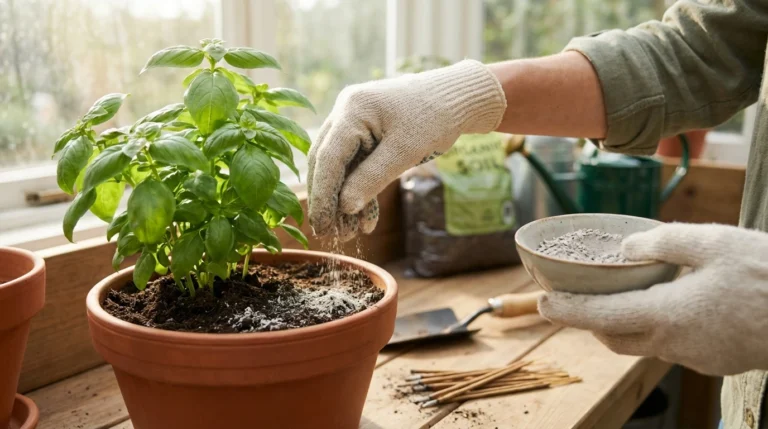
Growing your own food is not only rewarding but also a significant step towards self-sufficiency. Here are some sustainable gardening practices:
Crop Selection
Choose crops that are well-suited to your climate and soil conditions. Some easy options include:
- Vegetables: Tomatoes, peppers, and leafy greens.
- Herbs: Basil, rosemary, and mint.
- Fruits: Strawberries, blueberries, and apples.
Companion Planting
Utilize companion planting techniques to maximize space and enhance growth. For instance, planting marigolds with tomatoes can deter pests.
Permaculture Principles
Adopt permaculture practices by designing your garden to mimic natural ecosystems. This can include:
- Creating swales to manage water runoff.
- Planting perennials to reduce soil disturbance.
- Integrating animals such as chickens for pest control and fertilizer.
Step 5: Building a Tiny, Efficient Home
Your living space should reflect off-the-grid principles. Consider these factors when building or renovating:
Energy Efficiency
Make your home as energy-efficient as possible by:
- Using high-quality insulation to reduce heating and cooling costs.
- Installing energy-efficient windows and doors.
- Choosing appliances that are energy star rated.
Tiny House Design
If you’re starting from scratch, look into tiny house designs that maximize space while remaining functional. These homes are often eco-friendly and can be built using sustainable materials.
Unique Ideas for Your Off-The-Grid Homestead
Here are some unique ideas to inspire your transformation and make your homestead visually appealing:
- Vertical Gardens: Utilize wall space with climbing plants to save ground space.
- Reclaimed Wood Features: Create beautiful furniture and garden structures using reclaimed materials.
- Outdoor Living Spaces: Build a cozy outdoor area for relaxation and entertaining.
- Herb Spiral: Design a spiral garden bed to grow herbs in a compact yet productive way.
- Solar Greenhouse: Construct a greenhouse that harnesses solar energy for year-round gardening.
Expert Tips for Successful Off-The-Grid Living
Here are some lesser-known tips to enhance your off-the-grid journey:
- Start Small: Don’t overwhelm yourself. Begin with one project, like a small garden or a solar panel.
- Join Local Communities: Connect with local homesteaders or off-grid communities for support and shared resources.
- Invest in Education: Take courses on permaculture, solar installation, or organic gardening to expand your knowledge.
- Document Your Journey: Share your progress on social media or a blog. This can inspire others and create a community of like-minded individuals.
Common Questions About Off-The-Grid Living
1. Is off-the-grid living expensive to start?
While initial investments in renewable energy systems and gardening setups can be significant, many find long-term savings on utilities and food costs.
2. Can I still have internet and modern conveniences?
Yes! Many off-the-grid homesteaders use satellite internet and other technologies to maintain modern conveniences while living sustainably.
3. What are some common challenges of off-the-grid living?
Challenges can include managing energy sources, water supply, and occasional isolation. However, these can often be overcome with planning and community support.
4. How can I generate income from my homestead?
Income can be generated through selling produce, homemade goods, offering workshops, or even eco-tourism if your homestead is appealing to visitors.
5. What resources are available for off-the-grid living?
Many books, online courses, and forums exist to help guide you in your off-the-grid journey. Local extension services can also provide valuable information.
Conclusion
Transforming your house into a tiny, profitable off-the-grid homestead is an exciting and rewarding endeavor. By embracing renewable energy, sustainable gardening, and smart financial strategies, you can create a self-sufficient lifestyle that not only benefits you but also contributes positively to the environment. Take it one step at a time, and soon enough, you’ll enjoy the fruits of your labor in a beautiful, tranquil setting. Embrace the journey, and let your homestead flourish!