Bringing the beauty of nature into your kitchen can transform the space into a vibrant and refreshing environment. Imagine cooking amidst lush greenery, natural light streaming in, and earthy textures complementing your culinary adventures. Whether you have a spacious kitchen or a cozy nook, there are countless ways to incorporate natural elements that inspire creativity and comfort. Let’s explore over 24 brilliant kitchen ideas that will seamlessly blend nature with your cooking space.
Quick Answer
To bring nature indoors in your kitchen, consider adding plants, using natural materials, incorporating large windows for natural light, and choosing earthy color palettes. These elements create a refreshing atmosphere that enhances your cooking experience.
1. Embrace Indoor Plants
Indoor plants are a fantastic way to introduce nature into your kitchen. They purify the air and add a lively touch to your decor.
Herb Garden
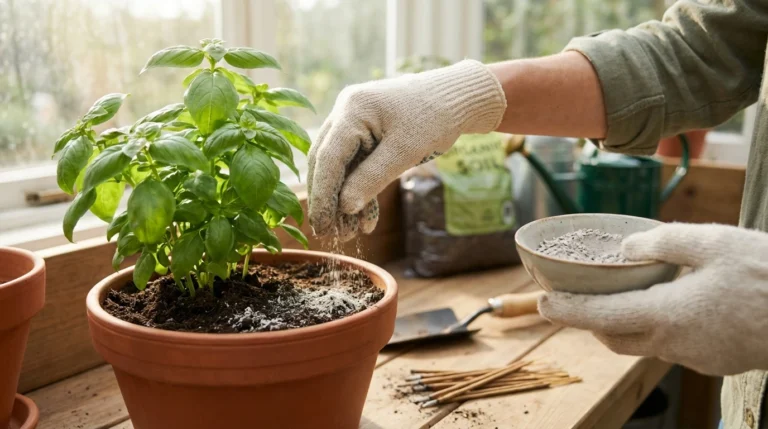
- Grow herbs like basil, parsley, and mint in small pots on your windowsill for easy access while cooking.
- Consider a vertical herb garden if you have limited space. You can create a wall-mounted planter to save counter space.
Low-Maintenance Options
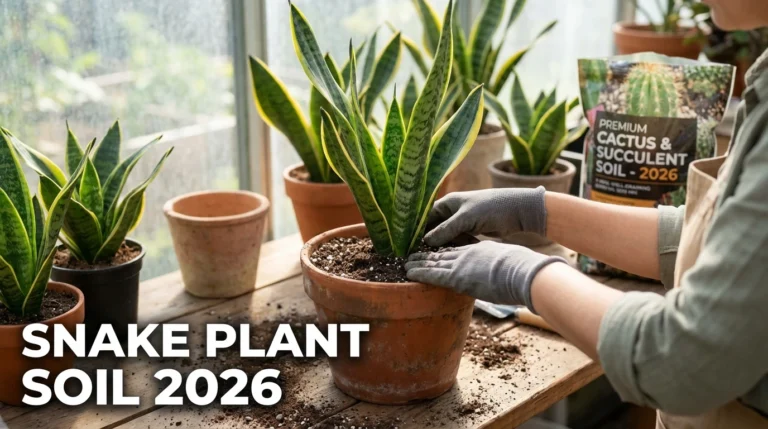
- Succulents and snake plants are perfect for kitchens due to their resilience and minimal care requirements.
- Choose pots that complement your kitchen’s aesthetic, whether ceramic, terracotta, or modern concrete.
2. Utilize Natural Light
Natural light not only makes a space feel larger but also enhances the colors and textures of your kitchen elements.
Large Windows
- Install large windows or sliding glass doors to invite sunlight in. This creates a warm and inviting atmosphere.
- Consider adding a window seat where you can enjoy your morning coffee while surrounded by nature.
Skylights
- Skylights are an excellent option for adding light to darker kitchens. They provide direct sunlight and can make the space feel open.
- Choose skylights with operable features to allow fresh air to flow in, enhancing the natural ambiance.
3. Natural Materials
Incorporating natural materials can add warmth and texture to your kitchen design.
Wood Accents
- Use reclaimed wood for your kitchen island or shelves. This adds character and a rustic feel.
- Consider wooden cabinetry or open shelving to display your natural elements and kitchenware.
Stone and Marble
- Countertops made of granite or marble can bring the beauty of nature indoors. Each piece is unique, adding a personal touch to your kitchen.
- Incorporate stone backsplashes for a dramatic yet earthy effect.
4. Earthy Color Palette
The colors you choose can significantly impact the mood of your kitchen. Opt for earthy tones that reflect the beauty of nature.
Warm Neutrals
- Use soft beige, taupe, or warm gray for walls and cabinets. These colors create a calming backdrop for your kitchen.
- Accent with deeper shades of green or brown to evoke a natural feel.
Nature-Inspired Accents
- Incorporate colors found in nature, such as leafy greens, ocean blues, and sunset oranges through decor and accessories.
- Use textiles with botanical prints for curtains or cushions to enhance the theme.
5. Open Layouts
An open kitchen layout can help connect the indoors with the outdoors, making the space feel more expansive.
Flowing Spaces
- Design your kitchen to flow into dining or living areas. This encourages interaction and brings in natural light from adjacent rooms.
- Consider using glass partitions to maintain an open feel while providing a visual boundary.
Outdoor Connectivity
- If you have an outdoor patio or garden, create direct access from your kitchen. This encourages outdoor dining and cooking.
- Use folding or bi-fold doors to seamlessly connect the indoor and outdoor spaces.
6. Nature-Inspired Decor
Decorating your kitchen with nature-inspired elements can create a cohesive and inviting atmosphere.
Natural Textiles
- Choose table linens, towels, and cushions made from natural fibers like cotton or linen.
- Opt for earth-toned colors or botanical prints to reinforce the nature theme.
Artwork and Accessories
- Display art that features landscapes, botanical illustrations, or nature photography.
- Incorporate decorative items made from natural materials, such as wooden bowls or stoneware.
7. Sustainable Practices
Incorporating sustainability into your kitchen not only helps the environment but also brings a sense of purpose and connection to nature.
Energy-Efficient Appliances
- Invest in energy-efficient appliances to reduce your carbon footprint. Look for the Energy Star label for the best options.
- Consider solar panels if your kitchen has adequate sunlight exposure, which can power your appliances sustainably.
Water-Saving Fixtures
- Install low-flow faucets to conserve water without sacrificing performance.
- Collect rainwater for gardening purposes, creating a sustainable cycle of use.
8. Functional Layouts with Natural Flow
A kitchen that functions well makes cooking a joy. Ensure the layout supports movement and efficiency.
The Work Triangle
- Design your kitchen layout around the work triangle: the refrigerator, stove, and sink should form a triangle to optimize workflow.
- Keep frequently used items within easy reach to minimize unnecessary movement.
Incorporate Natural Flow
- Use open shelving as opposed to closed cabinets to create visual flow and make the space feel larger.
- Design your kitchen island with seating that encourages conversation and connection.
9. Lighting that Mimics Nature
Lighting plays a crucial role in creating a warm and inviting atmosphere in your kitchen.
Natural Light Sources
- Maximize natural light during the day by using sheer curtains or no window treatments.
- Place mirrors strategically to reflect light and make the space feel brighter.
Layered Lighting
- Incorporate different types of lighting, such as ambient, task, and accent lighting, to create depth.
- Use warm LED bulbs that mimic the glow of natural light to enhance the cozy atmosphere.
10. Seasonal Decor Changes
Changing your decor seasonally can keep your kitchen feeling fresh and connected to nature’s cycles.
Seasonal Centerpieces
- Create centerpieces using seasonal fruits, flowers, or branches to bring the outside in.
- Use pumpkins in the fall or fresh herbs in spring to celebrate the changing seasons.
Textile Swaps
- Change out dish towels, tablecloths, and cushions to reflect the colors and textures of each season.
- Opt for seasonal colors; warm tones for fall, bright shades for summer, and soft pastels for spring.
11. Bring in Water Features
Water elements can add a calming effect and create a serene atmosphere in your kitchen.
Indoor Fountains
- Consider adding a small indoor fountain. The sound of flowing water can create a soothing ambiance.
- Choose a design that complements your kitchen’s style, whether modern or rustic.
Decorative Bowls
- Incorporate bowls filled with decorative stones or water and floating candles as a centerpiece.
- This simple touch can add a touch of tranquility to your kitchen space.
12. Create a Cozy Nook
A cozy nook can be a delightful spot for enjoying meals, reading, or sipping coffee while surrounded by nature.
Window Seat
- If you have space, create a window seat adorned with cushions and soft throws, making it a perfect reading corner.
- Enhance the nook with potted plants that thrive in indirect sunlight.
Small Dining Area
- Designate a small dining area with natural wood furniture and plants nearby to maintain the nature theme.
- Use a round table to create an intimate setting that encourages conversation.
Expert Tips for Bringing Nature Indoors
- Mix different types of plants for a layered effect, combining heights and textures to create visual interest.
- Use plants that thrive in kitchen environments, such as spider plants or pothos, which tolerate humidity.
- Consider the seasonal changes in light and temperature when selecting plants for your kitchen.
- Incorporate natural scents into your kitchen, such as essential oils, to enhance the connection to nature.
Common Questions
What are the best plants for kitchen spaces?
Some of the best plants for kitchens include herbs like basil and mint, low-maintenance options like snake plants, and air-purifying plants like pothos.
How can I make my kitchen feel more spacious?
To make your kitchen feel more spacious, maximize natural light, use mirrors, and opt for open shelving instead of closed cabinets.
What colors work best in a nature-inspired kitchen?
Earthy tones like warm browns, soft greens, and muted grays work well in nature-inspired kitchens, creating a calming atmosphere.
Conclusion
Bringing nature indoors is a wonderful way to enhance your kitchen’s ambiance, making it a space where you love to cook and gather. By incorporating plants, natural materials, and thoughtful design elements, you can create a kitchen that feels connected to the great outdoors. Take inspiration from these ideas and personalize them to reflect your style, and soon, your kitchen will be a beautiful sanctuary filled with the wonders of nature.