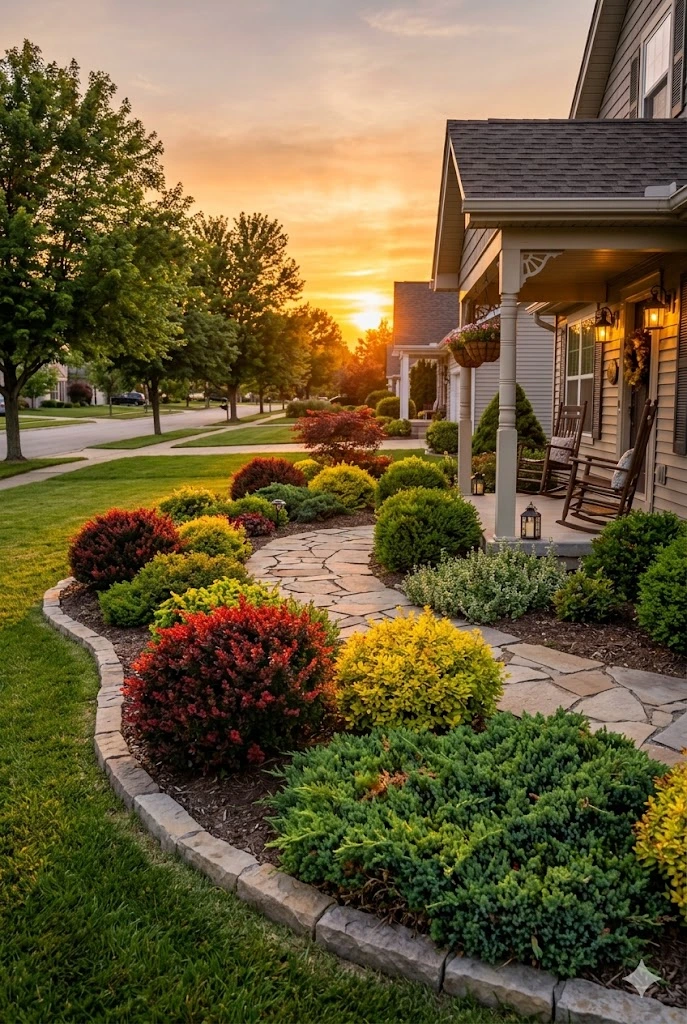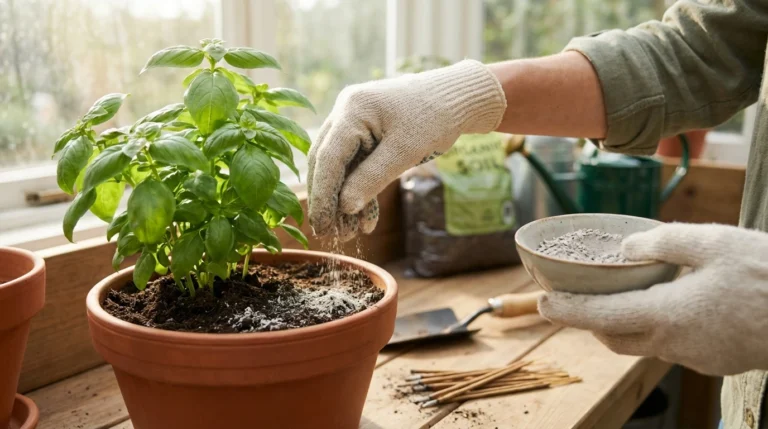
Transforming the front of your house into a welcoming oasis begins with the right landscaping choices. Low-growing shrubs can be the perfect solution to enhance curb appeal, offering beauty, texture, and structure without overwhelming your space. Whether you have a small garden or a sprawling front yard, these charming plants can add a delightful touch. Let’s explore over 23 of the best low-growing shrubs that will not only beautify your home but also provide practical benefits.
Quick Answer
For a stunning front yard, consider low-growing shrubs like dwarf boxwood, creeping thyme, and spirea. These plants are not only easy to maintain but also provide year-round visual interest, enhancing your home’s curb appeal.
Why Choose Low-Growing Shrubs?
Low-growing shrubs bring numerous benefits to your landscape:
- Space Efficiency: Perfect for small gardens or as borders without taking up too much space.
- Maintenance: Generally require less pruning and upkeep compared to taller plants.
- Versatility: Can be used in various landscape styles, from formal gardens to casual spaces.
- Soil Erosion Control: Their root systems help stabilize soil and prevent erosion.
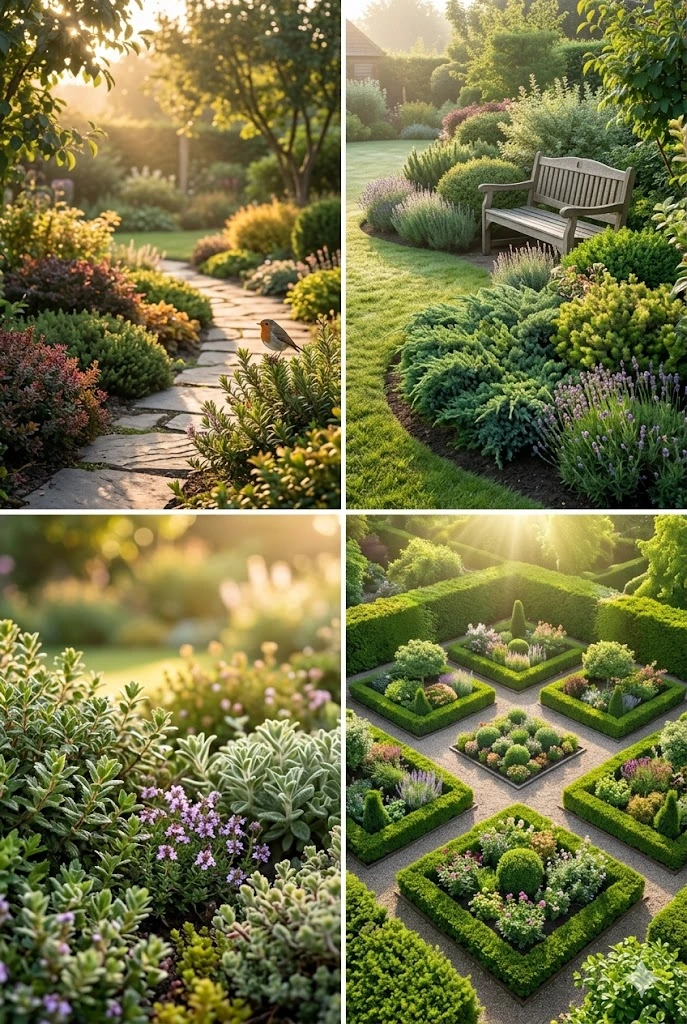
23+ Best Low-Growing Shrubs for Your Front Yard
Here’s a curated list of over 23 charming low-growing shrubs that can elevate the aesthetic of your home’s front yard.
1. Dwarf Boxwood (Buxus spp.)
Dwarf boxwood is a classic choice. Its dense foliage can be shaped easily, making it perfect for formal gardens. They thrive in a variety of climates and can be planted in full sun or partial shade.
2. Creeping Thyme (Thymus serpyllum)
This aromatic ground cover not only looks lovely but is also drought-tolerant. Its tiny purple flowers attract pollinators, adding a splash of color to your garden.
3. Spirea (Spiraea spp.)
Known for their vibrant spring blooms, spireas are hardy and adaptable. Varieties like ‘Little Princess’ or ‘Magic Carpet’ provide colorful foliage and flowers.
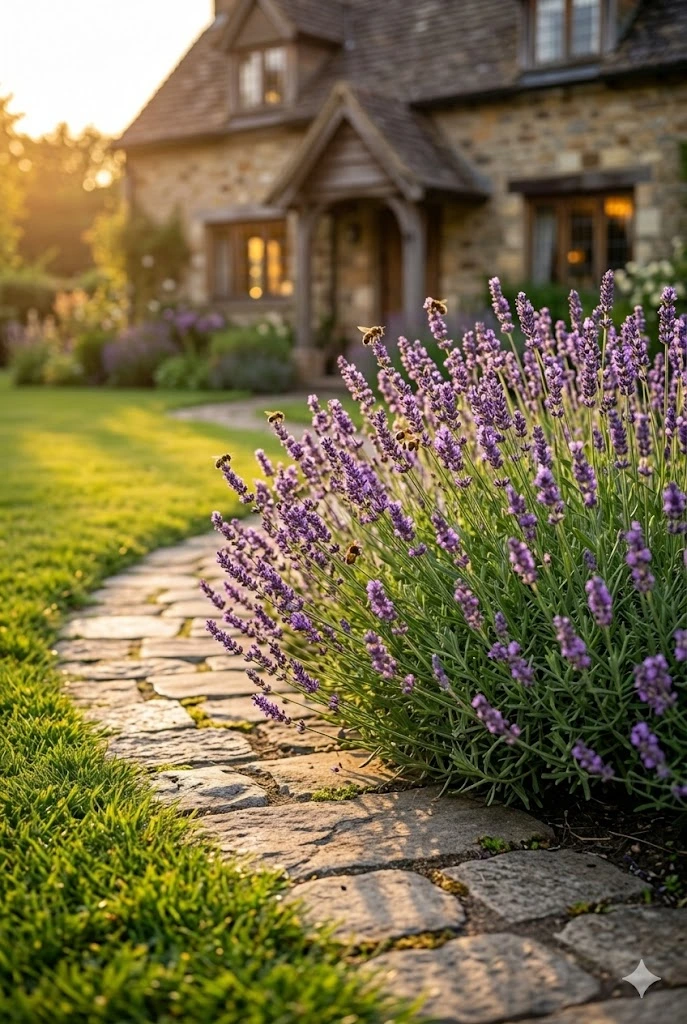
4. Lavender (Lavandula spp.)
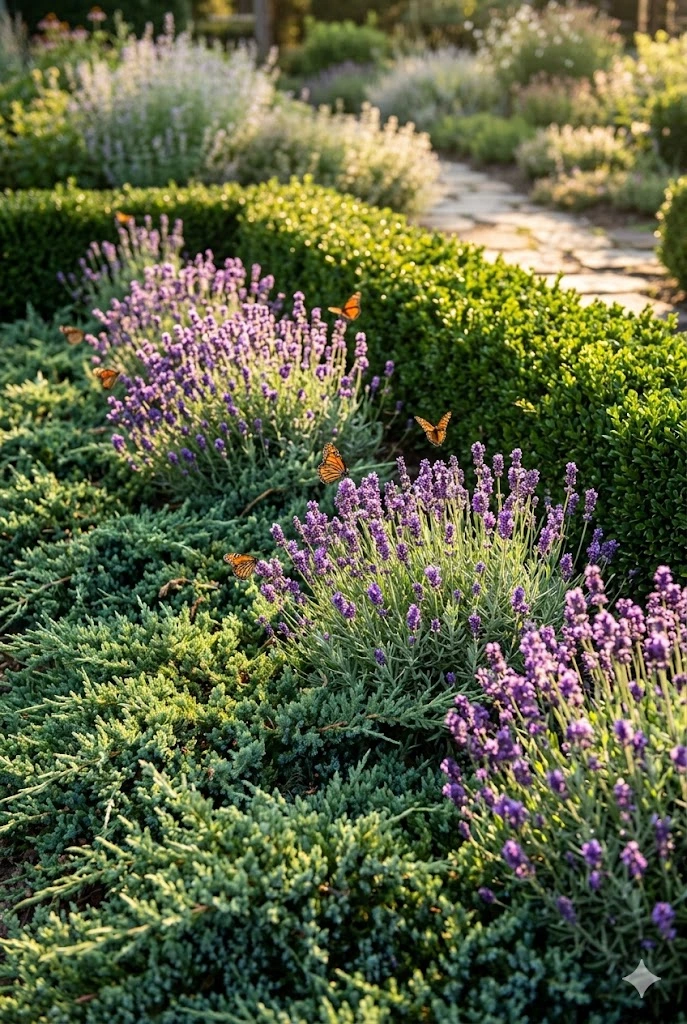
Lavender is not just beautiful; it also provides a lovely fragrance. This drought-resistant shrub thrives in sunny spots and attracts bees and butterflies.
5. Japanese Holly (Ilex crenata)
Similar to boxwood in appearance, Japanese holly offers glossy leaves and can be shaped easily. It’s a great option for low hedges or borders.
6. Coral Bells (Heuchera spp.)
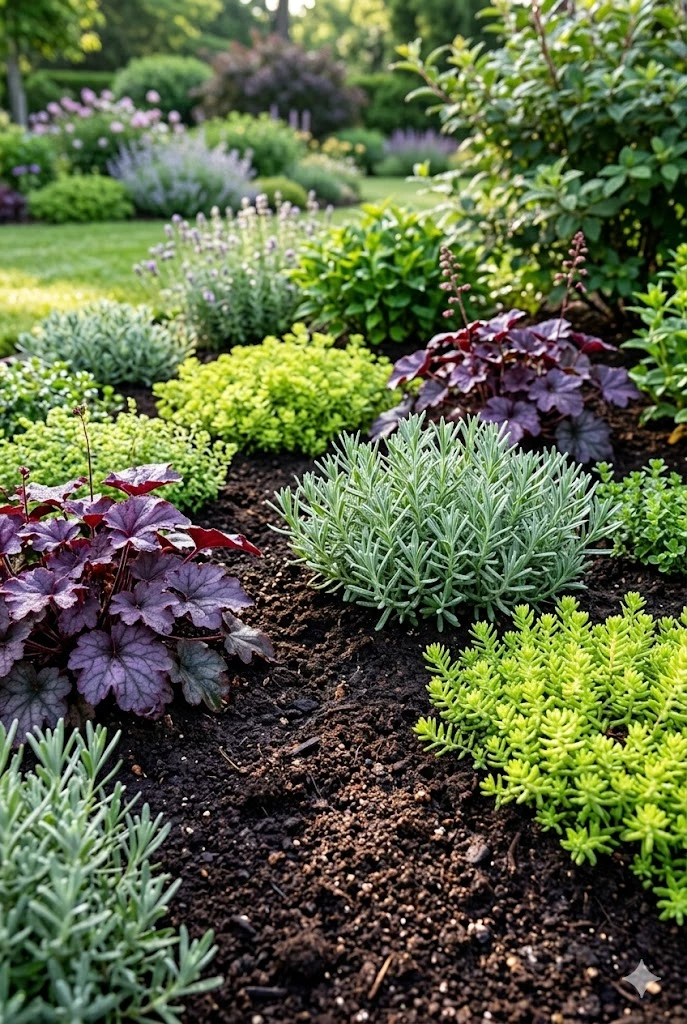
With vibrant foliage ranging from deep purple to bright green, coral bells add visual interest year-round. They prefer partial shade and are perfect for adding texture.
7. Dwarf Nandina (Nandina domestica ‘Firepower’)
This shrub features stunning red and orange foliage in the fall. Dwarf nandina is low-maintenance and thrives in various conditions.
8. Rockrose (Cistus spp.)
Rockrose is known for its beautiful flowers and ability to thrive in poor soil conditions. It’s drought-tolerant and perfect for sunny areas.
9. Creeping Juniper (Juniperus horizontalis)
A fantastic ground cover option, creeping junipers provide a lush, green carpet. They are incredibly hardy and require minimal care.
10. Gold Mound Spirea (Spiraea japonica ‘Gold Mound’)
This variety features bright yellow foliage that turns orange in the fall. It’s compact and blooms with pink flowers in spring and summer.
11. Blue Star Juniper (Juniperus squamata ‘Blue Star’)
With its stunning blue-green foliage, Blue Star Juniper adds a unique touch to your landscape. It’s low-maintenance and drought-resistant.
12. Barberry (Berberis spp.)
Barberries offer colorful foliage and are available in various sizes. They are great for borders and have the added benefit of being deer-resistant.
13. Butterfly Bush (Buddleja davidii)
Attracting butterflies and hummingbirds, butterfly bushes produce long-lasting blooms. They thrive in sunny spots and are relatively easy to maintain.
14. Potentilla (Potentilla fruticosa)
These hardy shrubs produce cheerful yellow flowers throughout the summer. Potentilla is drought-resistant and thrives in a variety of soil types.
15. Autumn Joy Sedum (Sedum spectabile)
This succulent plant is known for its thick, fleshy leaves and stunning pink flowers that bloom in late summer to fall. It’s excellent for rock gardens.
16. Low Bush Blueberry (Vaccinium angustifolium)
Not only do these shrubs provide delicious berries, but they also offer beautiful fall color. They thrive in acidic soil and full sun.
17. Sweet Pepperbush (Clethra alnifolia)
This shrub produces fragrant white flowers in summer and attracts various pollinators. It prefers moist, well-drained soil.
18. Winter Heath (Erica carnea)
Blooming in late winter to early spring, Winter Heath offers colorful flowers when most gardens are bare. It’s ideal for a pop of color during the colder months.
19. Gold Barberry (Berberis thunbergii ‘Aurea’)
This striking shrub features bright golden-yellow foliage, adding a cheerful vibe to your garden. It’s also drought-resistant and low-maintenance.
20. Blue Chip Juniper (Juniperus horizontalis ‘Blue Chip’)
With its compact size and stunning blue foliage, this juniper is perfect for borders and rock gardens, adding a unique touch to your landscape.
21. Pansy Leafed Azalea (Rhododendron spp.)
These azaleas bloom in spring and offer beautiful flowers in various colors. They thrive in partial shade and well-drained soil.
22. Miniature Rose (Rosa spp.)
Adding a touch of elegance, miniature roses are perfect for low borders and pots. They bloom repeatedly throughout the season, offering vibrant colors and scents.
23. Little Lime Hydrangea (Hydrangea paniculata ‘Little Lime’)
This compact hydrangea variety offers stunning lime-green blooms that turn pink as they age. They thrive in well-drained soil and full sun.
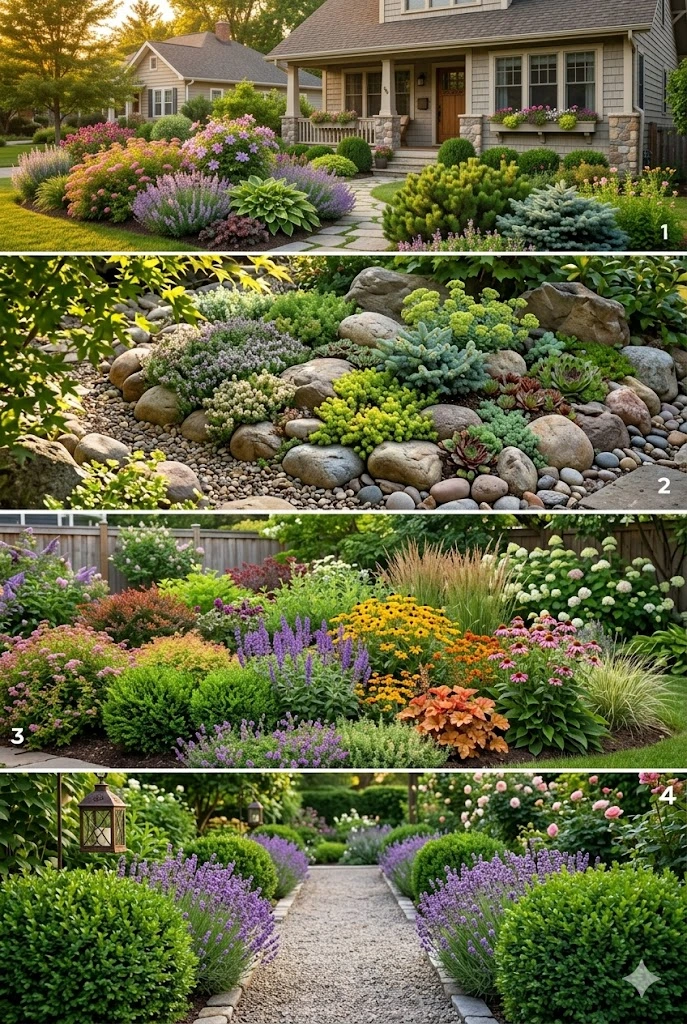
Pinterest-Style Ideas for Landscaping with Low-Growing Shrubs
Here are several inspiring ideas for incorporating low-growing shrubs into your front yard:
- Colorful Borders: Use a combination of flowering shrubs like spirea and low-growing evergreens for a vibrant border.
- Rock Garden Accents: Integrate creeping thyme and sedum into rock gardens for a lush, textured look.
- Mixed Planting Beds: Combine various low-growing shrubs with perennials for a layered effect that blooms throughout the seasons.
- Pathway Framing: Line pathways with dwarf boxwood or lavender to create a fragrant and inviting entrance.
- Container Gardens: Use miniature roses or coral bells in pots for a charming entrance or patio display.
Expert Tips for Choosing and Maintaining Low-Growing Shrubs
To ensure your low-growing shrubs thrive and enhance your landscape, consider the following expert tips:
- Know Your Zone: Choose shrubs that are suited to your USDA hardiness zone for optimal growth.
- Soil Preparation: Amend your soil with compost to provide nutrients and improve drainage.
- Watering Needs: Understand the watering requirements of each shrub, especially during dry spells.
- Pruning: Regularly prune your shrubs to maintain their shape and remove any dead or diseased branches.
- Mulching: Apply mulch around the base of your shrubs to conserve moisture and suppress weeds.
Common Questions About Low-Growing Shrubs
1. What are the best low-growing shrubs for full sun?
Some of the best options include lavender, creeping juniper, and dwarf boxwood, as they thrive in sunny conditions.
2. How do I care for low-growing shrubs?
Regular watering, appropriate pruning, and ensuring they have well-drained soil will help maintain healthy shrubs.
3. Can I use low-growing shrubs in containers?
Yes! Many low-growing shrubs, like miniature roses and coral bells, do well in containers and can be used for patios or entrances.
4. How often should I prune low-growing shrubs?
Pruning schedules vary by species, but generally, late winter or early spring is a good time to shape and clean up shrubs.
5. Are low-growing shrubs deer resistant?
Some varieties, like barberry and lavender, are known to be deer-resistant, making them excellent choices for gardens in deer-populated areas.
Conclusion
Low-growing shrubs are an excellent way to enhance your home’s curb appeal while providing practical benefits. With a myriad of options available, you can choose the perfect plants to suit your style and garden space. Remember to consider your local climate and soil conditions when selecting shrubs to ensure they thrive. By incorporating these charming plants into your front yard, you’ll create a welcoming atmosphere that invites admiration from all who pass by.