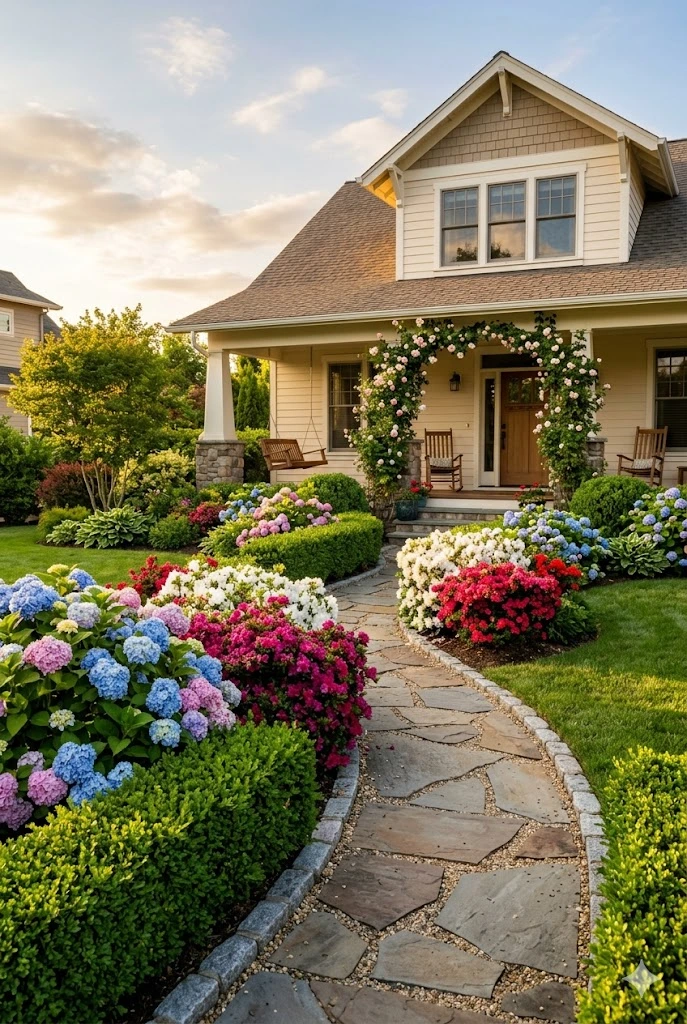
When it comes to enhancing the curb appeal of your home, the right bushes can make all the difference. Whether you’re looking to frame your entryway, create a welcoming atmosphere, or add some vibrant color, selecting the perfect shrubs is essential. With so many options available, it can be overwhelming to choose the best bushes for the front of your house. Fortunately, we’ve compiled a list of over 31 beautiful bushes that not only elevate the aesthetics of your landscape but also thrive in various conditions. Let’s explore these options together!
Quick Answer
For a stunning front yard, consider bushes like Boxwood, Hydrangea, and Azalea. These choices offer beauty, structure, and seasonal interest, perfect for enhancing your home’s curb appeal.
Why Choose Bushes for Your Front Yard?
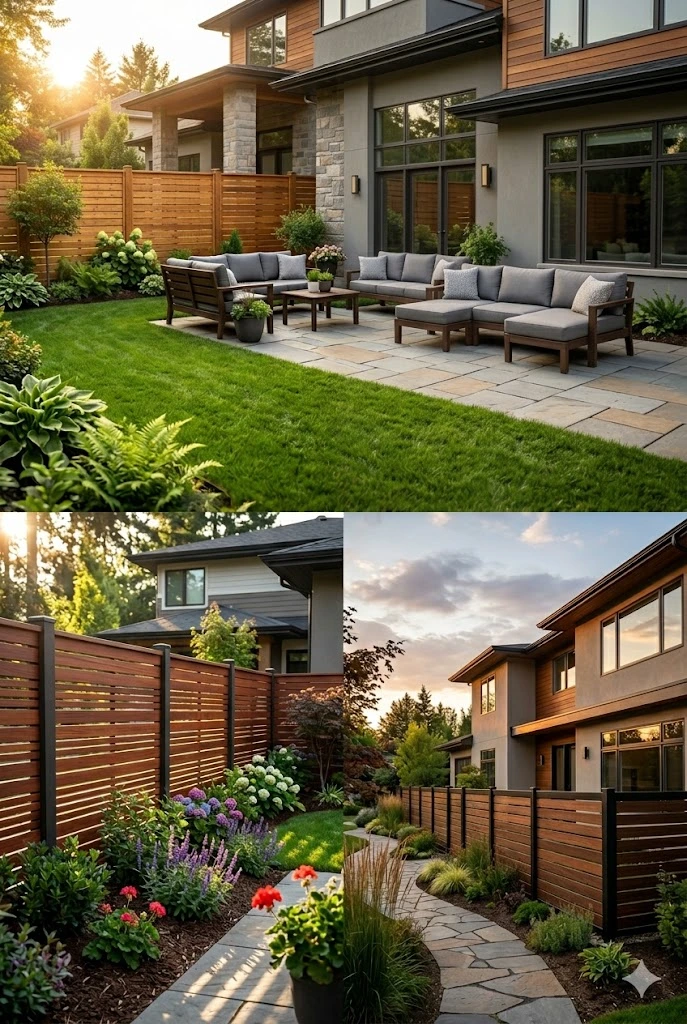
Choosing the right shrubs can transform your front yard into a vibrant and inviting space. Here are some reasons to consider:
- Visual Appeal: Bushes add texture, color, and structure to your landscape.
- Privacy: Certain shrubs can create natural barriers, providing privacy from neighbors and passersby.
- Wildlife Support: Many bushes attract pollinators and birds, enhancing the ecosystem in your yard.
- Seasonal Interest: Different varieties bloom at various times, ensuring year-round beauty.
Types of Beautiful Bushes for Your Front Yard
1. Boxwood (Buxus spp.)
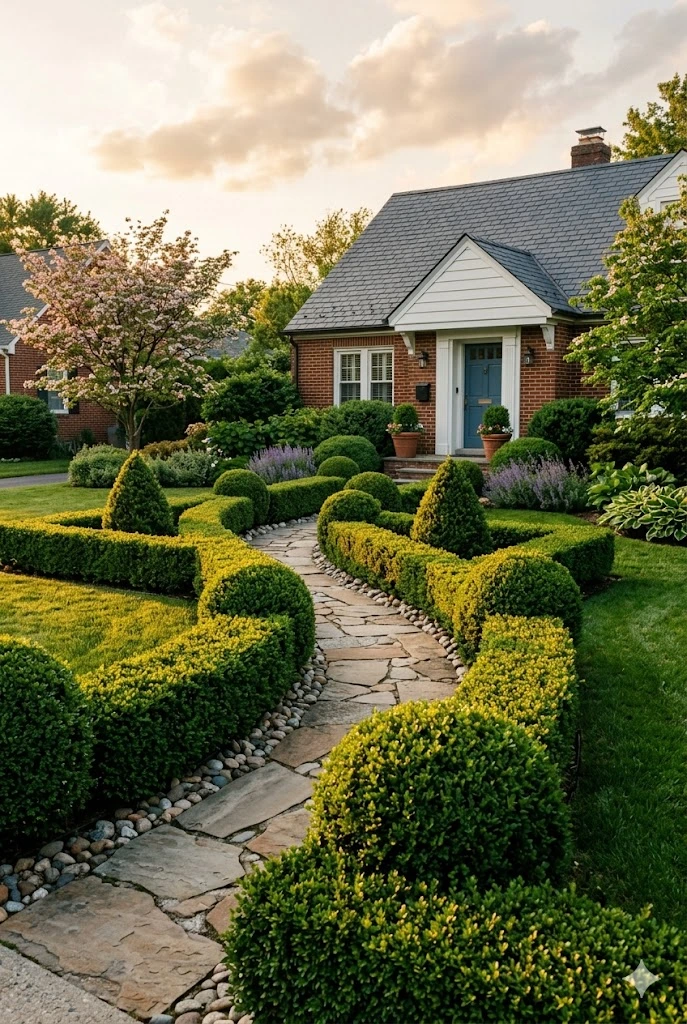
Boxwoods are classic evergreen shrubs with dense foliage that can be shaped into various forms. They are perfect for creating formal hedges or borders.
2. Hydrangea (Hydrangea spp.)
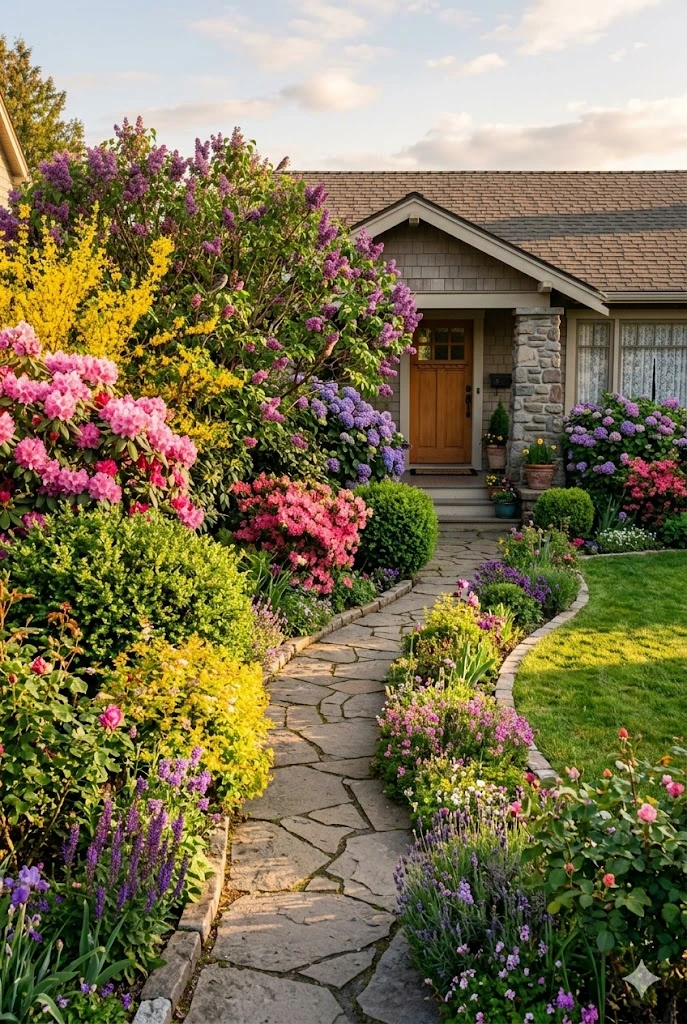
Known for their large, showy flower clusters, Hydrangeas provide stunning color in the summer. They thrive in partial shade and come in various colors, including blue, pink, and white.
3. Azalea (Rhododendron spp.)
These flowering shrubs are famous for their vibrant blooms in spring. Available in many colors, Azaleas thrive in acidic soils and prefer partial shade.
4. Forsythia (Forsythia spp.)
Forsythia is one of the first shrubs to bloom in spring, showcasing bright yellow flowers that herald the warmer months. They grow quickly and are excellent for creating a cheerful hedge.
5. Lilac (Syringa spp.)
With their intoxicating fragrance and beautiful purple blooms, Lilacs add a nostalgic touch to any garden. They prefer full sun and well-drained soil.
6. Spirea (Spiraea spp.)
This hardy shrub produces clusters of small flowers in the spring and summer. Spireas are low maintenance and can be used as borders or mass plantings.
7. Barberry (Berberis spp.)
Barberries are tough, drought-resistant shrubs with thorny branches and colorful foliage. They add texture and depth to the landscape and can be used for security hedges.
8. Butterfly Bush (Buddleja spp.)
Attracting butterflies and hummingbirds, the Butterfly Bush features long, fragrant flower spikes. They thrive in full sun and are available in various colors.
9. Holly (Ilex spp.)
Hollies are evergreen shrubs that provide year-round interest with their glossy leaves and vibrant red berries. They can be shaped into hedges or left to grow naturally.
10. Nandina (Nandina domestica)
Also known as heavenly bamboo, Nandina has beautiful foliage that changes colors with the seasons. It’s a hardy shrub that thrives in various conditions.
11. Weigela (Weigela spp.)
Weigela is a deciduous shrub with trumpet-shaped flowers that bloom in late spring. They are available in several varieties, offering diverse colors and sizes.
12. Chinese Lantern (Physalis alkekengi)
This unique plant produces bright orange lantern-like husks in the fall, adding visual interest to your garden. It thrives in well-drained soil and full sun.
13. Juniper (Juniperus spp.)
Junipers are versatile evergreens that can be used as ground cover or hedges. They are drought-tolerant and come in various shapes and sizes.
14. Smoke Bush (Cotinus coggygria)
This striking shrub features billowing, smoke-like flower clusters. It adds a unique texture and color to the landscape, especially in the fall.
15. Dwarf Alberta Spruce (Picea glauca ‘Conica’)
This compact evergreen shrub is perfect for small spaces. Its conical shape and dense foliage make it a popular choice for formal gardens.
16. Chokeberry (Aronia spp.)
Chokeberries are hardy shrubs that produce white flowers in spring and dark berries in the fall. They provide food for birds and add seasonal interest.
17. Japanese Maple (Acer palmatum)
While primarily a tree, Japanese Maples can be pruned as shrubs. They offer stunning foliage and a graceful shape that enhances any landscape.
18. Ninebark (Physocarpus opulifolius)
This hardy shrub features peeling bark and clusters of white flowers. Ninebark is tolerant of various soils and can thrive in full sun to partial shade.
19. Red Twig Dogwood (Cornus sericea)
Known for its striking red stems in winter, Red Twig Dogwood adds color even in the colder months. It’s excellent for borders or as a focal point.
20. Camellia (Camellia spp.)
Camellias are evergreen shrubs that bloom in winter and early spring. Their large, showy flowers add a splash of color when most other plants are dormant.
21. Elderberry (Sambucus spp.)
Elderberries produce beautiful clusters of white flowers in spring, followed by dark berries. They are excellent for attracting wildlife and can be used for jams and jellies.
22. Lantana (Lantana camara)
This heat-tolerant shrub produces colorful clusters of flowers that attract butterflies. Lantanas thrive in full sun and are perfect for warmer climates.
23. Fothergilla (Fothergilla spp.)
Fothergilla is a deciduous shrub that features fragrant white flowers in spring and vibrant fall foliage. It thrives in moist, well-drained soil.
24. Ribes (Ribes spp.)
Known as currant or gooseberry bushes, Ribes produce edible fruit and beautiful flowers. They prefer partial shade and are great for edible landscapes.
25. Winterberry (Ilex verticillata)
This deciduous holly produces bright red berries in winter, providing food for birds. Winterberry thrives in wet soils and is a stunning winter presence.
26. Periwinkle (Vinca minor)
Periwinkle is a low-growing ground cover with beautiful purple flowers. It’s ideal for shaded areas and can help suppress weeds.
27. Salvia (Salvia spp.)
This aromatic herbaceous shrub produces spikes of vibrant flowers that attract pollinators. Salvia thrives in full sun and well-drained soil.
28. Golden Raintree (Koelreuteria paniculata)
This unique shrub features bright yellow flowers in summer and papery seed pods in the fall. It’s drought-tolerant and adds a tropical feel to your landscape.
29. Potentilla (Potentilla fruticosa)
Potentilla is a low-maintenance shrub that produces yellow, orange, or red flowers throughout the summer. It’s perfect for borders or mass plantings.
30. Viburnum (Viburnum spp.)
Viburnums are versatile shrubs that produce fragrant flowers and attractive berries. They come in various sizes and shapes, making them excellent for any landscape.
31. Photinia (Photinia x fraseri)
Photinia is known for its striking red new growth, making it a popular choice for hedges and screens. It’s adaptable and thrives in various conditions.
Pinterest-Style Ideas for Bush Arrangements
Here are some creative ways to arrange the bushes in your front yard:
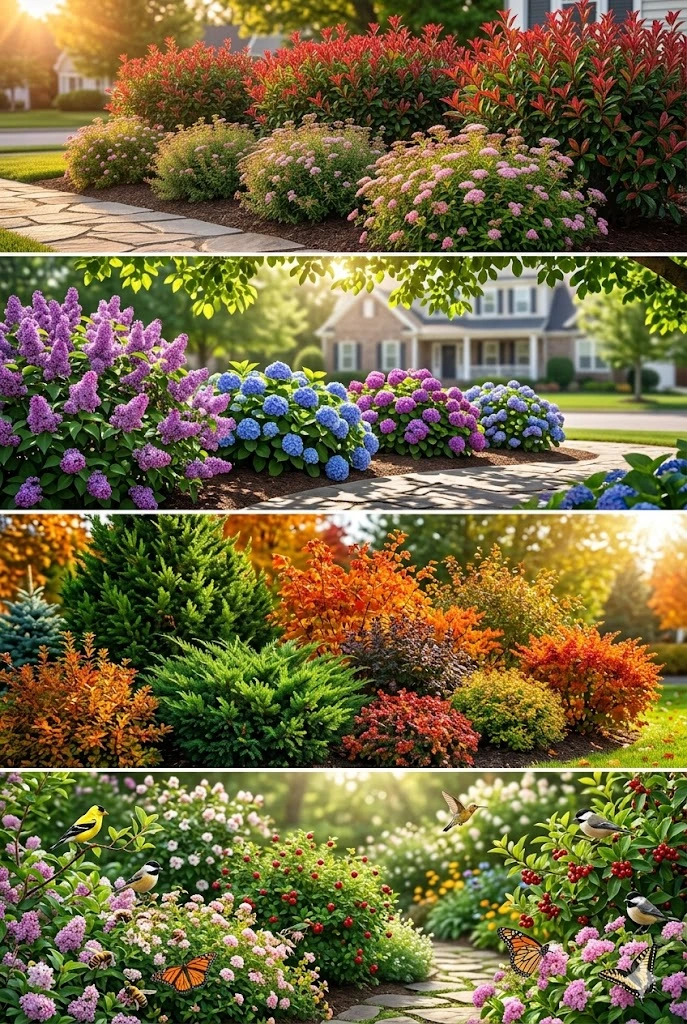
- Layered Planting: Place taller bushes like Photinia at the back and shorter ones like Spirea in front for depth.
- Color Blocking: Group bushes of similar colors, such as purple Lilacs and blue Hydrangeas, for a bold statement.
- Seasonal Showcase: Combine evergreen shrubs with deciduous ones to ensure year-round interest.
- Wildlife Haven: Plant a mix of flowering and berry-producing bushes to attract birds and pollinators.
Expert Tips for Choosing and Planting Bushes
Here are some insider tips to help you select and maintain your front yard shrubs:
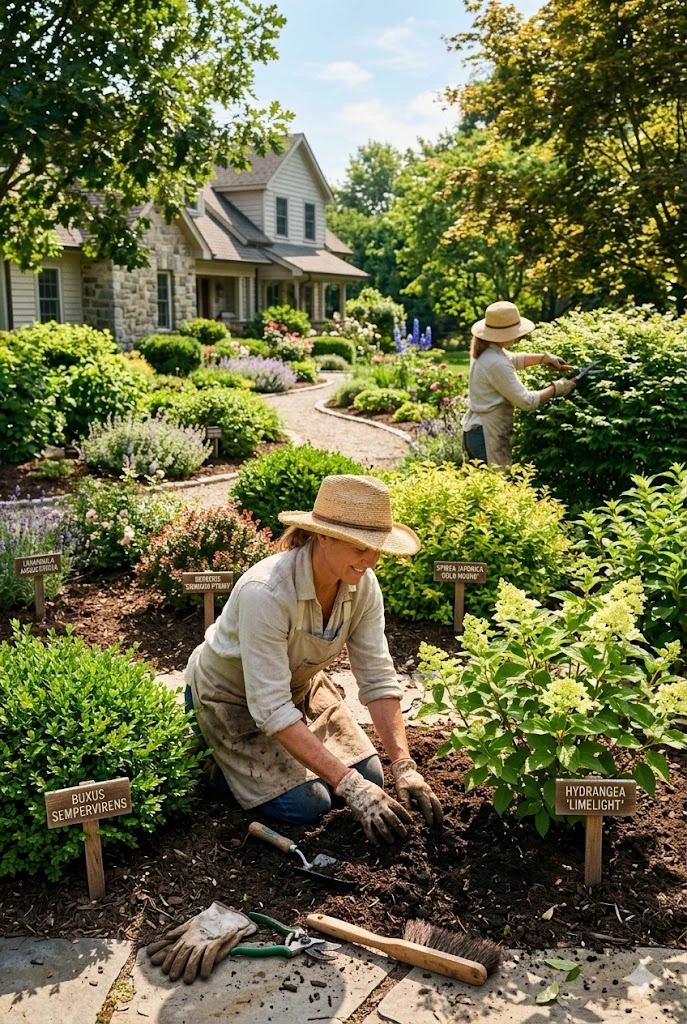
- Consider Your Climate: Choose bushes that are suitable for your hardiness zone to ensure healthy growth.
- Soil Preparation: Amend the soil with organic matter to improve drainage and nutrient availability.
- Spacing Matters: Give each bush enough space to grow to avoid overcrowding.
- Regular Pruning: Prune your bushes annually to maintain their shape and promote healthy growth.
Common Questions (FAQ)
What is the best time to plant bushes?
The best time to plant bushes is in the spring or fall when temperatures are moderate and the soil is workable.
How much sunlight do bushes need?
Most bushes thrive in full sun to partial shade, but specific light requirements vary by species. Always check the needs of the individual plant.
How do I care for my bushes?
Regular watering, mulching, and annual pruning are essential for keeping your bushes healthy and vibrant.
Can I plant bushes near a foundation?
Yes, but ensure you choose shrubs that won’t grow too large and check their mature size to avoid damaging the foundation.
What are some low-maintenance bushes?
Some low-maintenance options include Barberry, Juniper, and Spirea, which require minimal pruning and care.
Conclusion
Choosing the right bushes for the front of your house can significantly enhance its beauty and curb appeal. From the timeless elegance of Boxwood to the vibrant blooms of Hydrangea and Azalea, the options are plentiful. By selecting a mix of these beautiful bushes, you can create a stunning landscape that not only welcomes guests but also reflects your personal style. So, get planting and watch your front yard transform into a picturesque retreat!