As winter blankets the garden in a soft layer of snow, our feathered friends often struggle to find food. Creating DIY pine cone bird feeders not only helps them survive the chilly months but also offers a delightful project for you and your family. With simple materials and a touch of creativity, you can craft unique feeders that attract various bird species to your backyard. This engaging winter project connects you with nature, promotes wildlife conservation, and brings joy as you watch birds flock to your creations.
Quick Answer
DIY pine cone bird feeders are easy to make using pine cones, peanut butter, and birdseed. Simply coat the pine cone with peanut butter, roll it in birdseed, and hang it outside. This simple project provides essential food for birds during winter.
Why Create Pine Cone Bird Feeders?
Making pine cone bird feeders is a fun and rewarding activity that benefits both you and local wildlife. Here are a few reasons why you should consider this project:
- Encourages Wildlife: Providing food sources for birds helps them thrive in winter when natural resources are scarce.
- Family Bonding: This project is perfect for families, allowing kids to learn about nature while engaging in a hands-on activity.
- Easy and Inexpensive: Pine cones are often readily available, and the additional materials are budget-friendly.
- Creative Expression: Personalize your bird feeders with different designs, colors, and finishes.
Materials Needed
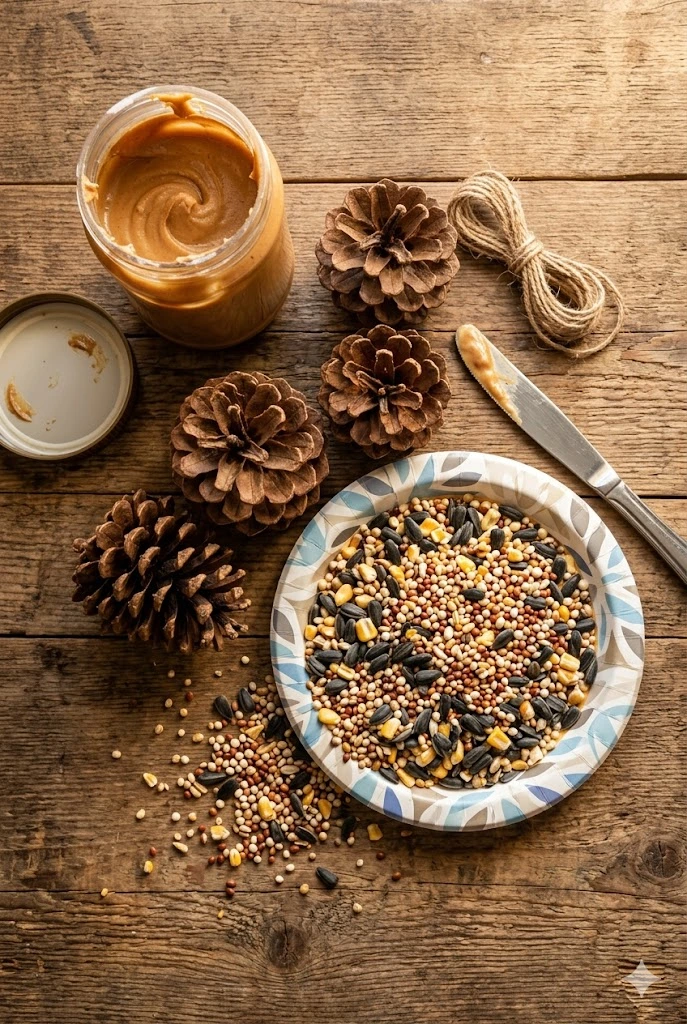
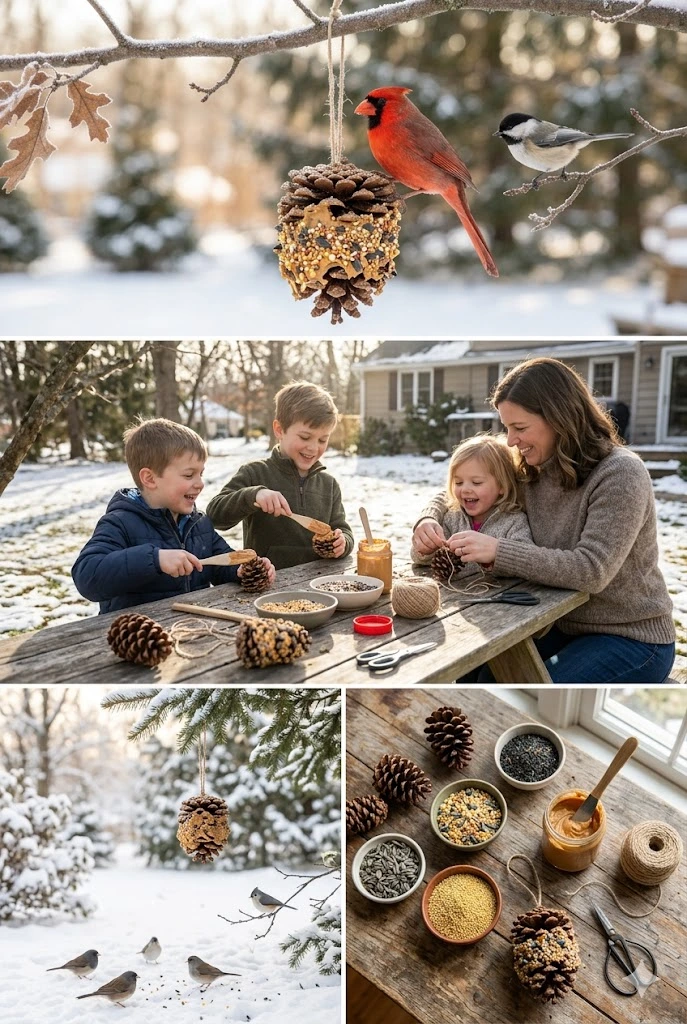
Gathering the right materials is crucial for your DIY pine cone bird feeders. Here’s what you’ll need:
- Pine Cones: Look for medium to large pine cones. They should be open and dry.
- Peanut Butter: Use creamy or chunky peanut butter, but ensure it’s unsalted and free of additives.
- Birdseed: Choose a mix that attracts local birds. Sunflower seeds, millet, and safflower seeds are popular options.
- String or Twine: To hang the feeders from tree branches or hooks.
- Butter Knife or Spoon: For spreading peanut butter.
- Paper Plate or Tray: To hold birdseed while you prepare the feeders.
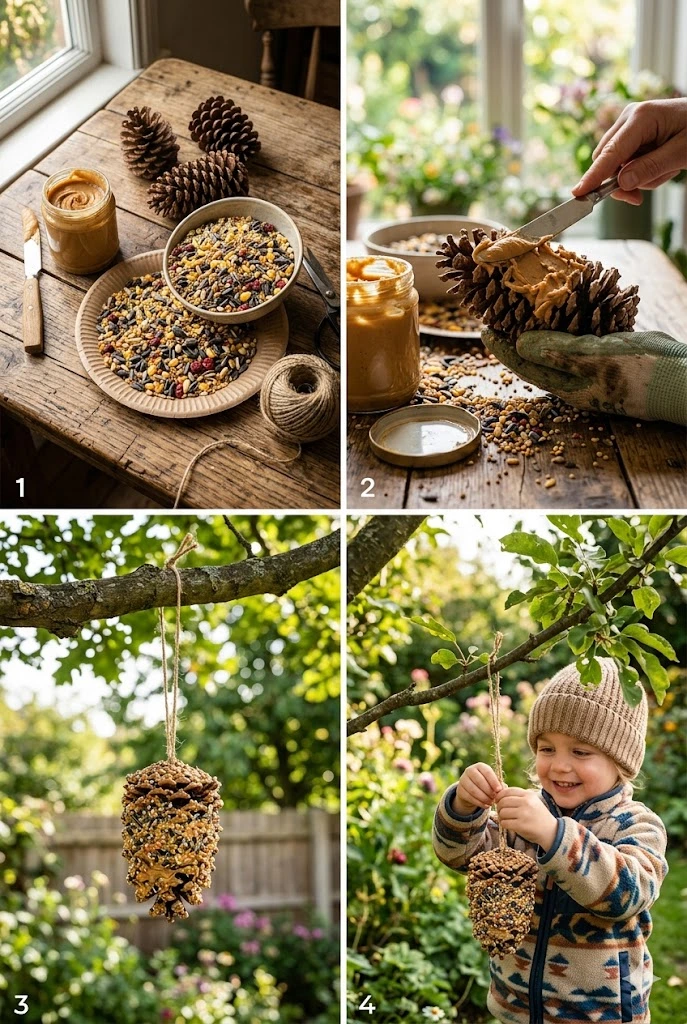
Step-by-Step Guide to Making Pine Cone Bird Feeders
Step 1: Prepare Your Pine Cones
Begin by cleaning your pine cones to remove dirt and debris. Rinse them under water and let them dry completely. If they’re closed, placing them in a warm oven (about 200°F or 93°C) for 30 minutes can help them open up.
Step 2: Apply Peanut Butter
Using a butter knife or spoon, generously coat the pine cone with peanut butter. Ensure that it’s covered thoroughly, as this will help the birdseed adhere to the surface.
Step 3: Roll in Birdseed
Pour birdseed onto a paper plate or tray. Roll the peanut butter-coated pine cone in the birdseed, pressing gently so the seeds stick well. Ensure that the pine cone is well-coated for maximum attraction.
Step 4: Add Hanging String
Cut a length of string or twine about 12-18 inches long. Tie one end around the top of the pine cone, creating a secure loop for hanging. Make sure the knot is tight enough to hold the feeder’s weight when it’s full of seeds.
Step 5: Hang Your Feeders
Find a suitable location to hang your bird feeders. Choose a spot visible from your window or patio, ideally near trees or shrubs where birds feel safe. Hang them from branches, hooks, or garden stakes.
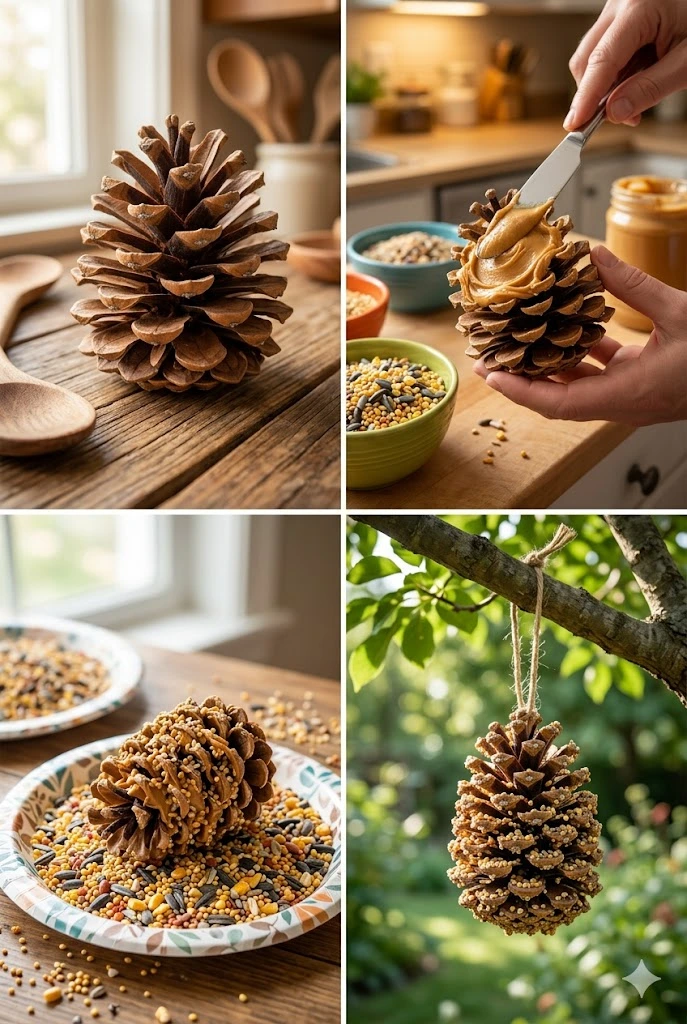
Creative Variations of Pine Cone Bird Feeders
While the basic pine cone bird feeder is delightful, you can also add your own twist to make it even more appealing to birds and fun for you:
1. Glitter and Color
For a festive touch, sprinkle edible glitter or colorful seed mixes on top of the peanut butter before rolling in birdseed. This adds a visual appeal that can attract birds and delight your family.
2. Suet Pine Cone Feeders
Instead of peanut butter, use suet (beef fat) as the base. Melt it down and mix in birdseed before coating the pine cone. Suet is high in fat, providing essential energy for birds in winter.
3. Seed Block Pine Cone Feeders
Combine melted peanut butter or suet with birdseed and pour the mixture into a mold or cup, then insert the pine cone to create a solid seed block. Once hardened, you can hang the block for birds to enjoy.
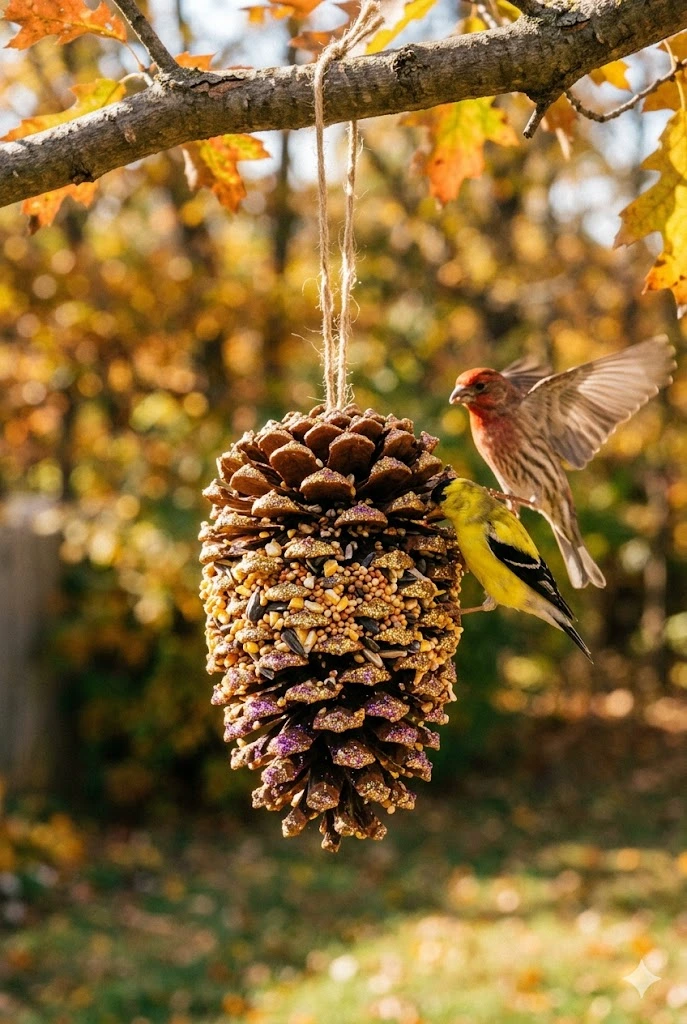
Expert Tips for Successful Bird Feeding
- Choose the Right Location: Hang feeders away from busy areas and potential predators, providing birds with a safe haven.
- Keep Feeders Clean: Regularly check and clean your feeders to prevent mold and disease, ensuring a healthy environment for birds.
- Monitor Food Levels: Refill feeders when they’re low to keep birds coming back. Fresh food is key to attracting a variety of species.
- Use Natural Materials: Consider using biodegradable twine or natural materials to create a more eco-friendly feeder.
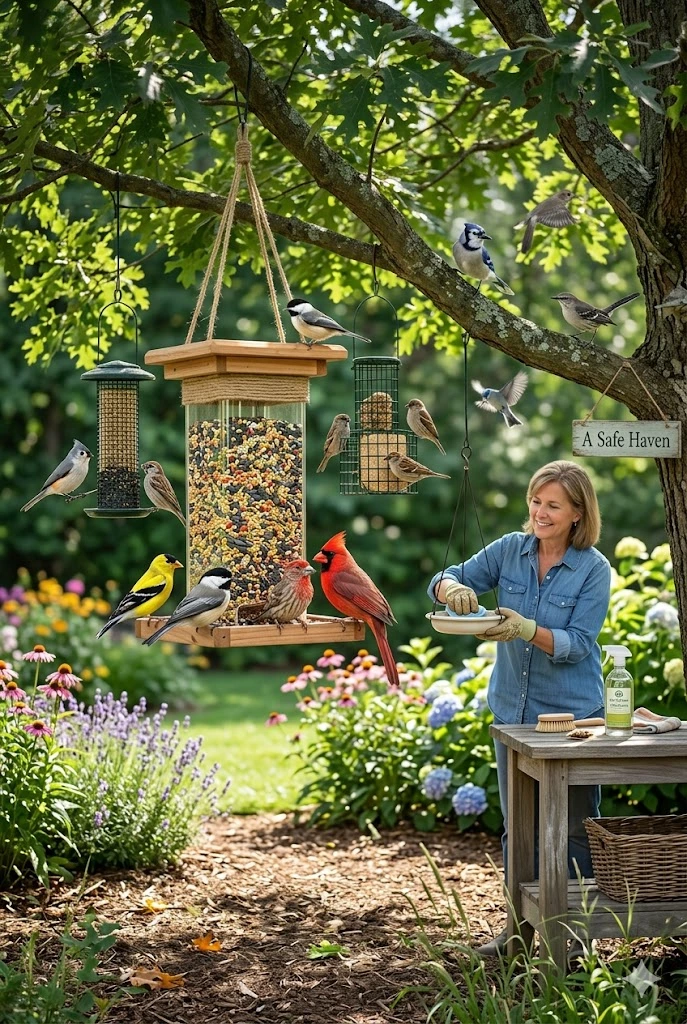
Common Mistakes to Avoid
As with any DIY project, there are pitfalls to watch out for. Here are some common mistakes to avoid:
- Using Salted Peanut Butter: Always opt for unsalted peanut butter, as salt can be harmful to birds.
- Ignoring Local Birds’ Preferences: Research which seeds attract local species to maximize your feeder’s effectiveness.
- Hanging Feeders Too Low: Place feeders high enough to avoid easy access for squirrels or other animals.
- Not Providing Fresh Food: Regularly check and replace old food to keep your feeders appealing and safe.
Frequently Asked Questions (FAQ)
What types of birds can I attract with pine cone feeders?
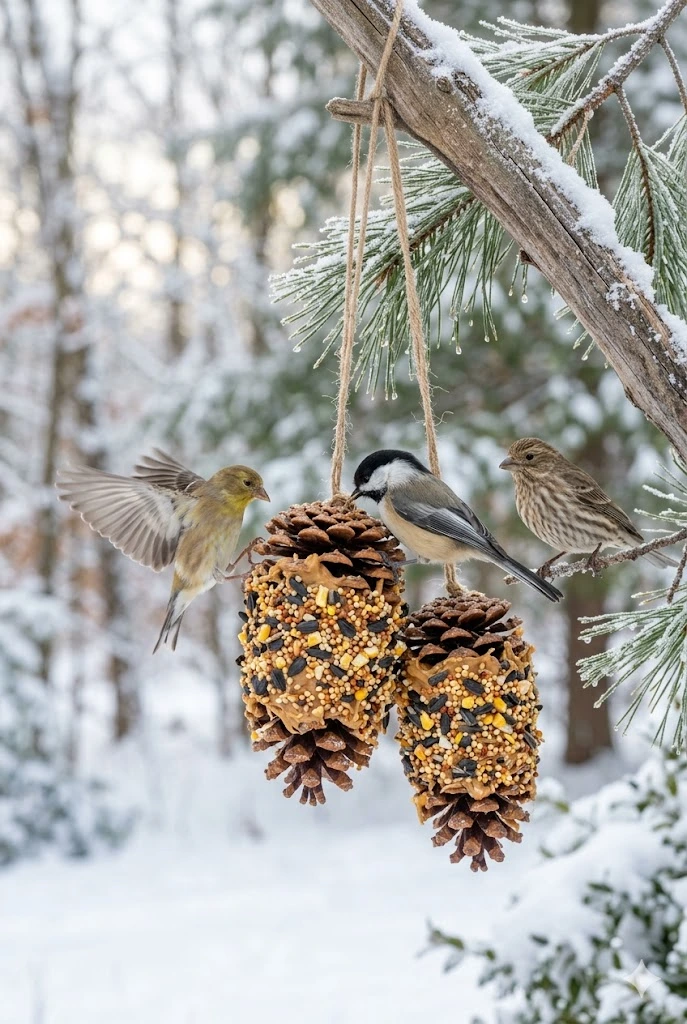
Pine cone feeders can attract various birds, including chickadees, finches, woodpeckers, and sparrows. The type of bird depends on the seeds used and local species.
How long will the bird feeders last?
The longevity of your pine cone bird feeders depends on weather conditions and how quickly birds consume the food. Generally, they can last several days to a week before needing a refill.
Can I use other nut butters instead of peanut butter?
Yes, other nut butters like almond or sunflower seed butter can be used, but ensure they are unsalted and free of additives.
Is it safe to use pine cones from my yard?
Yes, as long as the pine cones are clean and free from pesticides or chemicals. Avoid cones from treated wood areas.
How can I clean the feeders between refills?
Wipe the feeders with a damp cloth or rinse them under water to remove old food residues. Allow them to dry completely before reapplying peanut butter or seed.
Conclusion
Creating DIY pine cone bird feeders is an enjoyable and meaningful way to support wildlife during the cold winter months. This simple project not only fosters creativity and family bonding but also enhances the beauty of your garden as you observe the vibrant birds flocking to your handiwork. By providing these essential food sources, you’re playing a crucial role in wildlife conservation. So gather your materials, unleash your creativity, and enjoy the delightful experience of feeding our feathered friends!