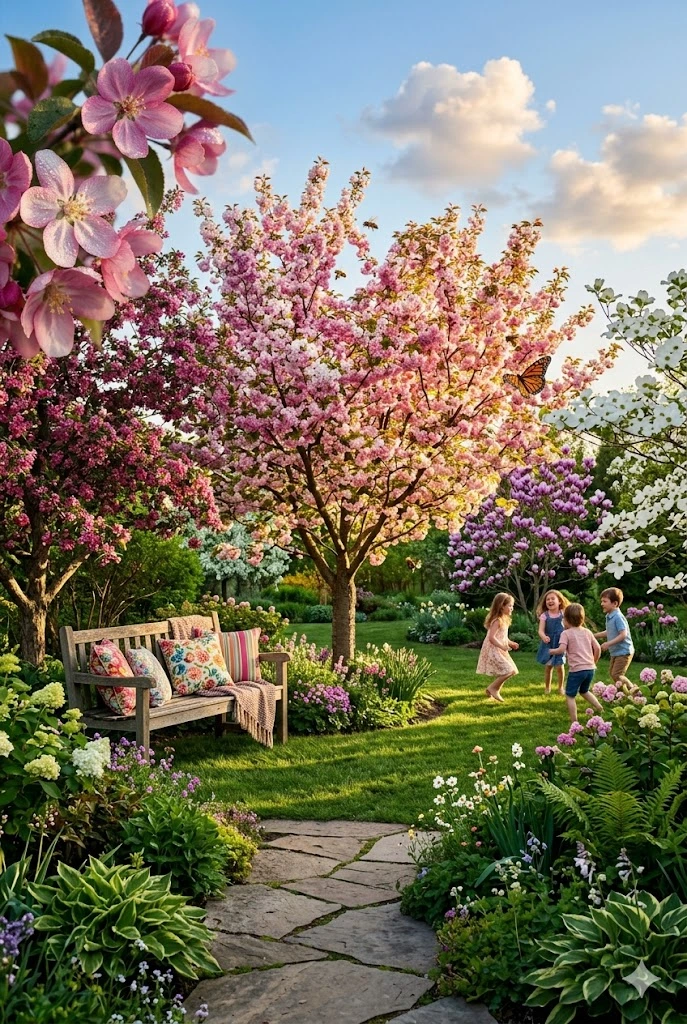
Imagine stepping into your yard and being greeted by the vibrant colors and fragrant scents of flowering trees. These magnificent plants not only add beauty to your landscape but also provide essential benefits like shade and wildlife habitats. Whether you’re looking to create a stunning focal point or add a touch of elegance, flowering trees can transform your outdoor space. In this guide, you’ll discover over 15 flowering trees that are perfect for most yards, their characteristics, and tips on how to care for them.
Quick Answer
Flowering trees like the Dogwood, Cherry Blossom, and Magnolia thrive in most yards, offering stunning blooms and various benefits. These trees are generally easy to maintain and adaptable to different soil types and climates.
Choosing the Right Flowering Trees
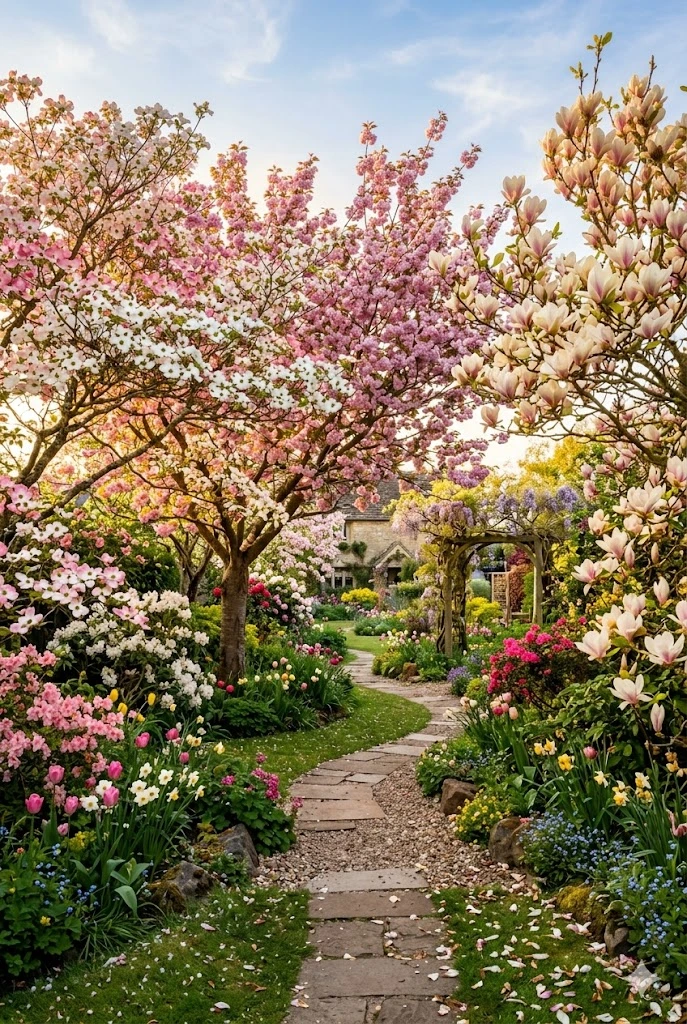
Before diving into specific types, let’s consider what makes a flowering tree suitable for your yard. Factors like climate, soil type, and available space play crucial roles.
Climate Considerations
Understanding your USDA hardiness zone is vital. Many flowering trees prefer specific climates, so check your zone before planting.
Soil Type
Well-draining soil is essential for flowering trees. Most prefer loamy or sandy soil, but some can adapt to clay.
Available Space
Consider the mature size of the tree. Some trees require ample space to spread their roots and canopy, while others can thrive in smaller areas.
15+ Flowering Trees That Thrive in Most Yards
1. Flowering Dogwood (Cornus florida)
Known for its stunning white or pink blooms, the Flowering Dogwood is a popular choice. It thrives in well-drained soil and partial shade.
- Height: 15-30 feet
- Bloom Time: Spring
- Pro Tip: Prune after flowering to maintain shape.
2. Eastern Redbud (Cercis canadensis)
This tree produces beautiful pink-purple flowers in early spring. It grows well in various soil types and prefers full sun to partial shade.
- Height: 20-30 feet
- Bloom Time: Early Spring
- Pro Tip: Mulch to retain moisture during dry spells.
3. Japanese Cherry Blossom (Prunus serrulata)
Famous for its breathtaking spring blossoms, the Japanese Cherry Blossom is a stunning addition to any yard. It requires full sun and well-drained soil.
- Height: 15-25 feet
- Bloom Time: Spring
- Pro Tip: Regular watering is essential during dry periods.
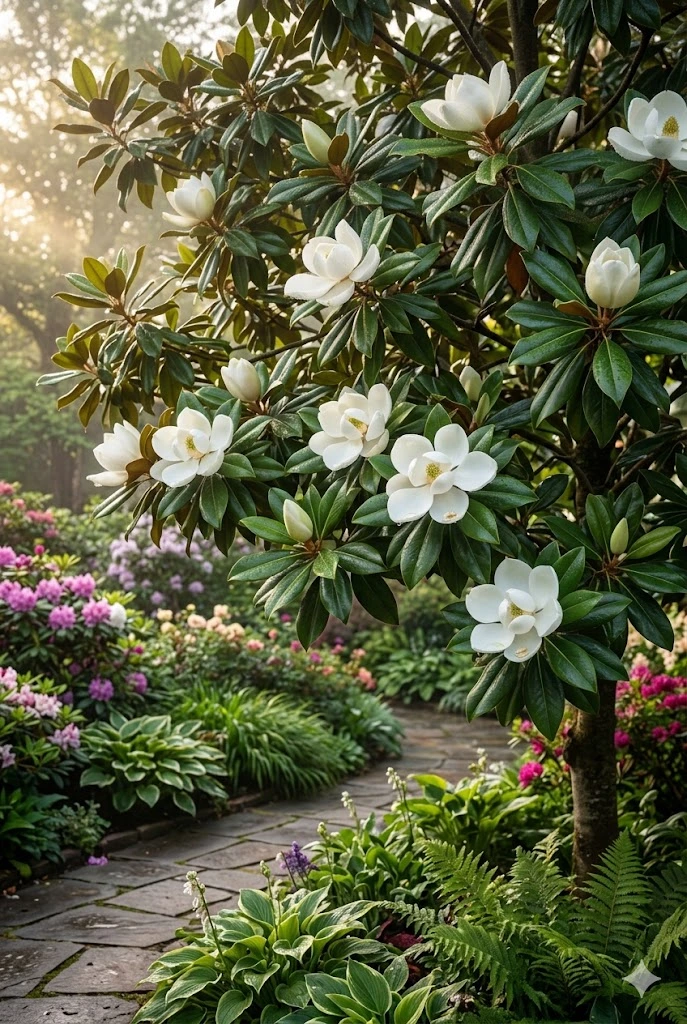
4. Magnolia (Magnolia spp.)
Magnolia trees are known for their large, fragrant flowers and glossy leaves. They thrive in full sun and rich, well-drained soil.
- Height: 20-80 feet (depending on species)
- Bloom Time: Late winter to spring
- Pro Tip: Fertilize in early spring for better blooms.
5. Red Maple (Acer rubrum)
Renowned for its brilliant red flowers in spring and vibrant fall foliage, the Red Maple is adaptable to various soils and conditions.
- Height: 40-60 feet
- Bloom Time: Early Spring
- Pro Tip: Ensure adequate water during hot summers.
6. Crabapple (Malus spp.)
Crabapples are celebrated for their stunning spring flowers and small, colorful fruits. They grow well in full sun and tolerate various soil types.
- Height: 15-25 feet
- Bloom Time: Spring
- Pro Tip: Prune to enhance air circulation and improve health.
7. Crape Myrtle (Lagerstroemia indica)
This tree is a summer favorite, offering vibrant blooms in various colors. It thrives in full sun and well-drained soil.
- Height: 15-30 feet
- Bloom Time: Summer
- Pro Tip: Deadhead spent flowers for prolonged blooming.
8. Golden Chain Tree (Laburnum anagyroides)
With its striking cascades of yellow flowers, the Golden Chain Tree is a showstopper. It prefers full sun and well-drained soil.
- Height: 20-30 feet
- Bloom Time: Late spring to early summer
- Pro Tip: Be cautious; all parts of the tree are toxic if ingested.
9. Tulip Tree (Liriodendron tulipifera)
Characterized by its unique tulip-shaped flowers, this tree is fast-growing and thrives in full sun and rich soil.
- Height: 70-90 feet
- Bloom Time: Late spring
- Pro Tip: Provides excellent shade when mature.
10. American Basswood (Tilia americana)
This native tree features fragrant flowers that attract pollinators. It grows well in a variety of soils and needs full sun to partial shade.
- Height: 50-80 feet
- Bloom Time: Early summer
- Pro Tip: Its dense canopy provides great shade.
11. Horse Chestnut (Aesculus hippocastanum)
Known for its large, white flower clusters, the Horse Chestnut is a majestic tree that thrives in well-drained soil and full sun.
- Height: 50-75 feet
- Bloom Time: Late spring
- Pro Tip: Watch for pests like leaf blotch.
12. Fringetree (Chionanthus virginicus)
This tree is admired for its delicate, fringe-like white flowers. It prefers well-drained soil and part shade.
- Height: 12-30 feet
- Bloom Time: Late spring
- Pro Tip: Minimal pruning is needed; just remove dead wood.
13. Sweetbay Magnolia (Magnolia virginiana)
With its fragrant white flowers, the Sweetbay Magnolia is perfect for moist areas. It thrives in full sun to partial shade.
- Height: 10-30 feet
- Bloom Time: Late spring to summer
- Pro Tip: Ideal for planting near water features.
14. Persian Ironwood (Parrotia persica)
This versatile tree showcases beautiful fall color and unique bark. It thrives in well-drained soil and full sun.
- Height: 20-40 feet
- Bloom Time: Early spring
- Pro Tip: Prune to maintain shape and encourage growth.
15. Yellowwood (Cladrastis kentukea)
Known for its stunning yellow flowers and fragrant blooms, Yellowwood is a rare beauty. It prefers well-drained soil and full sun.
- Height: 30-50 feet
- Bloom Time: Late spring
- Pro Tip: Ideal for larger properties due to its size.
Expert Tips for Caring for Flowering Trees
To ensure your flowering trees thrive, follow these essential care tips:
- Watering: Regular watering is crucial, especially during dry spells. Deep watering encourages root growth.
- Mulching: Apply mulch around the base to retain moisture and suppress weeds.
- Fertilization: Use a balanced fertilizer in early spring to promote healthy growth.
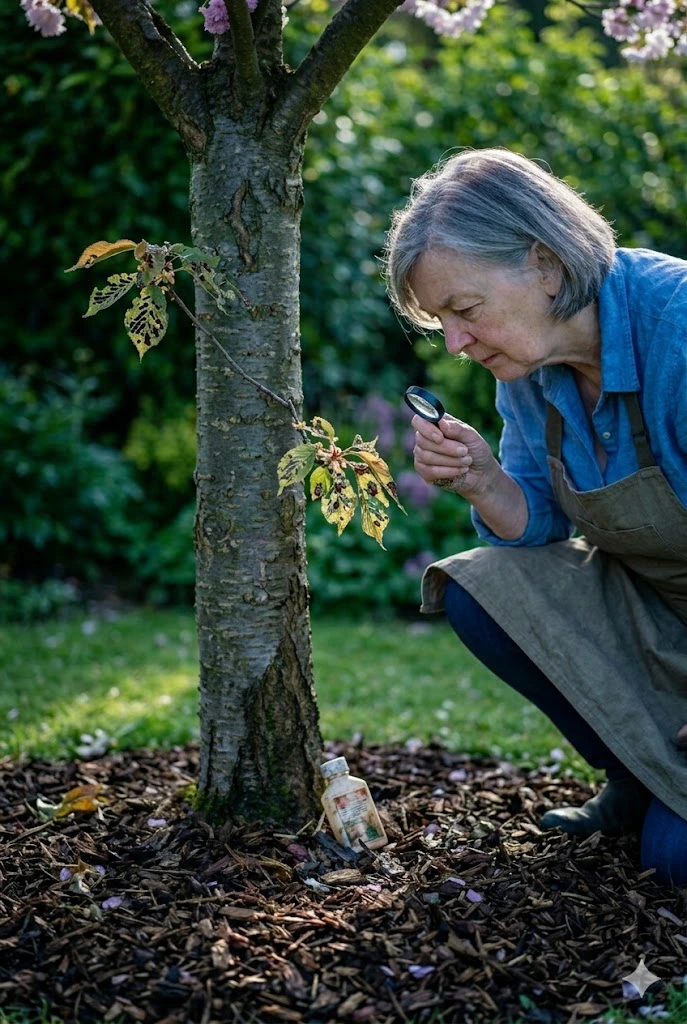
- Pruning: Prune at the right time to maintain shape and remove dead or diseased branches.
- Pest Management: Keep an eye out for pests and diseases; early intervention is key.
Common Questions
What is the best time to plant flowering trees?
The best time to plant flowering trees is in the spring or early fall when the weather is cooler, and the soil is moist.
How much sunlight do flowering trees need?
Most flowering trees prefer full sun, which means at least 6 hours of direct sunlight per day, but some can tolerate partial shade.
Do flowering trees require special soil?
Flowering trees thrive in well-drained soil. While many prefer loamy or sandy soils, some can adapt to clay.
How long does it take for a flowering tree to bloom?
Flowering trees can take anywhere from 3 to 10 years to bloom, depending on the species and growing conditions.
Can I grow flowering trees in pots?
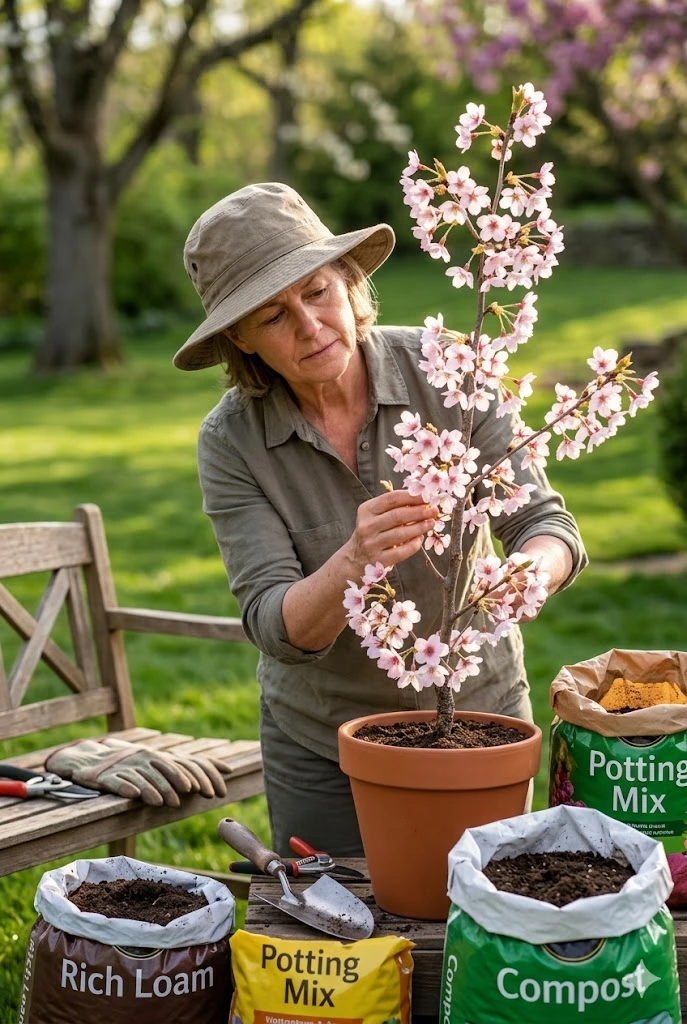
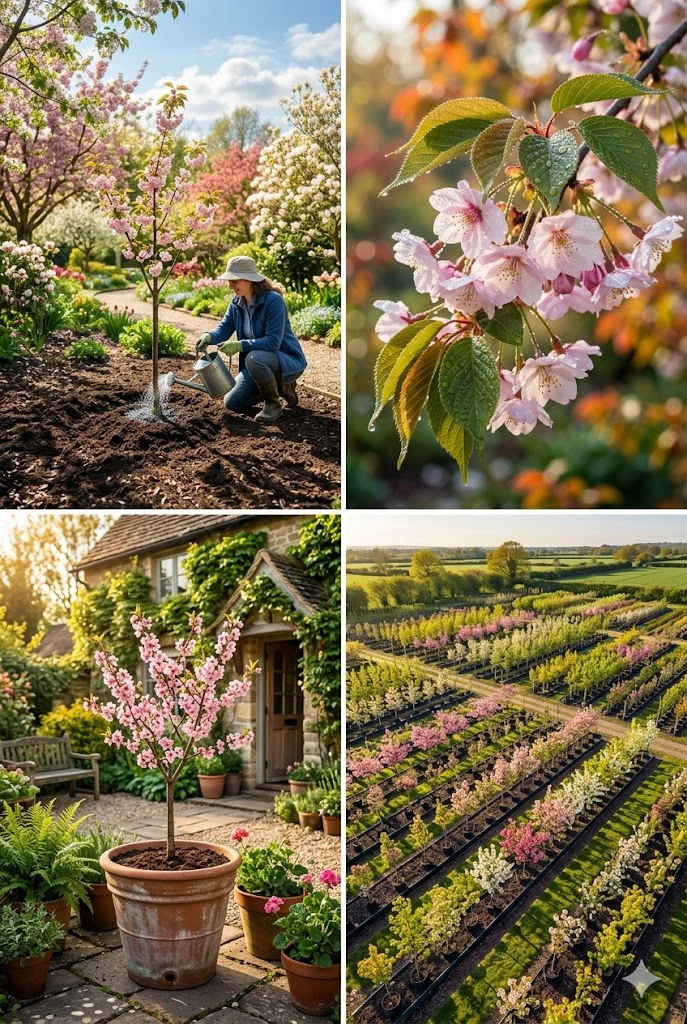
Yes, many smaller flowering trees can be grown in pots, but ensure the pot is large enough for root growth and provide adequate drainage.
Conclusion
Incorporating flowering trees into your yard can create a beautiful and inviting atmosphere. They not only provide stunning visual appeal but also enrich your garden’s ecosystem. By choosing the right species for your climate and caring for them properly, you’ll enjoy their beauty for years to come. So go ahead, plant a flowering tree and watch your outdoor space transform into a vibrant paradise!