Snake plants, also known as Sansevieria or mother-in-law’s tongue, are beloved for their striking appearance and hardiness. Many plant enthusiasts wonder if these resilient plants can thrive outdoors. While snake plants are adaptable and can tolerate a range of conditions, their success outside largely depends on the climate. Let’s dive into the nuances of growing snake plants outdoors, including environmental requirements, care tips, and common pitfalls.
Can Snake Plants Live Outside?
Yes, snake plants can live outside, but specific conditions must be met for them to thrive. These plants are native to tropical regions, which means they prefer warm temperatures and indirect sunlight. If your outdoor environment mimics these conditions, your snake plants can flourish. However, it’s essential to consider the climate and other factors that influence their growth.
Understanding the Ideal Climate for Snake Plants
Snake plants are quite versatile, but they have distinct preferences when it comes to climate. Here’s a breakdown of the optimal conditions for outdoor growth:
Temperature Preferences
- Warm Weather: Snake plants thrive in temperatures ranging from 60°F to 80°F (15°C to 27°C). They are not frost-tolerant, so temperatures below 50°F (10°C) can harm them.
- Heat Tolerance: While they can withstand high temperatures, consistent exposure to extreme heat (over 90°F or 32°C) can lead to stress. Ensure they have some shade during the hottest part of the day.
Sunlight Requirements
- Indirect Light: Snake plants prefer bright, indirect sunlight. Direct sunlight can scorch their leaves, causing brown tips.
- Shaded Areas: They can also tolerate low-light conditions, making them perfect for partially shaded patios or balconies.
Humidity Levels
Snake plants can adapt to various humidity levels, but they prefer moderate humidity. Extremely high humidity can lead to fungal issues, while very dry conditions may cause leaf curling. If you live in a very humid area, ensure adequate airflow around your plants.
Preparing Your Snake Plants for Outdoor Life
Before moving your snake plants outside, take some precautions to ensure they acclimate well:
1. Gradual Acclimatization
Transition your snake plants slowly from indoors to outdoors. Start by placing them outside for a few hours each day, gradually increasing the duration over a week or two. This helps them adjust to the new light and temperature conditions.
2. Choosing the Right Location
Select a spot that meets their light and temperature needs. A shaded area with dappled sunlight is ideal. Avoid placing them near direct afternoon sun or in areas prone to cold drafts.
3. Soil and Drainage
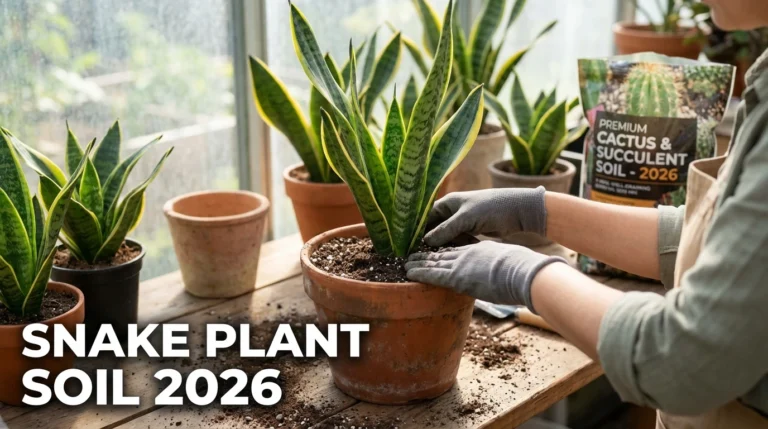
Ensure your snake plants are in well-draining soil. A cactus or succulent mix works best. Proper drainage is crucial to prevent root rot, especially if it rains frequently in your area.
Care Tips for Outdoor Snake Plants
Once your snake plants are comfortably settled outside, proper care will ensure they thrive:
Watering Practices
- Infrequent Watering: Snake plants are drought-tolerant. Water them only when the top inch of soil feels dry. Overwatering can lead to root rot.
- Adjust for Rain: If you live in a region with regular rainfall, monitor soil moisture and adjust your watering schedule accordingly.
Fertilization
During the growing season (spring and summer), you can fertilize your snake plants with a balanced, diluted fertilizer every few months. Avoid fertilizing in the fall and winter when growth slows.
Pest Management
Outdoor snake plants can attract pests. Check regularly for signs of mealybugs, spider mites, and aphids. Use insecticidal soap or neem oil for treatment if you notice infestations.
Common Mistakes to Avoid
Even seasoned gardeners can make mistakes when growing snake plants outside. Here are some common pitfalls to watch out for:
- Ignoring Temperature Drops: Be vigilant about nighttime temperatures. If it drops below 50°F (10°C), bring your snake plants back indoors.
- Overwatering: This is the most common mistake. Always check soil moisture before watering.
- Exposing to Direct Sunlight: Avoid placing them in full sun, especially during the hottest parts of the day.
Special Considerations for Different Climates
The adaptability of snake plants varies with different climates. Here’s how to care for them in specific environments:
Tropical and Subtropical Climates
In tropical regions, snake plants can thrive outdoors year-round. Ensure they have some shade during the hottest months and monitor for humidity-related issues.
Temperate Climates
In temperate zones, snake plants can be outdoors during the warmer months but should be brought indoors before the first frost. A greenhouse or sunroom can be an excellent alternative for winter care.
Desert Climates
In desert regions, snake plants can grow outdoors but require more shade to prevent sunscald. Regular watering is necessary, but ensure the soil drains well to avoid waterlogging.
Ideas for Decorating with Snake Plants Outdoors
Integrating snake plants into your outdoor space can create a lush, inviting atmosphere. Here are some creative ideas:
- Patio Accents: Use snake plants in decorative pots on your patio or balcony for a vibrant touch.
- Border Planting: Line pathways or garden beds with snake plants for a striking visual effect.
- Vertical Gardens: Incorporate snake plants into vertical planters for a modern, space-saving solution.
- Mixed Planters: Combine snake plants with other drought-tolerant succulents for a dynamic arrangement.
- Entryway Statements: Place snake plants near your front door for a welcoming vibe.
Expert Tips for Thriving Snake Plants Outdoors
Here are some insider tips to ensure your snake plants flourish:
- Rotate Regularly: Rotate your snake plants every few weeks to ensure even growth and exposure to sunlight.
- Use Proper Containers: If using pots, ensure they have drainage holes to prevent water accumulation.
- Monitor for Stress Signs: Look for signs of stress, like drooping leaves or discoloration, and adjust care accordingly.
Common Questions About Snake Plants Outdoors
Can snake plants survive winter outdoors?
No, snake plants are not frost-tolerant. It’s best to bring them indoors before temperatures drop below 50°F (10°C).
How much sunlight do snake plants need outside?
Snake plants prefer bright, indirect sunlight. Direct sunlight can damage their leaves, so partial shade is ideal.
How often should I water snake plants outdoors?
Water snake plants only when the top inch of the soil is dry. Overwatering can cause root rot.
What pests should I watch for on outdoor snake plants?
Common pests include mealybugs, spider mites, and aphids. Regularly check for signs of infestation and treat promptly.
Can snake plants grow in full shade?
While they can tolerate low light, they thrive best in bright, indirect light. Full shade may hinder their growth.
Conclusion
Growing snake plants outdoors can be a rewarding experience when the right conditions are met. By understanding their climate preferences and providing proper care, you can enjoy these resilient plants in your outdoor spaces. Whether you’re in a tropical paradise or a temperate zone, with a little attention, your snake plants can thrive and bring beauty to your garden. Embrace the journey of outdoor gardening with snake plants, and watch them flourish in the sun!