As a cat owner, you naturally want to create a safe and inviting environment for your furry friends. You may have heard of bougainvillea, a vibrant and stunning flowering plant that can add color to your garden or home. However, you might be concerned about its safety, especially if your curious kitty is known for nibbling on plants. Understanding whether bougainvillea is poisonous to cats is essential for keeping your pets safe while enjoying the beauty of this tropical plant.
Quick Answer
Bougainvillea is not considered toxic to cats. However, ingestion may cause mild gastrointestinal upset, such as vomiting or diarrhea. It’s always best to monitor your pets around any plants and consult your veterinarian if you have concerns.
Understanding Bougainvillea
Bougainvillea is a genus of thorny ornamental vines native to South America. Known for its stunning, vibrant bracts that surround small white flowers, this plant is a favorite among gardeners and decorators. Here are some key points to know about bougainvillea:
- Variety of Colors: Bougainvillea comes in a range of colors, including pink, purple, red, orange, and white.
- Growing Conditions: It thrives in warm climates and prefers well-drained soil and full sunlight.
- Maintenance: Bougainvillea requires regular pruning to maintain its shape and promote blooming.
Are Bougainvillea Plants Toxic to Cats?
When it comes to the safety of bougainvillea for your feline friends, the good news is that it is not classified as toxic to cats. The ASPCA (American Society for the Prevention of Cruelty to Animals) lists bougainvillea as non-toxic, meaning it won’t cause severe reactions if ingested. However, there are still a few considerations to keep in mind:
Potential Risks of Ingestion
Although bougainvillea isn’t poisonous, cats may experience mild gastrointestinal upset if they munch on the leaves or flowers. Symptoms can include:
- Vomiting
- Diarrhea
- Loss of appetite
If your cat shows any of these signs after consuming bougainvillea, it’s always a good idea to consult your veterinarian for guidance.
Why Do Cats Eat Plants?
As a cat owner, you might wonder why your feline friend feels the need to munch on plants, including bougainvillea. Here are some common reasons:
- Curiosity: Cats are naturally curious creatures. They often explore their surroundings by tasting different items, including plants.
- Fiber Needs: Some experts suggest that cats may eat plants to fulfill their dietary fiber needs, aiding in digestion.
- Playfulness: Bougainvillea’s texture and movement can intrigue cats, prompting them to play and nibble on the leaves.
Creating a Cat-Friendly Garden
If you’re a gardening enthusiast but also want to keep your cat safe, consider these tips for creating a cat-friendly garden:
Choose Non-Toxic Plants
Incorporate plants that are known to be safe for cats. Some popular non-toxic options include:
- Catnip
- Spider plants
- Boston ferns
- Areca palms
Designated Cat Area
Create a specific area in your garden where your cat can roam safely. Use barriers or decorative fencing to keep them away from potentially harmful plants.
Monitor Plant Growth
Regularly check your bougainvillea and other plants for any signs of pests or disease. Keeping your plants healthy will help reduce any chance of your cat getting sick from ingestion.
Common Plants That Are Toxic to Cats
While bougainvillea is safe, it’s essential to be aware of plants that are harmful to cats. Some common toxic plants include:
- Lilies: All parts of this plant are extremely toxic and can cause severe kidney damage.
- Aloe Vera: Ingestion can lead to vomiting, diarrhea, and lethargy.
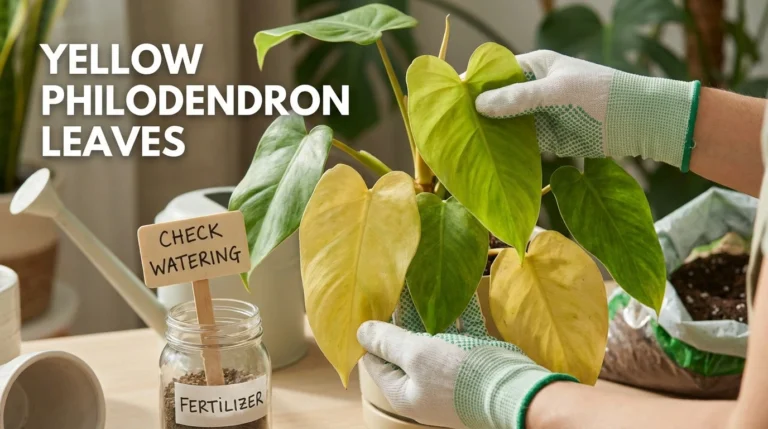
- Philodendron: Causes oral irritation, vomiting, and difficulty swallowing.
Familiarizing yourself with these plants can help you maintain a safe environment for your pet.
Expert Tips for Managing Bougainvillea Around Cats
If you have bougainvillea in your home or garden, here are some expert tips to ensure your cat stays safe:
1. Prune Regularly
Keep your bougainvillea well-pruned to minimize the chances of your cat nibbling on it. Regular pruning can also promote healthier growth and more vibrant blooms.
2. Use Deterrents
To discourage your cat from approaching the bougainvillea, consider using natural deterrents. Citrus scents, for example, are known to repel cats.
3. Provide Alternatives
Offer your cat safe plants and grasses to chew on, such as cat grass or catnip. This can help satisfy their curiosity and fiber needs without harming them.
4. Keep an Eye on Their Behavior
Monitor your cat’s interaction with plants, including bougainvillea. If you notice excessive nibbling, it may be time to redirect their attention.
FAQs About Bougainvillea and Cats
Is bougainvillea safe for all pets?
Bougainvillea is non-toxic to cats and dogs, but it’s always a good idea to monitor your pets around any plants.
What should I do if my cat eats bougainvillea?
If your cat ingests bougainvillea and shows signs of gastrointestinal upset, contact your veterinarian for advice.
Can bougainvillea cause allergic reactions in cats?
While rare, some cats may have allergies to certain plants. Watch for symptoms like itching, swelling, or respiratory issues after exposure.
How do I make my garden safe for my cat?
Choose non-toxic plants, create designated areas for your cat, and monitor plant growth to maintain a safe environment.
Are there any benefits to having bougainvillea around?
Bougainvillea adds beauty and color to your garden and can attract pollinators, contributing to a healthy ecosystem.
Conclusion
Bougainvillea can be a stunning addition to your garden or home without posing a significant threat to your feline companions. While not toxic, it’s wise to keep an eye on your cat’s behavior to prevent any mild gastrointestinal issues. By choosing safe plants, monitoring your garden, and providing alternatives, you can create an inviting space that both you and your pets will enjoy. With a little care and attention, your garden can be a beautiful sanctuary for all. Happy gardening!