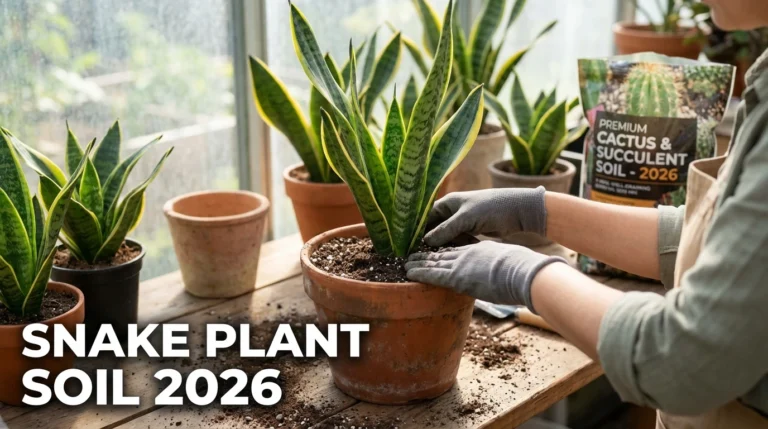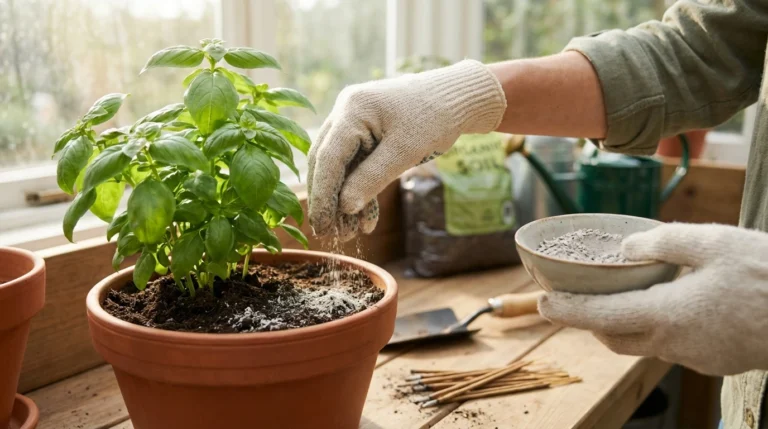
Have you ever struggled with heavy, compacted soil that just won’t allow your plants to thrive? You’re not alone! Many gardeners face the challenge of improving soil drainage and aeration to create the perfect environment for their plants. Adding grit to your soil is a proven method to enhance its structure, allowing roots to breathe and water to flow. Let’s explore three effective methods to incorporate grit into your garden soil, ensuring your plants receive the best possible start.
Quick Answer
To add grit to soil effectively, you can mix in coarse sand, perlite, or crushed stone. Each method improves drainage and aeration, helping your plants grow healthier and stronger. Aim to incorporate these materials based on your specific soil needs and plant types.
Understanding Soil Structure
Before diving into the methods, it’s crucial to understand why grit is beneficial for your soil. Soil structure plays a vital role in plant health. Compacted soil can lead to poor drainage, root rot, and stunted growth. Grit helps break up heavy soils, enhances aeration, and improves drainage, making it easier for plant roots to access nutrients and water.
What is Grit?
Grit refers to coarse materials added to soil to improve its physical properties. Common types of grit include:
- Coarse Sand: Helps with drainage and aeration.
- Perlite: A volcanic glass that improves aeration without adding weight.
- Crushed Stone or Gravel: Provides excellent drainage and stability.
Method 1: Mixing in Coarse Sand
One of the most accessible ways to add grit to your soil is by incorporating coarse sand. This method is particularly effective for clay-heavy soils that retain too much moisture.
Steps to Add Coarse Sand
- Test Your Soil: Before adding sand, test your soil to determine its texture and drainage capacity.
- Choose the Right Sand: Use coarse sand, not fine sand, as it will provide better drainage.
- Calculate the Amount: A general rule is to mix one part sand to two parts soil. However, this can vary based on the existing soil structure.
- Mix Thoroughly: Spread the coarse sand over the soil surface and mix it in well using a garden fork or tiller.
- Water After Application: Water the soil to help the sand settle and integrate with the existing soil.
Benefits of Adding Coarse Sand
- Improves drainage and prevents waterlogging.
- Enhances aeration, allowing roots to breathe.
- Helps break up compacted clay soils.
Method 2: Incorporating Perlite
Perlite is another fantastic option for adding grit to your soil. It’s lightweight, making it easy to mix and transport. Perlite not only improves drainage but also retains moisture, which is crucial for plant health.
Steps to Add Perlite
- Choose Quality Perlite: Opt for horticultural-grade perlite for the best results.
- Determine the Amount: Mix perlite at a ratio of 1:3 with soil. Adjust this based on your drainage needs.
- Mix Uniformly: Spread the perlite evenly on the soil surface and mix it in thoroughly.
- Check Moisture Levels: After mixing, water the soil to ensure proper moisture retention and perlite settling.
Benefits of Adding Perlite
- Reduces soil compaction and enhances aeration.
- Improves drainage without adding weight.
- Helps maintain moisture balance for plants.
Method 3: Using Crushed Stone or Gravel
If you’re dealing with particularly heavy or clayey soil, crushed stone or gravel can be an effective solution. This method is especially beneficial for creating a solid foundation in garden beds or pathways.
Steps to Add Crushed Stone or Gravel
- Select the Right Material: Choose crushed stone that is angular rather than rounded, as this allows for better compaction.
- Calculate Amount Needed: Aim for a layer of 1-2 inches above the soil surface, depending on your soil’s drainage needs.
- Spread Evenly: Distribute the crushed stone or gravel across the soil surface.
- Mix it In: Use a rake or hoe to mix the crushed stone into the top few inches of soil.
- Compact the Surface: Gently compact the soil to ensure the stones are well-integrated.
Benefits of Adding Crushed Stone or Gravel
- Significantly improves drainage and prevents water pooling.
- Provides a stable base for plants and pathways.
- Reduces soil erosion and helps maintain soil structure.
Expert Tips for Adding Grit to Soil
Here are some insider tips to enhance your soil improvement efforts:
- Test Your Soil: A soil test kit can help determine pH levels and nutrient content, guiding your grit choice.
- Monitor Watering: After adding grit, adjust your watering schedule to accommodate improved drainage.
- Consider Organic Matter: Mixing organic matter, like compost, with grit can enhance soil fertility.
- Be Patient: Soil improvement takes time. Allow your plants to adjust and monitor their growth.
Common Questions
1. How much grit should I add to my soil?
Generally, a mix of one part grit to two parts soil is a good starting point, but this can vary based on your soil type and drainage needs.
2. Can I use fine sand instead of coarse sand?
No, fine sand can lead to further compaction. Always opt for coarse sand to improve drainage effectively.
3. Is perlite safe for all plants?
Yes, perlite is safe for most plants. It’s particularly beneficial for those that prefer well-draining soil.
4. Can I mix different types of grit?
Absolutely! Mixing different types of grit can offer a combination of benefits, enhancing both drainage and aeration.
5. How often should I add grit to my soil?
Reassess your soil every few years. If you notice drainage issues or compaction, consider adding more grit.
Conclusion
Improving soil structure by adding grit is a simple yet effective way to promote healthy plant growth. By mixing in coarse sand, perlite, or crushed stone, you can enhance drainage and aeration, creating a thriving environment for your garden. Remember, the key is to assess your soil’s specific needs and adjust your grit additions accordingly. So grab your gardening tools, roll up your sleeves, and give your plants the best chance to flourish!