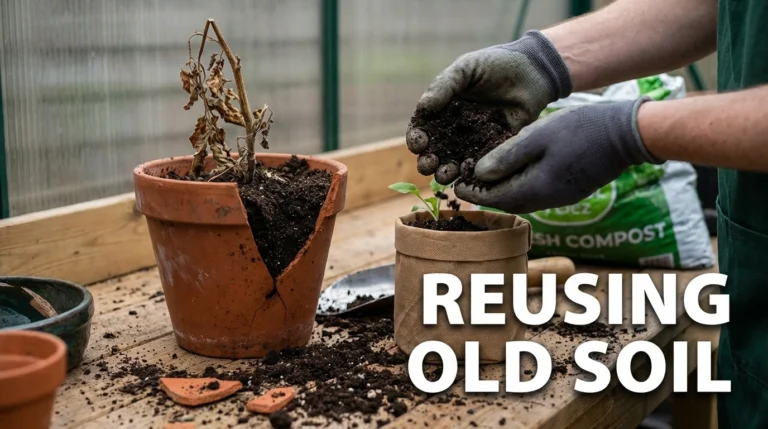
Have you ever found yourself staring at a wilted or dead plant, wondering what to do with the soil it’s sitting in? It’s a common dilemma for gardeners, especially those who hate to waste resources. Many of us know that soil can be a valuable asset, but can you really reuse soil from a dead plant? This question sparks curiosity and concern about plant health, soil quality, and sustainability. Let’s dig deep into the topic to explore whether it’s safe and beneficial to give that soil a second chance.
Quick Answer
Yes, you can reuse soil from a dead plant, but it requires proper assessment and treatment. Before reusing, ensure the soil is free from pathogens and pests, and consider amending it with nutrients to restore its quality.
Understanding Soil Composition
To make an informed decision about reusing soil, it’s essential to understand what soil consists of. Healthy soil comprises minerals, organic matter, air, and water. Each component plays a crucial role in supporting plant life. Here’s a breakdown of these components:
- Minerals: These are the building blocks of soil and provide essential nutrients for plants.
- Organic Matter: Decomposed plant and animal materials enrich the soil, improving its structure and nutrient content.
- Air: Soil must contain air pockets to allow roots to breathe.
- Water: Essential for plant growth, water must be retained in the soil for proper hydration.
Why Do Plants Die?
Understanding the reasons behind a plant’s demise can help you figure out whether its soil can be reused. Here are some common causes of plant death:
Pests and Diseases
Plants can succumb to various pests or diseases, which can linger in the soil. Common culprits include:
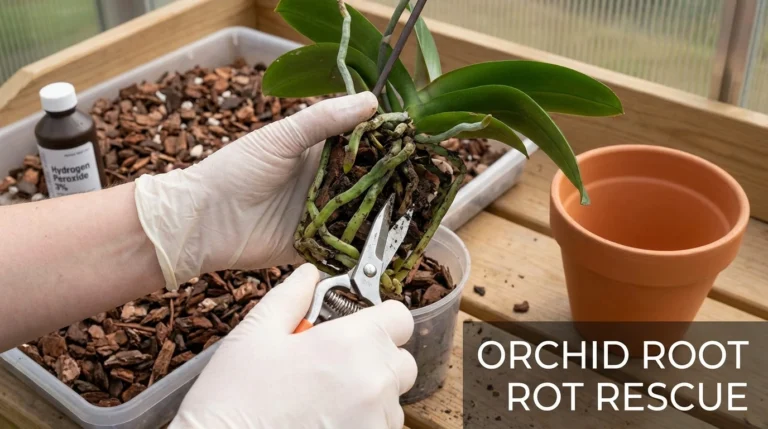
- Fungal infections: Such as root rot, can thrive in the soil.
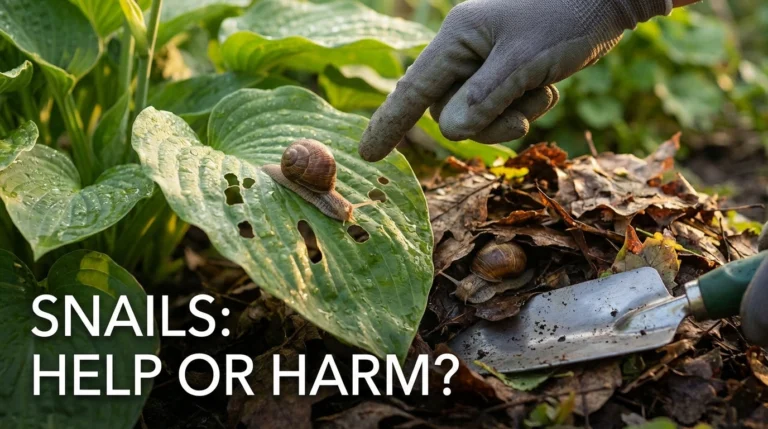
- Insect infestations: Pests like aphids or whiteflies might leave behind eggs or larvae.
Nutrient Deficiency
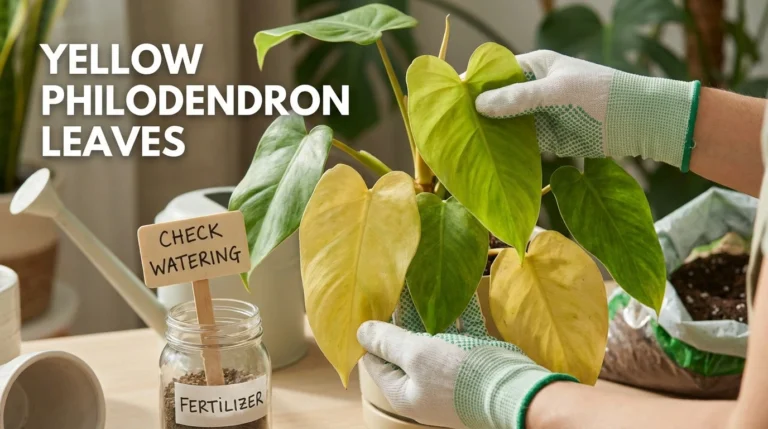
Sometimes, plants die due to a lack of essential nutrients. If your soil was depleted of nutrients, it may require amendment before reuse.
Environmental Factors
Factors like overwatering, underwatering, or insufficient light can also lead to plant death, indicating that soil conditions may need adjustment.
Assessing the Soil Quality
Before reusing soil, conduct a thorough assessment. Here’s how to evaluate its quality:
Visual Inspection
Start by examining the soil for signs of problems:
- Color: Healthy soil is dark brown or black, indicating a good organic matter content.
- Texture: Crumbling soil is usually a sign of good structure, while compacted soil can indicate poor drainage.
- Odor: A foul smell may suggest the presence of decay or pathogens.
Soil Testing
For a more scientific approach, consider conducting a soil test to determine its pH and nutrient levels. Many garden centers and universities offer soil testing services. This can help you understand what amendments are needed.
How to Reuse Soil from a Dead Plant
If you’ve decided to reuse the soil, follow these steps to prepare it for new plants:
1. Remove Any Debris
Start by clearing out any dead plant material, roots, and leaves. This helps prevent the spread of disease and pests.
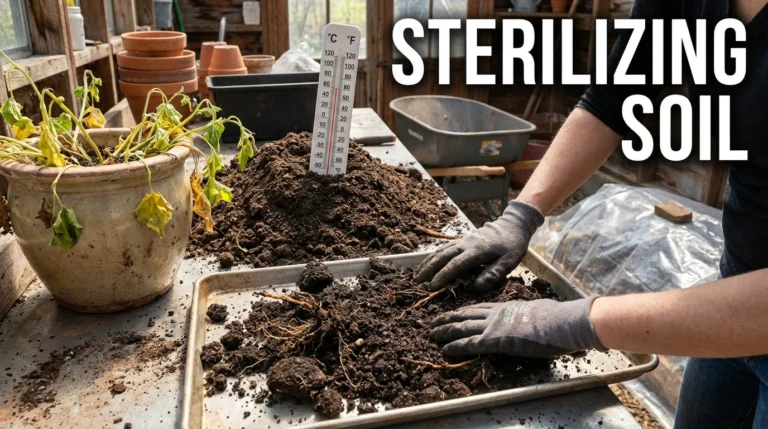
2. Sterilize the Soil
To eliminate pathogens and pests, consider sterilizing the soil. You can do this by:
- Oven Method: Spread the soil on a baking tray and heat it in the oven at 180°F (82°C) for about 30 minutes.
- Microwave Method: Place damp soil in a microwave-safe container and heat for 90 seconds per pound of soil.
3. Amend the Soil
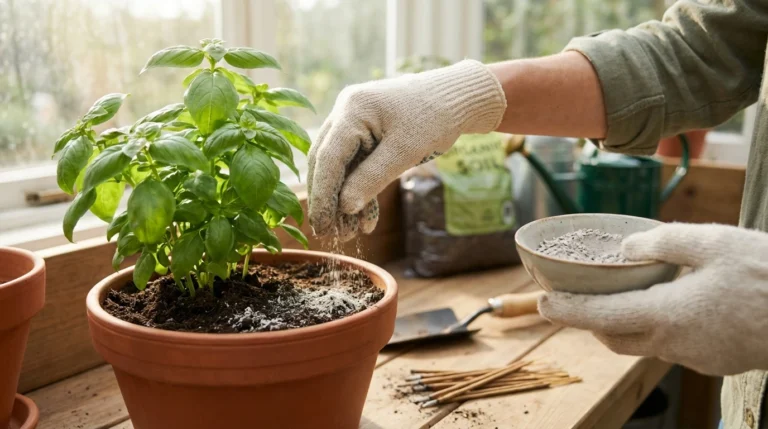
After sterilization, enrich the soil with organic matter and nutrients:
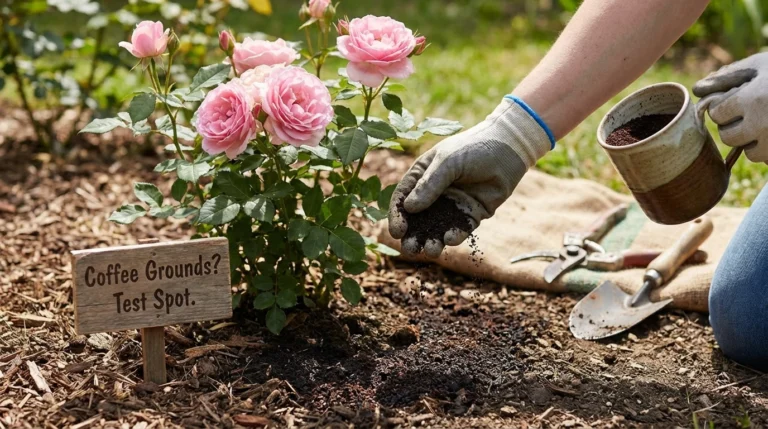
- Compost: Adding well-decomposed compost will enhance nutrient levels.
- Fertilizers: Use a balanced fertilizer according to the soil test results.
4. Mix Thoroughly
Blend the amendments into the soil to ensure even distribution. This helps create a healthy environment for new plants.
Ideas for Reusing Soil
Reusing soil can be an inspiring and creative process. Here are some unique ideas to consider:
- Herb Garden Revival: Use the soil to start a fresh herb garden. Herbs are generally hardier and can thrive in rejuvenated soil.
- Container Gardening: Mix reused soil with new potting mix for container plants. This can save money and provide unique textures.
- Composting Mix: If the soil is still somewhat viable, consider adding it to your compost pile for nutrient enrichment.
- Vegetable Garden: Amend the reused soil with organic compost and plant a new crop of vegetables.
Expert Tips for Soil Reuse
Here are some insider tips to help you get the most out of reused soil:
- Rotate Crops: If you’re reusing soil for vegetables, practice crop rotation to prevent soil depletion and pest buildup.
- Watch for Signs: Keep an eye on new plants for any signs of stress or disease. Early detection can save your garden!
- Incorporate Cover Crops: Growing cover crops can improve soil structure and fertility during off-seasons.
Common Questions (FAQ)
Can I use soil from a plant that died from disease?
It’s best to avoid reusing soil from a plant that died from a disease, as pathogens may still be present. If you choose to reuse it, sterilization is crucial.
How often should I replace my potting soil?
It’s generally recommended to replace potting soil every 1-2 years, depending on the plants and their nutrient needs.
What can I do with soil from a dead plant if I don’t want to reuse it?
If you don’t wish to reuse it, consider adding it to your compost pile or using it as a base for garden beds, mixing it with fresh soil.
Can I use dead plant soil for starting seeds?
Reusing soil for starting seeds is possible, but ensure it’s well amended and sterilized to promote healthy growth.
Is it safe to use soil from a dead plant in my vegetable garden?
Yes, but only if the soil has been properly treated and tested for pathogens and nutrient levels to ensure a healthy environment for your vegetables.
Conclusion
Reusing soil from a dead plant can be a sustainable and resourceful gardening practice, as long as you take the necessary steps to ensure its safety and quality. With the right assessment, treatment, and amendments, you can breathe new life into that soil and help new plants thrive. Embrace the challenge, and let your gardening journey continue with renewed vigor!