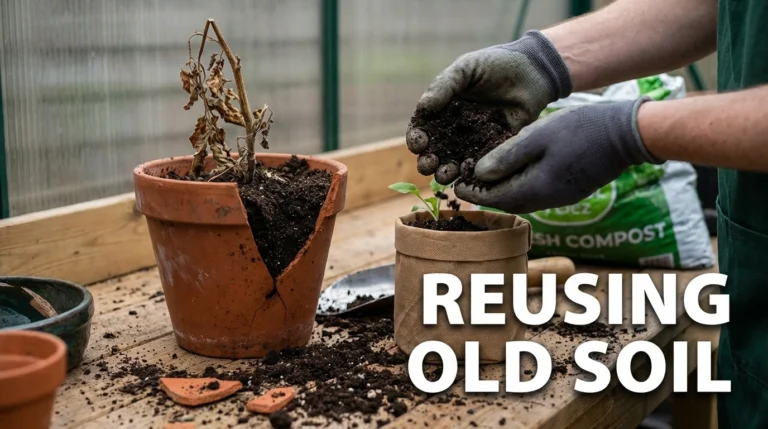
Dealing with root rot can be one of the most frustrating challenges for any gardener. After investing time and energy into nurturing your plants, discovering that they have succumbed to this common issue can feel disheartening. However, before you toss out the soil and start fresh, you might wonder: can you reuse soil that has been affected by root rot? The answer is yes, but it requires careful sterilization and a strategic approach to ensure your plants thrive in the future. In this article, we will explore the ins and outs of sterilizing soil, the techniques you can use, and how to prevent root rot from reoccurring.
Quick Answer
Yes, you can reuse soil that has root rot by sterilizing it to eliminate pathogens. Methods include heating the soil in an oven, using steam, or applying chemical sterilizers. Properly treated soil can support healthy plant growth again.
Understanding Root Rot
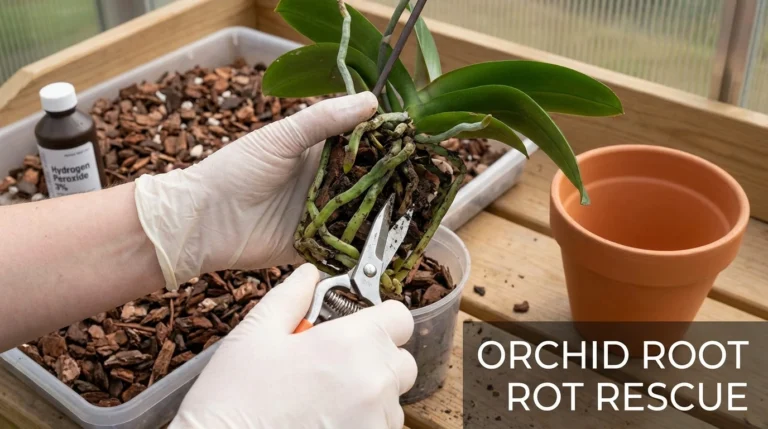
Before diving into soil sterilization, it’s crucial to understand what root rot is and why it occurs. Root rot is a fungal disease that affects the roots of plants, typically caused by overwatering or poorly draining soil. The fungi thrive in damp conditions, leading to the breakdown of root tissues. This not only hampers the plant’s ability to absorb water and nutrients but can also cause the entire plant to wilt or die.
Causes of Root Rot
- Overwatering: Excess water saturates the soil, creating an ideal environment for fungal growth.
- Poor Drainage: Soil that doesn’t drain well retains moisture, leading to root suffocation.
- Soil Quality: Using old or contaminated soil can introduce pathogens.
- Inadequate Air Circulation: Poor ventilation around plant roots can contribute to moisture buildup.
Assessing the Damage
Before you consider reusing your soil, you need to assess the extent of the root rot damage. Here are some indicators:
- Roots appear dark brown or black instead of white.
- Roots feel mushy or slimy rather than firm.
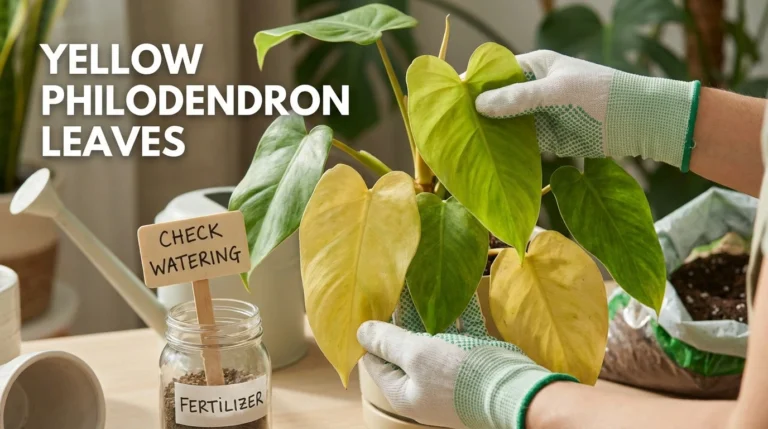
- Plants show signs of stress, such as wilting or yellowing leaves.
If you notice these signs, it’s essential to act quickly. You can salvage the soil, but first, you must treat the roots and the environment they were in.
Methods for Sterilizing Soil
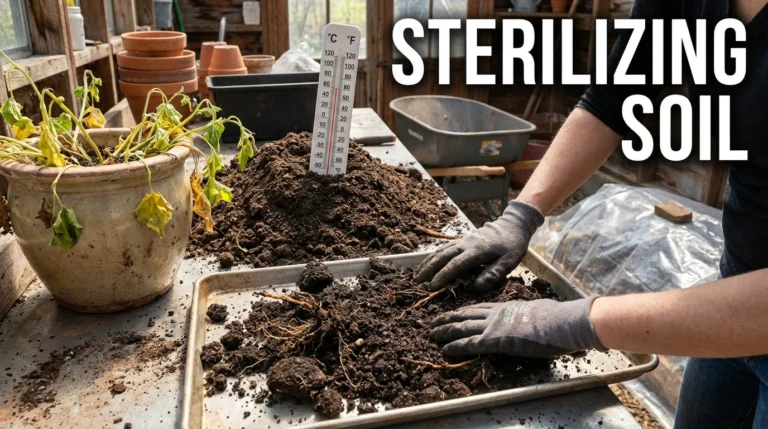
Once you’ve removed the affected plants and assessed the damage, you can sterilize the soil to eliminate any lingering pathogens. There are several effective methods to choose from:
1. Oven Sterilization
This is one of the most popular methods for sterilizing soil at home.
- Preheat your oven: Set it to 180-200°F (82-93°C).
- Prepare the soil: Spread the soil evenly in an oven-safe container.
- Cover the container: Use aluminum foil to cover it, preventing moisture loss.
- Sterilize: Place the container in the oven for about 30 minutes.
- Cool and store: Allow the soil to cool completely before using it.
2. Steam Sterilization
Steam sterilization is another effective method that can be done using a large pot and a steaming rack.
- Prepare your setup: Fill the pot with water and place the steaming rack inside.
- Add soil: Place the soil in a heatproof container on the rack.
- Cover and steam: Bring the water to a boil and steam the soil for 30 minutes.
- Cool it down: Allow the soil to cool before use.
3. Chemical Sterilization
For those who prefer a quicker method, chemical sterilizers can be an option. Products like hydrogen peroxide can effectively kill pathogens.
- Dilute hydrogen peroxide: Mix one part hydrogen peroxide with ten parts water.
- Moisten the soil: Gently apply the solution to the soil until it is damp but not soggy.
- Let it dry: Allow the soil to dry out completely before using it.
Note that while chemical sterilization can be effective, it may alter the soil’s pH and nutrient levels, so be sure to monitor your plants after using this method.
Preventing Future Root Rot
Once you’ve successfully sterilized the soil, it’s time to focus on preventing root rot from happening again. Here are some essential tips:
- Choose the Right Soil: Use high-quality potting mixes that offer good drainage.
- Water Wisely: Always allow the top inch of soil to dry out before watering again.
- Improve Drainage: Add perlite or sand to your soil mix to enhance drainage.
- Monitor Conditions: Ensure your plants are in well-ventilated areas to prevent excess humidity.
- Use Fungicides: Consider applying a fungicide to prevent fungal growth in the first place.
Ideas for Soil Reuse
Reusing soil doesn’t have to be a mundane task. Here are some inspiring ideas to help you visualize the process:
- Color-Coded Containers: Use different colored containers to organize your sterilized soil for various plants.
- Soil Layering: Create visually appealing layers in your pots by mixing sterilized soil with fresh compost.
- Herb Garden Creation: Reuse sterilized soil for a dedicated herb garden, perfect for cooking enthusiasts.
- Miniature Terrariums: Use the soil in small terrariums with decorative stones and plants.
- Garden Art: Turn your soil containers into art pieces by painting them to match your garden theme.
Expert Tips for Successful Soil Reuse
As a seasoned gardener, I can share a few insider tips to enhance your soil reuse experience:
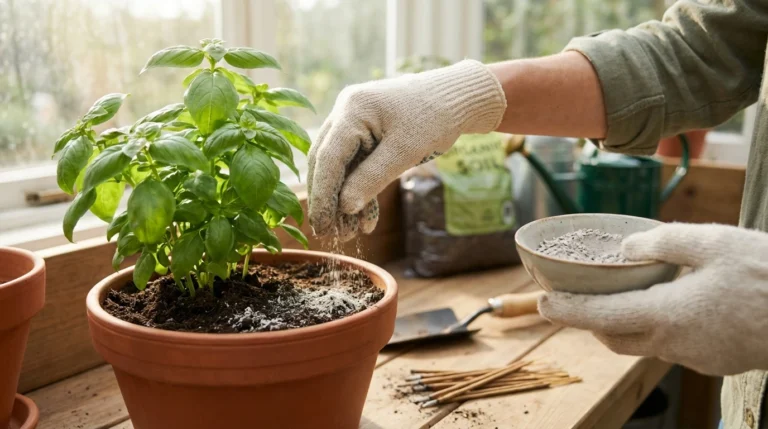
- Add Organic Matter: After sterilization, mix in some compost or worm castings to restore nutrients.
- Test the pH: Before planting, test the pH of your reused soil and adjust as necessary.
- Use Mycorrhizal Fungi: Consider introducing beneficial mycorrhizal fungi to improve plant growth.
- Rotate Crops: Avoid planting the same type of plants in reused soil for at least a season to prevent disease buildup.
Common Questions (FAQ)
Can I reuse soil from diseased plants?
Yes, but you must properly sterilize it first to eliminate pathogens and prevent the spread of disease.
How often should I sterilize my soil?
It’s best to sterilize soil if it has been used for plants that showed signs of disease or if it’s been in storage for an extended period.
What signs indicate that my soil needs sterilization?
If you notice poor plant growth, signs of disease, or an unusual odor from the soil, these are indicators that sterilization is necessary.
Is there a risk of damaging beneficial microbes during sterilization?
Yes, sterilization can kill beneficial microbes. To mitigate this, consider reintroducing beneficial organisms after treatment.
How can I tell if my soil is properly sterilized?
The soil should be free of any foul smells and should not harbor any visible clumps or signs of fungus after the sterilization process.
Conclusion
Reusing soil affected by root rot may seem daunting, but with the right approach, it can be a sustainable choice for your garden. By properly sterilizing the soil and following preventive measures, you can create a healthy environment for your plants to flourish. Remember, gardening is about learning and adapting, so each experience, even the challenging ones, can contribute to your growth as a gardener. Happy planting!