As a gardening enthusiast, you might have come across the buzz surrounding Kangen Water and its potential benefits. While many advocate for its health benefits for humans, the question arises: can Kangen Water be beneficial for plants as well? This article delves into this intriguing topic, exploring the characteristics of Kangen Water, its effects on plant health, and what you should consider before using it in your garden.
Understanding Kangen Water
Kangen Water is produced through a process called electrolysis, which involves passing water through an ionization device. This process alters the water’s pH level, making it either alkaline or acidic. The term “Kangen” translates to “return to origin” in Japanese, reflecting the water’s purported ability to restore the natural state of water.
Key Characteristics of Kangen Water
- pH Levels: Kangen Water is available in various pH levels, typically ranging from 4.0 (acidic) to 11.0 (alkaline). The alkaline version is often marketed for health benefits.
- Oxidation-Reduction Potential (ORP): Kangen Water has a negative ORP, which means it has antioxidant properties, potentially neutralizing free radicals.
- Micro-clustered Water Molecules: Proponents claim that Kangen Water has smaller, more easily absorbable water clusters, enhancing hydration.
Benefits of Kangen Water for Plants
Now, let’s explore the potential benefits of using Kangen Water for your plants. While scientific research specifically on Kangen Water and plants is limited, we can analyze its characteristics and relate them to general plant health.
1. Alkaline pH Benefits
Many plants thrive in slightly acidic to neutral pH levels (around 6.0 to 7.0). However, certain plants prefer alkaline conditions. Using alkaline Kangen Water could potentially benefit:
- Vegetables: Some vegetables like tomatoes and peppers can tolerate slightly alkaline conditions.
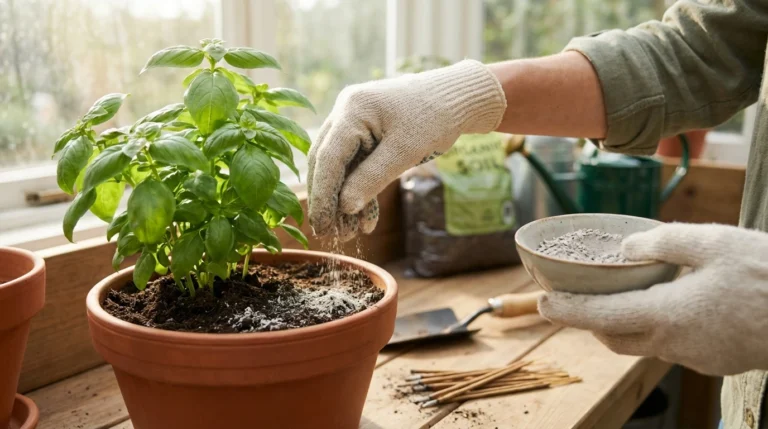
- Herbs: Herbs such as basil and rosemary may also thrive in alkaline soil.
However, it’s essential to monitor your soil’s pH regularly to avoid over-alkalinity, which can hinder plant growth.
2. Antioxidant Properties
The negative ORP of Kangen Water suggests it may offer antioxidant benefits. While plants do not consume water in the same way humans do, the reduction of oxidative stress in the soil could enhance the overall health of plants. Healthy soil leads to:
- Improved nutrient absorption
- Enhanced microbial activity
- Better drought resistance
3. Enhanced Hydration
Proponents of Kangen Water claim that its micro-clustered properties allow for better absorption. For plants, this could mean:
- Faster uptake of water, leading to reduced wilting
- Improved nutrient transport within the plant
Considerations Before Using Kangen Water
While there are potential benefits, it’s essential to approach the use of Kangen Water with caution. Here are some factors to consider:
1. Soil pH Testing
Before introducing Kangen Water into your plant care routine, conduct a soil pH test. Understanding your soil’s current pH will help determine whether the alkaline nature of Kangen Water is suitable for your plants.
2. Plant Type
Not all plants can tolerate alkaline water. Ensure the plants you wish to water with Kangen Water are compatible with higher pH levels. Here are some sensitive plant types:
- Blueberries: Prefer acidic conditions.
- Azaleas: Thrive in slightly acidic soils.
- Ferns: Typically prefer neutral to acidic environments.
3. Nutrient Imbalance
Over time, the use of alkaline water could lead to nutrient imbalances in the soil. Essential nutrients like iron and manganese become less available in alkaline conditions. Regularly monitor your plants for signs of nutrient deficiencies:
- Yellowing leaves (chlorosis)
- Poor growth or stunted development
Practical Tips for Using Kangen Water in Gardening
If you decide to experiment with Kangen Water in your garden, here are some practical tips to ensure success:
1. Dilution
Consider diluting Kangen Water with regular tap water to achieve a balanced pH level. A good starting ratio is 1 part Kangen Water to 3 parts regular water. Monitor your plants’ response and adjust as necessary.
2. Frequency of Use
Limit the use of Kangen Water to once every few weeks to avoid potential over-alkalinity. Continue using regular water for the majority of your watering needs.
3. Observe and Adapt
Keep a close eye on your plants’ health after introducing Kangen Water. Note any changes in growth patterns, leaf color, or overall vitality. Adapt your watering strategy based on these observations.
Ideas for Kangen Water in Gardening
If you’re looking for creative ways to incorporate Kangen Water into your gardening routine, consider these unique ideas:
- DIY Plant Fertilizer: Mix Kangen Water with compost tea for an antioxidant-rich fertilizer that can boost plant health.
- Hydration Station: Create a designated hydration area in your garden with Kangen Water, showcasing your plants’ thriving results.
- Alkaline Watering Schedule: Develop a schedule that alternates between Kangen Water and regular water, documenting the growth of different plant types.
Expert Tips for Maximizing Plant Health
As a friendly expert gardener, I’d like to share some insider advice to help you get the most out of your gardening efforts:
1. Companion Planting
Consider companion planting to enhance nutrient uptake and soil health. Pairing compatible plants can lead to better growth and improved resilience against pests.
2. Soil Amendments
Regularly amend your soil with organic matter such as compost or well-rotted manure. This helps maintain soil structure and nutrient levels, providing a well-rounded environment for your plants.
3. Watering Techniques
Use methods like deep watering and mulching to retain moisture and promote healthy root development. Combine this with Kangen Water for an innovative approach to plant care.
Common Questions About Kangen Water and Plants
1. Can Kangen Water harm my plants?
Using Kangen Water in moderation is unlikely to harm your plants. However, it’s crucial to monitor pH levels and plant responses to avoid potential issues.
2. How often should I use Kangen Water for my plants?
Limit its use to every few weeks, alternating with regular water to maintain balanced soil conditions.
3. What plants thrive in alkaline conditions?
Plants such as tomatoes, peppers, and certain herbs can tolerate and even thrive in slightly alkaline conditions.
Conclusion
Incorporating Kangen Water into your gardening routine presents an exciting opportunity to explore the intersection of plant care and innovative water technology. While there are potential benefits, it’s essential to approach its use thoughtfully, considering your specific plant needs and soil conditions. With careful monitoring and a balanced approach, you may discover a new ally in your gardening journey. Happy planting!