When it comes to enhancing your garden soil, you might be surprised to learn that leftover charcoal ash from your grill can play a beneficial role. Many gardeners are curious if Kingsford charcoal ash, specifically, is good for plants. With the rise of sustainable gardening practices, utilizing every part of our resources has become essential. In this article, we’ll explore the benefits, potential drawbacks, and best practices for using charcoal ash in your garden, ensuring your plants receive the nutrients they crave.
Understanding Charcoal Ash
Charcoal ash is the residue left after burning charcoal, and it is often considered a waste product. However, this byproduct can be repurposed in a garden setting. Kingsford charcoal, a popular brand, is made from hardwood, which means its ash contains minerals and nutrients that can be beneficial for soil health. But before you start sprinkling it around your garden, it’s essential to understand what charcoal ash is made of and how it interacts with plants.
What Does Charcoal Ash Contain?
Charcoal ash primarily consists of carbon, with smaller amounts of other elements, including:
- Calcium: Essential for cell wall structure and growth regulation.
- Potassium: Important for plant metabolism and overall health.
- Magnesium: A crucial element for photosynthesis.
- Trace minerals: Includes iron, manganese, and phosphorus, which are vital for plant growth.
These components can aid in improving soil pH and enhancing nutrient availability, making charcoal ash a potentially valuable addition to your gardening practices.
Benefits of Using Kingsford Charcoal Ash in Your Garden
Utilizing Kingsford charcoal ash in your garden can offer several advantages. Here are some notable benefits:
1. Soil Amendment
Charcoal ash can help improve soil structure by increasing its porosity. This quality allows for better aeration and drainage, which is crucial for root health. Enhanced soil structure can also help retain moisture, reducing the need for frequent watering.
2. pH Regulation
If your garden soil is too acidic, charcoal ash can help neutralize it. The calcium carbonate in the ash acts as a liming agent, which can raise the soil’s pH to a more neutral level, benefiting many plants that prefer less acidic conditions.
3. Nutrient Supply
As mentioned earlier, charcoal ash is rich in essential nutrients. When incorporated into the soil, it can provide a slow-release source of potassium, calcium, and magnesium, which can enhance plant growth and productivity.
4. Pest Deterrent
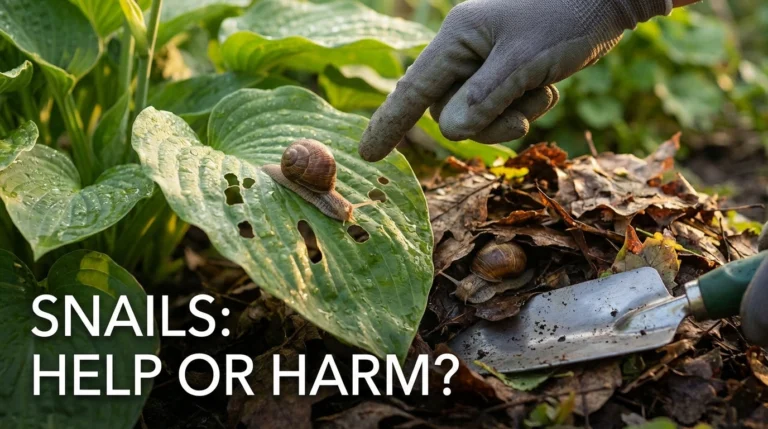
Some gardeners have reported that charcoal ash can deter pests like slugs and snails. Its gritty texture can create a barrier that is uncomfortable for these pests to cross, potentially protecting your precious plants.
5. Carbon Sequestration
Incorporating charcoal ash into your garden can aid in carbon sequestration, which helps reduce carbon dioxide in the atmosphere. This environmentally friendly practice contributes positively to climate change efforts.
Best Practices for Using Charcoal Ash
To maximize the benefits of Kingsford charcoal ash, consider these best practices:
1. Use Sparingly
While charcoal ash offers numerous benefits, moderation is key. Overapplication can lead to an imbalance in soil nutrients and pH levels. A general guideline is to apply no more than 10% of the total soil volume with charcoal ash.
2. Mix with Soil
To ensure even distribution and avoid clumping, mix the charcoal ash thoroughly with the soil before planting. This process helps integrate the nutrients and improves soil texture.
3. Avoid Treated Charcoal
When using charcoal ash, ensure you’re using untreated charcoal. Many brands, including Kingsford, offer both regular and briquette options. Briquettes may contain additives that can be harmful to plants, so it’s best to stick with pure hardwood charcoal.
4. Test Soil pH
Before adding charcoal ash, it’s wise to test your soil’s pH. If your soil is already near neutral (pH 6.0 to 7.0), adding charcoal ash may not be necessary. Regular testing will help you maintain optimal conditions for your plants.
Potential Drawbacks of Charcoal Ash
While Kingsford charcoal ash can be beneficial, there are some drawbacks to consider:
1. High Salinity
Charcoal ash can contain high levels of soluble salts, which can lead to soil salinity issues. Excessive salt can harm plants by dehydrating their roots. If you’re using charcoal ash, monitor your plants for signs of salt stress.
2. Nutrient Imbalance
Over time, adding too much charcoal ash may create nutrient imbalances in the soil. It’s essential to complement its use with other organic matter and fertilizers to maintain a well-rounded nutrient profile.
3. Temporary Effects
The benefits of charcoal ash are not permanent. As it breaks down, the nutrients can be depleted. Regularly amend your soil with various organic materials to maintain its health and fertility.
How to Incorporate Charcoal Ash into Your Garden
Here are several methods to effectively incorporate Kingsford charcoal ash into your gardening routine:
1. As a Soil Amendment
Mix the charcoal ash into your garden soil before planting. This method ensures that nutrients are readily available to new plants as they establish their roots.
2. In Compost Piles
Add small amounts of charcoal ash to your compost pile. It helps balance the carbon-to-nitrogen ratio, which enhances the overall quality of your compost.
3. Around Plants
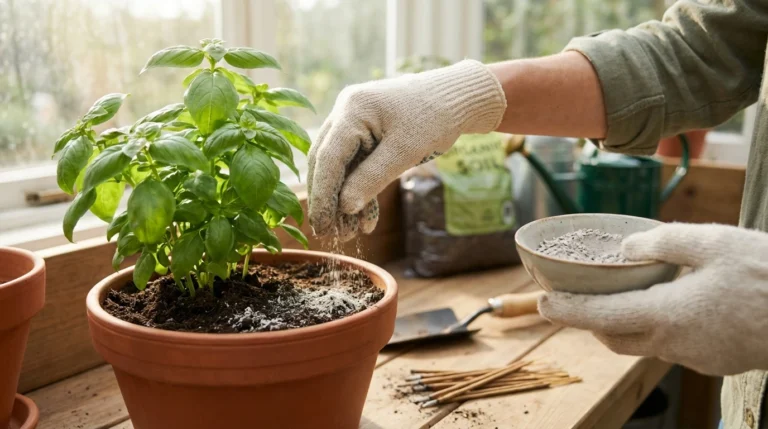
Lightly sprinkle charcoal ash around established plants to provide a nutrient boost. Be cautious not to apply it too close to the stems, as it can create an overly alkaline environment.
4. In Container Gardens
For potted plants, mix a small amount of charcoal ash into the potting mix. This practice can improve drainage and nutrient availability for container-grown plants.
Ideas for Using Charcoal Ash
If you’re looking for creative ways to incorporate Kingsford charcoal ash in your gardening routine, here are some catchy ideas:
- Charcoal-Infused Soil: Create a nutrient-rich soil blend for your vegetable garden by combining compost, garden soil, and charcoal ash.
- Plant Protector: Use charcoal ash as a barrier around vulnerable plants to deter pests naturally.
- DIY Fertilizer: Blend charcoal ash with other organic materials to create a homemade slow-release fertilizer.
- Garden Art: Incorporate charcoal ash into your garden art projects for a unique texture and color.
- Compost Booster: Add charcoal ash to your compost pile for a nutrient-rich amendment that balances your mix.
Expert Tips for Maximizing Charcoal Ash Benefits
Here are some insider tips to ensure you’re getting the most out of Kingsford charcoal ash in your garden:
1. Combine with Other Organic Materials
To achieve a balanced nutrient profile, combine charcoal ash with other organic materials like compost, aged manure, or worm castings. This mixture can enhance the overall fertility of your soil.
2. Water Thoroughly After Application
After incorporating charcoal ash into your garden, water the area thoroughly. This process helps the nutrients seep into the soil and become available to plants.
3. Rotate Application Areas
To prevent nutrient buildup in one area, rotate where you apply charcoal ash each season. This practice ensures your entire garden benefits from the nutrients without creating imbalances.
4. Observe Plant Health
Keep an eye on your plants after applying charcoal ash. Monitor for any signs of distress, such as leaf burn or wilting, which may indicate overapplication or salinity issues.
Common Questions About Kingsford Charcoal Ash
1. Can I use any charcoal ash for my garden?
No, it’s essential to use untreated charcoal ash. Many briquettes contain additives that can be harmful to plants. Stick with pure hardwood charcoal ash for the best results.
2. How often can I apply charcoal ash to my garden?
It’s best to apply charcoal ash sparingly, no more than once or twice a year, depending on your soil’s needs and nutrient levels.
3. Is charcoal ash safe for all plants?
While many plants benefit from charcoal ash, some acid-loving plants may not thrive in alkaline conditions. Always test your soil pH before applying.
4. Can I use charcoal ash in my indoor plants?
Yes, you can use charcoal ash in indoor plants, but be cautious about the amount. A small sprinkle mixed into potting soil can provide benefits without overwhelming them.
5. What should I do if my plants show signs of stress after using charcoal ash?
If your plants are showing signs of stress, discontinue using charcoal ash and water thoroughly to help leach out excess salts. Consider testing your soil pH to ensure it’s within the optimal range.
Conclusion
Integrating Kingsford charcoal ash into your gardening practices can offer numerous benefits, from improving soil structure to providing essential nutrients. However, moderation and awareness of potential drawbacks are crucial for successful application. By following best practices and monitoring your plants, you can effectively use charcoal ash to enhance your garden’s health and productivity. Embrace this sustainable practice and watch your plants thrive!