Roots are the unsung heroes of the plant world. Often hidden beneath the soil, they perform essential functions that are vital for plant health and growth. Understanding what roots do for a plant can provide you with valuable insights into gardening and plant care. From anchoring the plant to facilitating nutrient uptake, roots play a multifaceted role in a plant’s life cycle. Let’s delve into the remarkable functions of roots and how they contribute to the overall well-being of plants.
What Are Roots?
Roots are the underground part of a plant that typically grow downward into the soil. They come in various shapes and sizes, depending on the plant species. In general, roots can be classified into two main types: fibrous roots and taproots. Fibrous roots are thin and spread out in many directions, while taproots have a single, thicker main root. Both types serve crucial functions in supporting the plant.
Primary Functions of Roots
Roots serve several essential functions that contribute to the health and survival of a plant. Here are the primary roles they play:
1. Anchoring the Plant
One of the core functions of roots is to anchor the plant securely in the ground. This stability is crucial, especially for taller plants or those exposed to strong winds. A well-developed root system keeps the plant upright and prevents it from toppling over.
2. Absorbing Water and Nutrients
Roots are responsible for taking up water and essential nutrients from the soil. The root hairs, tiny structures that extend from the root, increase surface area and enhance the plant’s ability to absorb moisture and nutrients. Key nutrients absorbed include:
- Nitrogen: Vital for leaf growth and overall plant development.
- Phosphorus: Important for root and flower development.
- Potassium: Helps in water regulation and disease resistance.
3. Storing Energy
Roots can serve as storage organs for energy in the form of carbohydrates. Many plants store excess energy produced during photosynthesis in their roots, which can later be utilized for growth and development during challenging conditions.
4. Facilitating Communication
Recent studies suggest that roots can communicate with each other and with other organisms in the soil. Through a network of mycorrhizal fungi, roots can share nutrients and warning signals about pests or diseases, promoting a healthy ecosystem.
5. Regulating Plant Hormones
Roots also play an essential role in the production and regulation of plant hormones, which are critical for growth and development. The balance of hormones like auxins and cytokinins influences various growth processes, including root and shoot development.
Types of Roots and Their Functions
Understanding the different types of roots can give you insights into their specific functions and advantages. Here are the two main categories:
1. Fibrous Roots
Fibrous roots consist of many thin, branching roots. They are common in grasses and many perennial plants. The advantages of fibrous roots include:
- Soil Erosion Prevention: Their extensive network helps bind the soil, reducing erosion.
- Water Absorption: They can absorb water from the top layers of soil, which is crucial during dry spells.
2. Taproots
Taproots have a single, thick primary root that grows deep into the ground, with smaller lateral roots branching off. Examples include carrots and dandelions. Key benefits of taproots include:
- Deep Water Access: They can reach moisture stored deeper in the soil, allowing them to thrive in drier conditions.
- Nutrient Storage: Taproots often store energy and nutrients, providing a reserve for the plant.
Root Development and Growth
The growth and development of roots are influenced by various factors, including soil type, moisture levels, and nutrient availability. Here’s how roots develop:
1. Germination Stage
During germination, the primary root, or radicle, emerges first, anchoring the seed and initiating the absorption of water.
2. Root Expansion
As the plant grows, the root system expands. Roots can grow in various directions, seeking out nutrients and moisture. This adaptability is crucial for survival.
3. Secondary Root Formation
As the plant matures, secondary roots form, enhancing the plant’s stability and nutrient uptake capacity.
Common Mistakes in Root Care
Understanding how to care for plant roots is essential for ensuring a healthy plant. Here are some common mistakes to avoid:
1. Overwatering
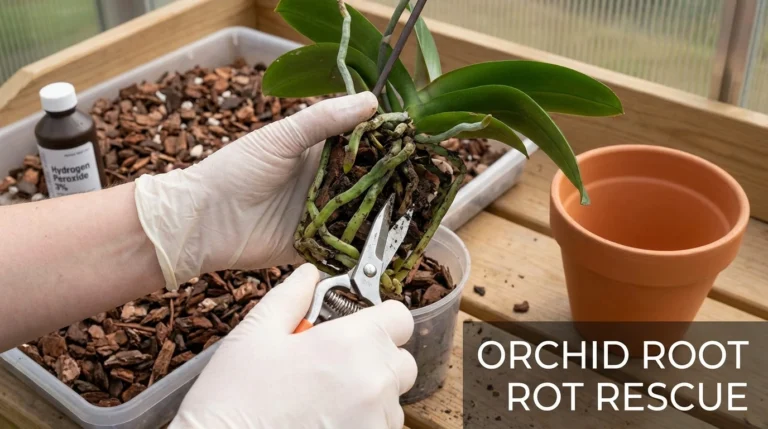
Too much water can lead to root rot, which suffocates the roots and inhibits nutrient absorption. Always check soil moisture before watering.
2. Poor Soil Quality
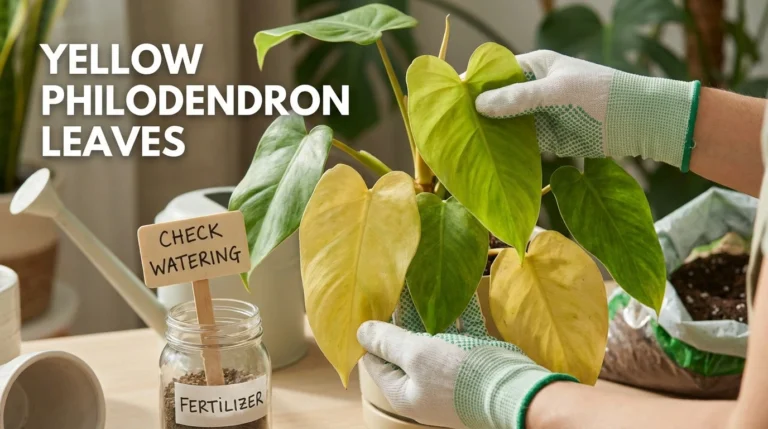
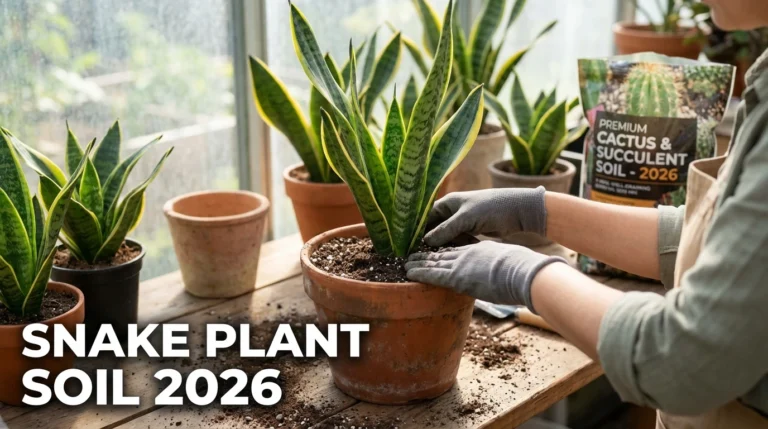
Using soil that lacks essential nutrients can stunt root growth. Ensure you use high-quality potting mix or garden soil enriched with organic matter.
3. Neglecting Root Pruning
In container gardening, roots can become root-bound, leading to poor growth. Regularly check for root health and prune when necessary to encourage new growth.
Ideas for Enhancing Root Health
If you’re looking to inspire your gardening journey, here are some creative ideas to enhance root health:
1. Create a Root Zone
Designate a specific area in your garden where you can focus on root health by planting companion plants that support each other.
2. Experiment with Raised Beds
Raised beds can improve drainage and soil quality, giving roots the ideal environment to thrive.
3. Use Mulch Wisely
Applying a layer of organic mulch can help retain moisture and regulate soil temperature, creating a better environment for roots.
4. Incorporate Mycorrhizal Fungi
Adding mycorrhizal fungi to your soil can enhance nutrient absorption and strengthen root systems.
Expert Tips for Root Care
To truly nurture your plants, consider these expert tips for promoting healthy root systems:
1. Rotate Crops
Crop rotation prevents soil depletion and reduces the risk of disease, promoting healthier roots for each new planting.
2. Test Soil pH
Maintaining an optimal soil pH (typically between 6.0 and 7.0 for most plants) encourages healthy root development.
3. Fertilize Wisely
Use slow-release fertilizers to provide nutrients gradually, ensuring roots have access to what they need over time without shock.
Common Questions About Roots
1. How do roots absorb water?
Roots absorb water primarily through root hairs, which increase the surface area for water and nutrient uptake from the soil.
2. Can roots grow in water?
Yes, some plants can thrive in water, such as hydroponic systems, where roots are submerged in nutrient-rich water solutions.
3. What is root rot and how can I prevent it?
Root rot is a disease caused by overwatering or poor drainage. To prevent it, ensure proper watering practices and use well-draining soil.
4. Do roots need sunlight?
Roots do not need sunlight; instead, they thrive in darkness, where they can absorb moisture and nutrients without the risk of drying out.
5. How can I tell if my plant has healthy roots?
Healthy roots are typically white or light tan, firm to the touch, and extend throughout the soil. Dark, mushy roots indicate rot.
Conclusion
Roots are far more than just a plant’s anchor; they are vital for survival, growth, and communication. By understanding the complex functions of roots, you can better care for your plants and create thriving gardens. Remember to monitor soil conditions, avoid common pitfalls, and implement expert tips for optimal root health. Happy gardening!