Every gardener has been there: a beloved plant suddenly wilting, its vibrant leaves turning yellow or brown. It’s easy to feel panic or despair when a plant starts to show signs of distress. But how do you know when it’s too late to revive a plant? Understanding the signs of a plant in decline and knowing the potential for recovery can make all the difference. Let’s delve into the factors that determine whether a plant can be saved, and explore actionable steps to help you assess its condition.
Quick Answer
It’s typically too late to revive a plant when over 50% of its leaves are dead, the stem is mushy or brittle, or the roots show significant rot. However, early intervention can often save plants that show initial signs of distress.
Understanding Plant Health
To determine if a plant can be revived, it’s crucial to understand the basic signs of health and distress. Healthy plants exhibit vibrant foliage, strong stems, and robust roots. Conversely, distressed plants may show signs such as wilting, discoloration, or stunted growth. Let’s break down these indicators.
Signs of a Healthy Plant
- Vibrant foliage: Leaves are bright, firm, and full of life.
- Strong stems: Stems should be upright and sturdy, not floppy or shriveled.
- Root health: Roots are typically white or light tan and firm to the touch.
Common Signs of Distress
- Wilting leaves: This can indicate underwatering or root rot.
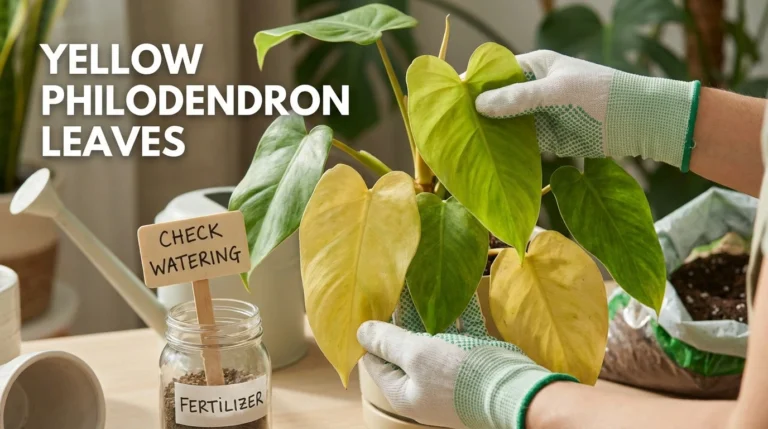
- Yellowing leaves: Often a sign of overwatering, nutrient deficiency, or disease.
- Brown tips or edges: This may suggest low humidity, too much fertilizer, or salt buildup.
- Stunted growth: A lack of new growth can signal poor root health or insufficient light.
Assessing the Severity of the Problem
Once you identify that your plant is in distress, the next step is to assess how severe the problem is. This involves examining the leaves, stem, and roots closely.
Leaf Assessment
Start with the leaves. If more than half are brown or crispy, it may be a sign that the plant is beyond saving. However, if only a few leaves are affected, it could be a more manageable issue.
Stem Condition
Check the stem for firmness. If it feels mushy or falls off easily, the plant may have rot, which can often spread to the rest of the plant. A firm stem with some discoloration might still be salvageable.
Root Examination
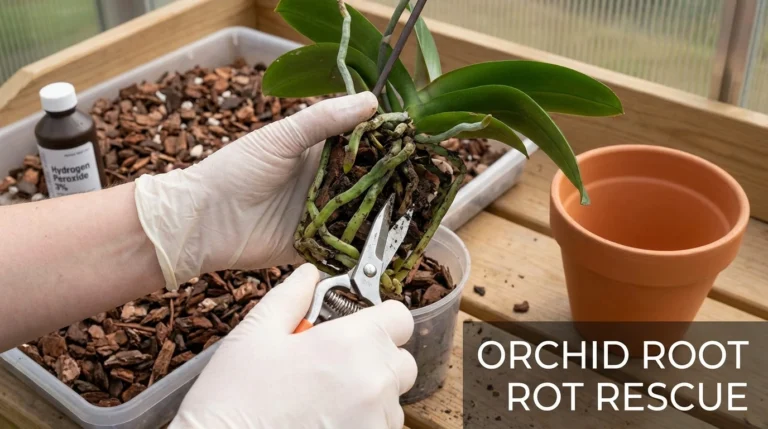
Gently remove the plant from its pot to inspect the roots. Healthy roots are firm and light-colored. If they are dark, mushy, or have a foul smell, it is a sign of root rot, which can be challenging to reverse.
Common Causes of Plant Distress
Understanding what might have caused your plant’s decline can help in deciding the right course of action. Here are some common reasons for plant distress.
Overwatering
One of the most frequent culprits in plant distress is overwatering. This leads to root rot and can quickly escalate to a plant’s demise.
Underwatering
Conversely, underwatering can lead to dehydration, causing leaves to wilt and drop. Recognizing the signs early can help you save your plant.
Pests and Diseases
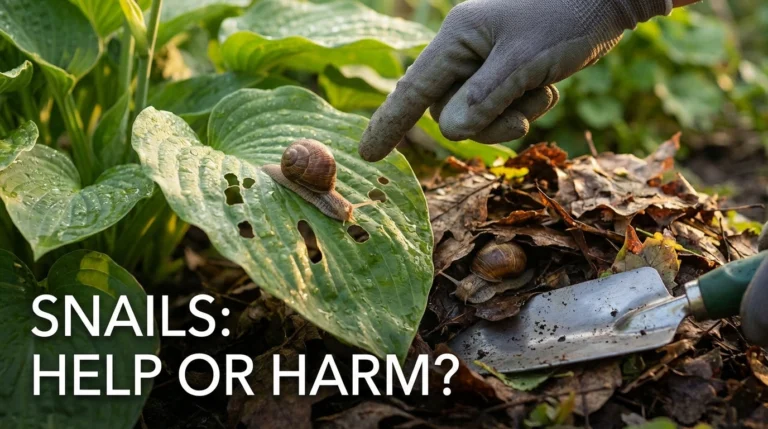
Insects like aphids or diseases such as powdery mildew can wreak havoc on a plant’s health. Regular inspection can help catch these problems before they become too severe.
Nutrient Deficiency
Plants require specific nutrients to thrive. A deficiency can lead to yellowing leaves or stunted growth. Regular fertilization, based on plant needs, can mitigate this issue.
Steps to Revive a Plant
If you’ve determined that your plant shows potential for recovery, here are actionable steps to help bring it back to life.
1. Adjust Watering Practices
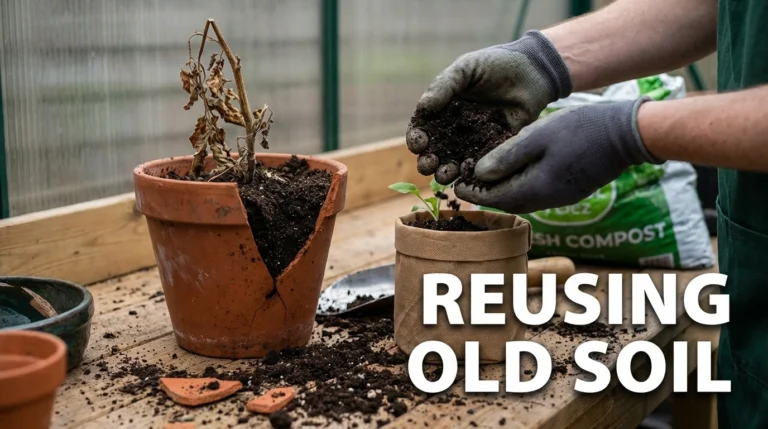
- For overwatered plants, allow the soil to dry out completely before watering again. Consider repotting in fresh, dry soil.
- For underwatered plants, give them a thorough watering and ensure the pot allows for proper drainage.
2. Increase Humidity
Many houseplants thrive in higher humidity. Consider misting your plants, using a humidity tray, or placing a humidifier nearby.
3. Prune Dead or Damaged Leaves
Use clean, sharp scissors to remove dead leaves. This helps redirect the plant’s energy to healthier parts.
4. Check the Light Conditions
Ensure your plant is getting the right amount of light. Move it closer to a window or provide supplemental grow lights if necessary.
5. Treat for Pests or Diseases
For pest infestations, use insecticidal soap or neem oil. For diseases, remove affected parts and consider fungicides if necessary.
Ideas for Plant Recovery
Sometimes a visual approach can inspire you to take action. Here are some creative ideas to help revive your struggling plants:
- DIY Self-Watering Planter: Create a simple self-watering planter using a container and a wick to keep soil moisture consistent.
- Herb Garden Rescue: If your herbs are wilting, trim them back and create a sunny indoor herb garden.
- Terrarium Revamp: For small plants, consider creating a terrarium to increase humidity and aesthetics.
- Plant Swap: Host a plant swap with friends to exchange struggling plants and share care tips.
Expert Tips for Long-Term Plant Care
Reviving a plant is just the beginning. Here are some expert tips to ensure your plants remain healthy and vibrant.
- Regularly Rotate Plants: This helps ensure even light exposure and promotes balanced growth.
- Fertilize Seasonally: Use a balanced fertilizer during the growing season to provide essential nutrients.
- Stay Alert for Signs: Regularly inspect your plants for any signs of distress, so you can address issues promptly.
- Research Your Plants: Different plants have different care requirements. Knowing the specifics can help you provide the best environment.
Common Questions About Plant Revival
Can I save a plant with yellow leaves?
Yes, yellow leaves often indicate overwatering or nutrient deficiency. Assess the watering schedule and consider fertilizing if needed.
What should I do if the roots are rotting?
Trim away the rotten roots and repot the plant in fresh, well-draining soil. Adjust your watering practices to prevent future rot.
How can I tell if my plant is dead?
If the stems are dry and brittle, and there’s no sign of new growth after several weeks, it may be too late to revive the plant.
Is it possible to revive a plant after a long absence?
It depends on the plant’s condition. If it shows signs of life, such as green stems or leaves, there’s a possibility for revival.
What’s the best way to prevent plant distress?
Regular care, including appropriate watering, light conditions, and fertilization, is key to preventing distress.
Conclusion
Knowing when it’s too late to revive a plant can save you time and effort, but often, early intervention can lead to a successful recovery. By understanding the signs of distress and taking appropriate action, you can breathe new life into struggling plants. Remember, gardening is a journey of learning, and every plant has the potential for revival with the right care!