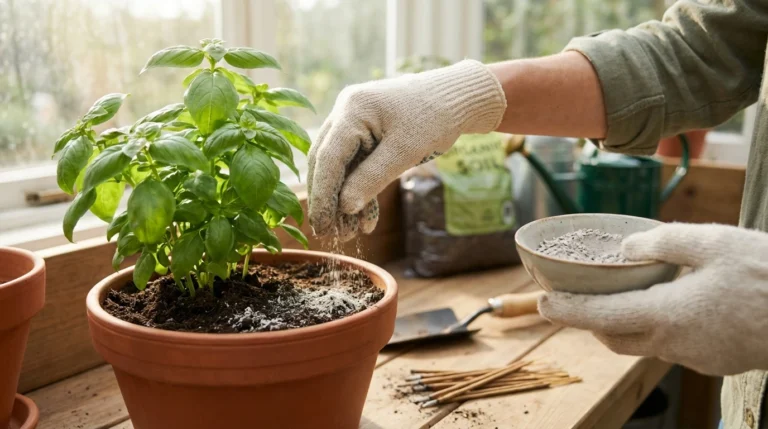
Creating a raised garden bed is a fantastic way to boost your gardening experience, but filling it with soil can sometimes feel like a daunting, costly task. Many gardeners might wonder how to fill out a raised bed without breaking the bank. Thankfully, there are several budget-friendly tips and tricks to help you do just that. From using alternative materials to layering techniques, this guide will inspire you to create a thriving garden bed on a budget.
Quick Answer
To fill out a raised bed without spending much, consider using a mix of materials like cardboard, wood chips, and compost. Layering these items can reduce soil costs while providing essential nutrients and drainage for your plants.
Understanding Your Raised Bed Needs
Before diving into filling your raised bed, it’s essential to understand what you need for your garden’s success. The depth of your raised bed and the types of plants you want to grow will affect how you fill it. Here are some key considerations:
1. Determine the Size of Your Raised Bed
- Standard sizes range from 4×4 feet to 4×8 feet.
- Depth can vary from 6 inches to 2 feet, depending on the plants you choose.
2. Know Your Planting Goals
- Are you growing vegetables, herbs, or flowers?
- Different plants have varying soil depth requirements.
3. Drainage is Key
Good drainage is vital to prevent root rot. Consider how water will flow through your raised bed.
Budget-Friendly Materials for Filling Your Raised Bed
Now that you have a clear understanding of your raised bed, let’s explore budget-friendly materials to fill it efficiently.
1. Cardboard as a Base Layer
Cardboard is an excellent choice for the bottom layer of your raised bed. It suppresses weeds while breaking down over time, enriching the soil.
- Use only plain cardboard without glossy coatings or tape.
- Layer it flat to cover the entire bottom of the bed.
2. Wood Chips and Shredded Bark
Wood chips can be a cost-effective option for filling the middle layer of your raised bed.
- They allow for good aeration and drainage.
- Look for free or inexpensive options at local tree removal services or gardening centers.
3. Leaves and Yard Waste
Using shredded leaves or other yard waste is another budget-friendly option. They decompose over time, adding organic matter to your soil.
- Collect leaves in the fall or use grass clippings from mowing.
- Avoid using leaves from black walnut trees, as they can be harmful to other plants.
4. Compost and Manure
After your base layers are in place, adding compost is crucial for nutrient-rich soil.
- Make your compost at home using kitchen scraps and yard waste.
- Consider well-aged manure from local farms—it’s often available at low cost.
5. Top Soil and Garden Soil
Your final layer should be quality topsoil or garden soil to support plant growth.
- Check local garden centers for bulk soil options, which are often cheaper than bagged soil.
- Mix with compost to enrich the soil further.
Layering Techniques for Maximum Efficiency
Layering is a vital technique that can help you fill your raised bed effectively while conserving resources.
1. The Lasagna Gardening Method
This method involves layering materials in a specific order to create a nutrient-rich environment for your plants.
- Start with cardboard, followed by a layer of brown materials (like leaves or straw).
- Add green materials (like grass clippings or kitchen scraps) for nitrogen.
- Finish with a layer of compost or topsoil.
2. The Hugelkultur Technique
Hugelkultur is a German word that means “mound culture.” This method uses decomposing wood as a core for your raised bed.
- Place logs or large branches at the bottom of your raised bed.
- Layer with smaller branches, leaves, and then topsoil.
- This method retains moisture and provides nutrients as the wood breaks down.
Expert Tips for Filling Your Raised Bed on a Budget
Here are some insider tips to help you maximize your budget while filling your raised bed:
1. Utilize Local Resources
Check out local community gardens, gardening clubs, or social media groups. Often, gardeners share excess soil or compost for free or at a low cost.
2. Avoid Store-Bought Soil Mixes
Store-bought soil mixes can be expensive. Instead, focus on creating your own blend using the materials discussed.
3. Monitor Your Layers
As your raised bed settles, you may notice a decrease in soil levels. Keep an eye on it and top off with compost or soil as necessary.
Pinterest-Style Ideas for Raised Bed Gardens
Here are some inspiring ideas to make your raised bed garden unique while keeping costs low.
1. Vertical Gardening
Incorporate vertical elements like trellises or wall-mounted planters to maximize space and create visual interest.
2. Colorful Edging
Use reclaimed wood, bricks, or even painted rocks for edging to enhance the aesthetic of your raised bed.
3. Companion Planting
Pair plants that benefit each other, such as tomatoes with basil, to improve growth and repel pests naturally.
4. Seasonal Decorations
Add seasonal decorations like colorful flowers or decorative stones to make your raised bed a focal point in your garden.
Common Questions (FAQ)
1. How deep should my raised bed be?
A depth of 12 to 18 inches is ideal for most vegetables, while some root crops may require deeper beds.
2. Can I use regular garden soil in my raised bed?
While you can, it’s best to mix garden soil with compost and other organic materials to improve drainage and nutrients.
3. How often should I add compost to my raised bed?
Adding compost once a year is generally sufficient, but you can top-dress with small amounts throughout the growing season.
4. Will my raised bed need drainage holes?
Raised beds typically don’t need drainage holes since they are above ground, but ensure your soil mix promotes good drainage.
5. What are some inexpensive plants for a raised bed garden?
Consider growing herbs, leafy greens, or root vegetables, as they are often low-cost and easy to grow.
Conclusion
Filling your raised bed doesn’t have to be an expensive endeavor. By using creative materials and layering techniques, you can provide a thriving environment for your plants without stretching your budget. Embrace the process, experiment with different methods, and soon you’ll have a flourishing garden that brings joy and nourishment! Happy gardening!