If you’re a plant parent, you might have come across the idea that coffee grounds can be a fantastic addition to your houseplant care routine. But is it true? Are coffee grounds really beneficial for your green friends? Here’s the scoop: coffee grounds are not just a waste product but can also be a powerful ally in your gardening arsenal. From improving soil health to providing essential nutrients, there’s a lot to explore. Dive into this comprehensive guide to understand how coffee grounds can enhance your houseplants’ growth and health.
Quick Answer
Yes, coffee grounds are good for houseplants! They provide essential nutrients, improve soil structure, and can help enhance drainage. However, moderation is key to avoid acidity issues and potential over-fertilization.
Understanding Coffee Grounds
Before we delve deeper into how coffee grounds can benefit your houseplants, let’s understand what they are. Coffee grounds are the remnants of brewed coffee. They are rich in nitrogen, phosphorus, and potassium—three key nutrients that plants need to thrive. Additionally, they contain micronutrients like magnesium and copper, which can boost plant health.
The Nutritional Benefits
Coffee grounds offer several nutritional benefits:
- Nitrogen: Essential for vegetative growth, nitrogen helps in producing lush, green foliage.
- Phosphorus: Crucial for root development and flowering, phosphorus promotes overall plant vitality.
- Potassium: Helps in water regulation and improves disease resistance, ensuring your plants stay healthy.
Improving Soil Structure
Incorporating coffee grounds into your soil can improve its structure. They help create air pockets, enhancing drainage and aeration, which is vital for healthy root growth. Well-aerated soil allows roots to absorb nutrients more effectively and prevents root rot.
How to Use Coffee Grounds with Houseplants
Now that you understand the benefits, how do you actually use coffee grounds with your houseplants? Here are some practical methods:
1. Direct Application
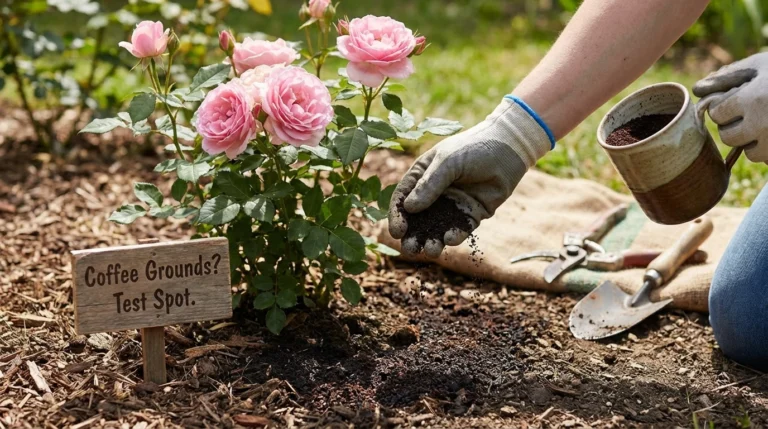
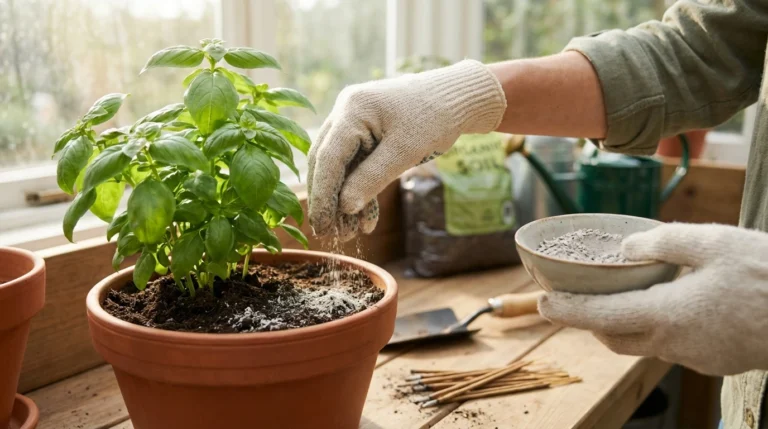
You can sprinkle used coffee grounds directly onto the soil surface. This method is straightforward and allows the nutrients to seep into the soil gradually. Here’s how:
- Ensure the grounds are dry to prevent mold growth.
- Sprinkle a thin layer (about 1/4 inch) on the soil.
- Gently mix it into the top layer of soil.
2. Composting
Adding coffee grounds to your compost bin is an excellent way to recycle them while enriching your compost. They add nitrogen to the mix, which is especially beneficial if your compost tends to be heavy on carbon-rich materials. Here’s how to do it:
- Mix coffee grounds with other compost materials like kitchen scraps and dry leaves.
- Aim for a balanced mix of greens (nitrogen) and browns (carbon).
- Turn the compost regularly to aerate it.
3. Liquid Fertilizer
You can create a nutrient-rich liquid fertilizer by steeping coffee grounds in water. This method allows nutrients to leach into the water, which can then be used to water your plants. Here’s a simple recipe:
- Fill a container with 1 cup of used coffee grounds.
- Add 5 gallons of water and let it steep for 24 hours.
- Strain the liquid and use it to water your plants.
4. Pest Deterrent
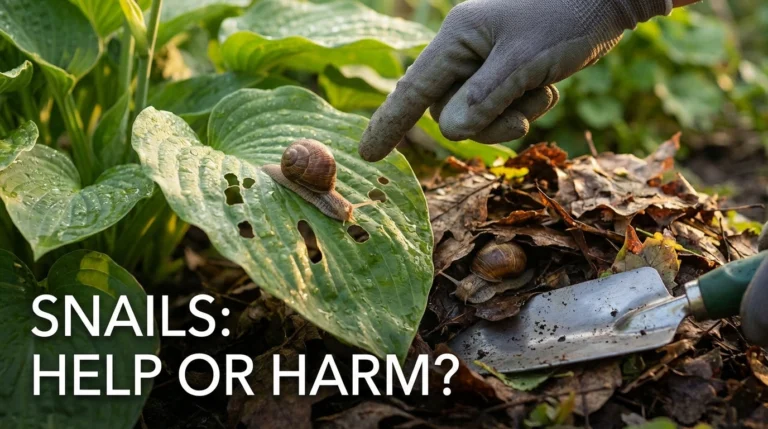
Interestingly, coffee grounds can also help deter pests. The strong scent may repel certain insects such as slugs and snails. For this purpose:
- Sprinkle a line of coffee grounds around the base of your plants.
- Reapply after rain or watering, as it can wash away.
Common Mistakes to Avoid
While coffee grounds have numerous benefits, there are a few common mistakes to watch out for:
1. Over-Application
Using too many coffee grounds can lead to soil acidity. Most houseplants prefer a neutral to slightly acidic pH, so moderation is key. Stick to using a small amount, about one tablespoon per plant every month.
2. Using Fresh Grounds
Fresh coffee grounds are highly acidic. Always use used grounds to avoid altering the pH level of your soil negatively. If you’re unsure, let fresh grounds sit for a week to reduce their acidity.
3. Ignoring Plant Preferences
Not all plants respond well to coffee grounds. Acid-loving plants like azaleas and blueberries thrive with coffee grounds, but others like succulents may not. Research your specific plants’ needs before applying coffee grounds.
Pinterest-Style Ideas for Using Coffee Grounds
Here are some creative, visual ideas for using coffee grounds with your houseplants. These can inspire your next gardening project!
- Decorative Planter Topper: Use coffee grounds as a top dressing for potted plants to create a rustic look while providing nutrients.
- DIY Coffee Ground Fertilizer Stick: Mix coffee grounds with clay to create sticks that you can insert into the soil for a slow-release fertilizer.
- Plant Markers: Use coffee grounds mixed with glue on wooden sticks for unique, biodegradable plant markers.
- Soil Enhancer for Seedlings: Incorporate coffee grounds into the soil mix when starting seedlings for added nutrients.
- Coffee Ground Infused Watering Can: Infuse your watering can with coffee grounds for a nutrient boost for your plants.
Expert Tips for Maximizing Benefits
To get the most out of using coffee grounds for your houseplants, consider these expert tips:
1. Balance with Other Nutrients
While coffee grounds are beneficial, they should not be your only source of nutrients. Consider balancing them with organic fertilizers or compost to ensure a well-rounded nutrient profile for your plants.
2. Monitor Plant Health
Keep an eye on your plants after introducing coffee grounds. Watch for signs of nutrient deficiencies or excess acidity, and adjust your application accordingly.
3. Experiment with Different Plants
Try using coffee grounds on a variety of houseplants to see which ones thrive the most. Take notes on their growth patterns and adjust your methods based on their responses.
Common Questions (FAQ)
Can I use coffee grounds on all houseplants?
While many houseplants benefit from coffee grounds, some, like succulents, may not tolerate the acidity well. It’s best to research your specific plants before using them.
How often should I use coffee grounds?
Once a month is typically sufficient. Too much can lead to acidity issues in the soil, so moderation is crucial.
Are there any plants that don’t like coffee grounds?
Yes, plants such as succulents, cacti, and some perennials may not appreciate coffee grounds due to their sensitivity to acidity.
Can coffee grounds help with drainage?
Yes, coffee grounds can improve soil structure and drainage by creating air pockets when mixed into the soil.
Do coffee grounds attract pests?
In general, coffee grounds can deter certain pests like slugs and snails, but they may attract others like fruit flies if not managed properly.
Conclusion
Incorporating coffee grounds into your houseplant care routine can be a game-changer. They enhance soil health, provide essential nutrients, and can even deter pests. However, it’s important to use them wisely and in moderation to reap the benefits without harming your plants. So, the next time you brew a cup of coffee, remember that those grounds can do wonders for your green companions. Happy gardening!