Succulents have become a favorite among plant lovers for their unique shapes, vibrant colors, and low maintenance needs. However, one of the most common questions that arise among succulent enthusiasts is about their light requirements. Too little light can cause these hardy plants to stretch and lose their vibrant hues, while too much can lead to sunburn. Understanding how much light succulents need is crucial for keeping them healthy and thriving. Dive in as we explore the optimal light conditions for these fascinating plants and how to ensure they flourish in your home.
Quick Answer
Succulents typically need about 6 hours of bright, indirect sunlight each day. Some varieties can tolerate direct sunlight, but it’s essential to gradually acclimate them to prevent sunburn. Adjusting their light exposure based on the season is also key to their health.
Understanding Succulent Light Needs
To provide the best care for your succulents, it’s essential to understand their light needs. These plants originate from arid environments, where they have adapted to thrive with plenty of sunlight. Here’s a breakdown of their light requirements:
1. Bright, Indirect Light
- Most succulents prefer bright, indirect sunlight. This mimics their natural habitat, allowing them to grow without the harshness of direct sun.
- Placing them near a window with filtered light or in a well-lit room can provide the ideal conditions.
2. Direct Sunlight Tolerance
- Some succulents, like Echeveria and Sedum, can tolerate direct sunlight, especially if they are gradually acclimated to it.
- Morning sun is generally milder and can be beneficial, while harsh afternoon rays may scorch their leaves.
3. Low Light Adaptability
- While most succulents thrive in bright light, some varieties, such as the Haworthia, can tolerate lower light conditions.
- However, they may grow more slowly and may not display their full color potential.
How Much Light is Too Much?
While succulents love light, too much can lead to serious issues. Here’s how to recognize if your succulent is getting too much sun:
Signs of Sunburn
- Brown Spots: These often appear on the leaves and are a sign of sunburn.
- Faded Color: If your succulent’s color fades or becomes washed out, it may be getting too much direct sunlight.
- Leaf Drop: Excessive sunlight can cause leaves to dry out and drop off.
How to Protect Your Succulents from Excessive Sunlight
- Gradually increase exposure to direct sunlight to help them acclimate.
- Use sheer curtains to filter harsh light during peak sun hours.
- Move your plants to a shadier location during the hottest months.
Seasonal Light Adjustments
As the seasons change, so do the light conditions in your home. Here’s how to adjust your succulents’ light exposure throughout the year:
Spring and Summer
- During these warmer months, succulents thrive on plenty of light. Aim for at least 6 hours of bright, indirect light daily.
- Monitor for signs of stress, especially if you notice any sunburn.
Fall and Winter
- Days are shorter, so your plants may not be receiving enough light. Move them closer to windows or consider using grow lights.
- Be cautious of overly dry indoor air, which can stress your succulents.
Ideal Locations for Succulents
Choosing the right location for your succulents can make all the difference. Here are some popular spots:
1. Windowsills
- South-facing windows provide the most light, making them ideal for sun-loving succulents.
- East-facing windows offer gentle morning light, perfect for those that prefer indirect light.
2. Shelves and Tabletops
- Consider placing them on shelves near windows or in well-lit areas of your home.
- Use plant stands to elevate them for better light exposure.
3. Outdoor Patios
- If you live in a suitable climate, outdoor patios can be an excellent spot for succulents.
- Ensure they are protected from harsh midday sun and wind.
Common Mistakes in Succulent Light Care
Even experienced gardeners can make mistakes when it comes to succulent light care. Here are some common pitfalls to avoid:
1. Overwatering
- Too much water combined with insufficient light can lead to root rot.
- Always allow the soil to dry out completely between waterings.
2. Not Rotating Plants
- Failing to rotate your succulents can cause them to grow lopsided as they reach for the light.
- Regularly turning them can promote even growth.
3. Ignoring Seasonal Changes
- As the seasons change, so should your plant care routines.
- Adjust lighting and watering based on the time of year.
Pinterest-Style Ideas for Succulent Arrangements
Succulents are not just low-maintenance plants; they can also be stunning decor elements. Here are some creative ideas for displaying your succulents:
1. Terrarium Gardens
Create a mini-ecosystem by arranging small succulents in a glass terrarium. Use decorative stones and sand for a beautiful touch.
2. Succulent Wreaths
Craft a living wreath using various succulent varieties. These can add a unique and fresh look to your home.
3. Vertical Gardens
Install a vertical planter system to maximize space and create a stunning wall feature.
4. Succulent Centerpieces
Use shallow bowls or wooden crates filled with succulents as table centerpieces for a rustic feel.
Expert Tips for Thriving Succulents
Here are some lesser-known tips that can help your succulents thrive:
- Fertilize Sparingly: Use a diluted, balanced fertilizer during the growing season, but avoid over-fertilizing.
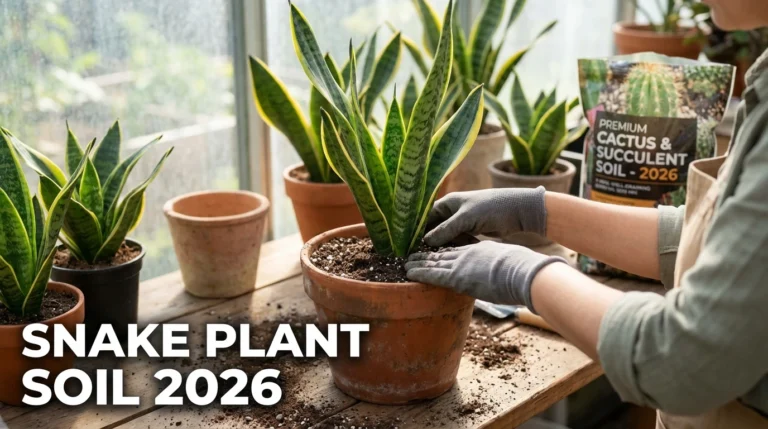
- Choose the Right Soil: Use well-draining soil specifically designed for succulents to prevent water retention.
- Observe Your Plants: Pay attention to their growth patterns and adjust care based on their responses.
Common Questions about Succulent Light Needs
1. Can succulents grow in low light?
Some succulents can tolerate low light, but they will not thrive as well as those in bright, indirect light.
2. How often should I move my succulents?
Move them based on seasonal changes and light exposure. Regularly check for signs of stretching or sunburn.
3. What are the best succulents for beginners?
Consider starting with Echeveria, Jade Plant, or Aloe Vera, as they are hardy and forgiving.
4. Do succulents need special soil?
Yes, succulents require well-draining soil to prevent root rot. Look for soil formulated specifically for cacti and succulents.
5. Can I use artificial light for my succulents?
Yes, grow lights can be an excellent alternative, especially during winter months when natural light is limited.
Conclusion
Understanding how much light succulents need is essential for their growth and health. By providing the right conditions and adjusting for seasonal changes, you can create a thriving environment for your plants. Remember, observation is key; watch how your succulents respond to different light situations and tweak your care accordingly. With a little patience and knowledge, your succulents will flourish and bring joy to your home.