Understanding the pH level of your soil is crucial for successful gardening. If you have clay soil, you might be wondering whether it’s acidic or alkaline and how that impacts your plants. Clay soils can be tricky; they retain moisture but are often dense and slow to drain. Knowing the pH level can help you make informed decisions about soil amendments, plant selection, and overall garden management. Let’s delve into the characteristics of clay soil and explore its typical pH range.
What is Soil pH?
Soil pH is a measure of the acidity or alkalinity of the soil, gauging how much hydrogen ion concentration is present. The pH scale ranges from 0 to 14:
- A pH of 7 is considered neutral.
- Below 7 indicates acidity.
- Above 7 indicates alkalinity.
For most plants, a pH range of 6.0 to 7.5 is ideal, as it allows for optimal nutrient availability. Understanding where your clay soil falls on this scale can significantly affect your gardening success.
Clay Soil Characteristics
Clay soil is composed of tiny particles that are less than 0.002 mm in diameter. This fine texture gives clay soil several distinct characteristics:
- High Nutrient Retention: Clay soils often hold more nutrients than sandy soils, making them potentially rich in organic matter.
- Moisture Retention: They retain water well, which can be a double-edged sword; while they stay moist longer, they can become soggy.
- Poor Drainage: The compact nature of clay makes it difficult for water to drain, which can lead to root rot if not managed properly.
Is Clay Soil Acidic or Alkaline?
Clay soil can be either acidic or alkaline, depending on various factors such as geographic location, organic matter content, and local vegetation. Generally, the pH of clay soil can range from 4.0 (very acidic) to 8.0 (alkaline), with most clay soils falling between 5.5 and 7.0.
Factors Influencing Soil pH
Several factors can affect the pH level of clay soil:
- Organic Matter: Adding compost can help balance the pH level, making it more neutral over time.
- Rainfall: Excessive rainfall can leach basic minerals and increase acidity.
- Fertilizers: Some fertilizers can acidify the soil, while others might raise the pH.
- Local Vegetation: Certain plants can influence soil pH, either through their root systems or by decomposing organic matter.
Testing Your Clay Soil pH
To determine the pH of your clay soil, you can use simple testing methods:
- Home Test Kits: These kits are available at garden centers and allow you to get a quick reading of your soil pH.
- Professional Testing: Sending a soil sample to a local extension service or lab can provide a detailed analysis of your soil’s nutrient levels and pH.
- DIY Method: Mix a small amount of soil with distilled water and add vinegar or baking soda. If it fizzes with vinegar, your soil is alkaline; if it fizzes with baking soda, it’s acidic.
Impacts of Soil pH on Plant Growth
The pH level of your clay soil can significantly influence plant health:
- Acidic Soil (pH < 6.0): Nutrients like phosphorus and calcium become less available, potentially leading to nutrient deficiencies.
- Neutral Soil (pH 6.0 – 7.0): This range typically supports the broadest variety of plants, promoting healthy growth.
- Alkaline Soil (pH > 7.0): Nutrients like iron and manganese can become less soluble, leading to deficiencies.
Amending Clay Soil pH
If your clay soil’s pH is not ideal, you can amend it to create a more hospitable environment for your plants. Here are some effective strategies:
Lowering Soil pH (Making it More Acidic)
To lower the pH of your clay soil:
- Organic Matter: Incorporate well-rotted compost or leaf mold.
- Sulfur: Elemental sulfur can effectively lower pH over time.
- Acidic Fertilizers: Use fertilizers like ammonium sulfate that can help acidify the soil.
Raising Soil pH (Making it More Alkaline)
To raise the pH of your clay soil:
- Lime: Applying agricultural lime is one of the most common ways to raise soil pH.
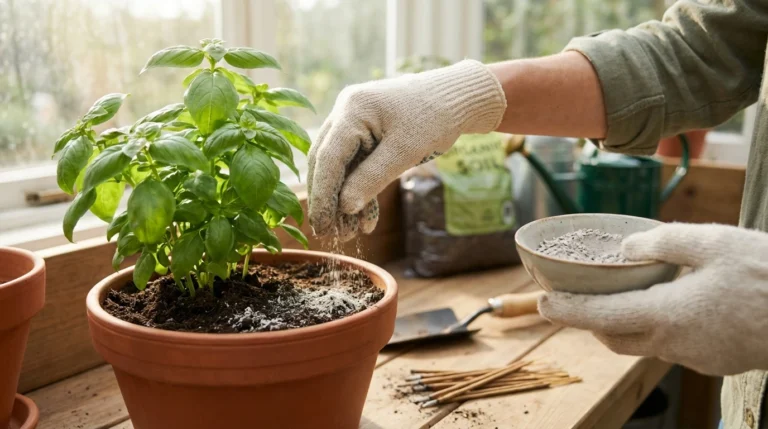
- Wood Ash: This can also help increase alkalinity while adding potassium.
- Compost: Well-balanced compost can help stabilize pH levels over time.
Common Mistakes to Avoid
When managing clay soil pH, avoid these common pitfalls:
- Over-amending: Adding too much of any amendment can disrupt the soil balance.
- Ignoring Soil Tests: Failing to test soil before making amendments can lead to ineffective or harmful adjustments.
- Neglecting Drainage: Remember that clay soil needs proper drainage. Compaction and poor water flow can worsen pH issues.
Expert Tips for Clay Soil Management
As a gardener, here are some insider tips to effectively manage your clay soil:
- Rotate Crops: Change your plant varieties annually to improve soil structure and health.
- Regular Composting: Continuously add organic matter, as it can help prevent soil compaction.
- Deep Tillage: Occasionally, deep tilling can break up compacted layers, improving drainage.
Common Questions About Clay Soil pH
1. What is the ideal pH for clay soil?
The ideal pH for clay soil generally falls between 6.0 and 7.0, which supports most plant growth.
2. How do I know if my clay soil is too acidic?
Signs of acidic soil include poor plant growth, yellowing leaves, and nutrient deficiencies. Testing the soil pH will provide clarity.
3. Can I grow vegetables in clay soil?
Yes, many vegetables can thrive in clay soil if it is properly amended and managed for drainage and nutrient availability.
4. How often should I test my clay soil?
It’s best to test your soil pH annually or every few years, especially after significant amendments or changes in planting.
5. What plants thrive in acidic clay soil?
Plants like blueberries, azaleas, and ferns often thrive in acidic conditions and can be good choices for clay soil.
Conclusion
Understanding whether your clay soil is acidic or alkaline is key to creating a thriving garden. With the right amendments and management techniques, you can transform clay soil into a rich, productive environment for your plants. Don’t hesitate to test your soil regularly and adjust as needed, ensuring that your garden flourishes year after year. Happy gardening!