Adding nitrogen to your soil is a crucial step for gardeners looking to boost plant growth and achieve a vibrant, healthy garden. Nitrogen is an essential nutrient that supports vigorous foliage and overall plant development. However, knowing how to effectively add nitrogen can be a bit overwhelming, especially with the various methods and sources available. Let’s demystify the process and dive into practical strategies to enrich your soil with nitrogen.
Quick Answer
To add nitrogen to soil, consider using organic sources like compost, manure, or legumes, or opt for synthetic fertilizers. Incorporating these materials can enhance soil fertility, support plant growth, and improve overall garden health.
Understanding Nitrogen and Its Importance
Nitrogen is one of the three primary nutrients essential for plant growth, alongside phosphorus and potassium. It plays a significant role in several key processes, including:
- Photosynthesis: Nitrogen is a vital component of chlorophyll, the green pigment in plants that captures sunlight.
- Protein Synthesis: It is a building block of amino acids, which are crucial for protein formation in plants.
- Cell Growth: Adequate nitrogen levels promote healthy cell division and growth, leading to lush foliage.
Signs of Nitrogen Deficiency
Before adding nitrogen, it’s essential to identify if your plants are indeed deficient. Common signs include:
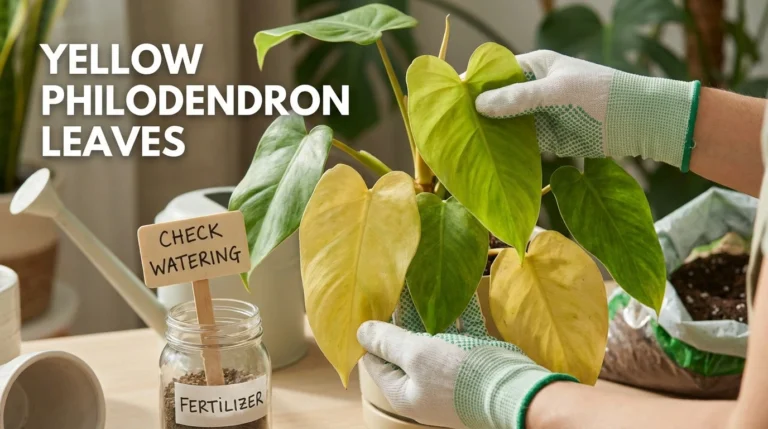
- Yellowing Leaves: Especially the older leaves, which may turn yellow while veins remain green.
- Poor Growth: Stunted plants that fail to thrive can indicate insufficient nitrogen.
- Weak Stems: Plants may develop thin, weak stems and a sparse foliage appearance.
Natural Sources of Nitrogen
1. Compost
Composting is an excellent way to enrich soil with nitrogen while recycling kitchen scraps and yard waste. A balanced compost mix will provide a steady release of nitrogen along with other nutrients. Here’s how to make and use it:
- Gather Materials: Collect a mix of green materials (like vegetable scraps, grass clippings, and coffee grounds) and brown materials (like dried leaves and cardboard).
- Maintain Balance: Aim for a ratio of about 3:1 browns to greens to ensure proper decomposition.
- Turn Regularly: Aerating the pile helps speed up the composting process.
- Use in Garden: Once fully decomposed, mix the compost into your garden soil or use it as a top dressing.
2. Manure
Animal manure is another rich source of nitrogen. Here are some tips for using it effectively:
- Choose the Right Type: Well-rotted manure from herbivores (like cows, horses, or chickens) is preferable.
- Application: Apply a thin layer (1-2 inches) before planting, or mix it into the soil.
- Timing: Allow manure to age for at least six months to reduce the risk of pathogens and odor.
3. Legumes
Legumes, such as beans, peas, and clover, have a unique ability to fix atmospheric nitrogen in their roots through a symbiotic relationship with nitrogen-fixing bacteria. You can incorporate them into your garden in several ways:
- Cover Crops: Plant legumes as cover crops during the off-season. When tilled back into the soil, they release nitrogen.
- Companion Planting: Grow legumes alongside other plants to enrich the soil naturally.
4. Green Manures
Similar to cover crops, green manures are crops specifically grown to be tilled back into the soil to enhance its nutrient content. Common options include:
- Field Peas: A quick-growing cover crop that adds nitrogen.
- Vetch: A hardy winter crop known for its nitrogen-fixing properties.
Synthetic Sources of Nitrogen
1. Fertilizers
If you’re looking for immediate results, synthetic fertilizers can provide a quick nitrogen boost. Here’s how to choose and use them:
- Types: Look for fertilizers labeled with a high first number in the N-P-K ratio (e.g., 10-0-0).
- Application: Follow the manufacturer’s instructions for application rates and timing.
- Watering: Water the area after applying fertilizer to help it absorb into the soil.
2. Blood Meal
Blood meal is a highly concentrated organic nitrogen source. It’s made from dried animal blood and can be beneficial in small amounts:
- Use Sparingly: Due to its potency, apply blood meal at a rate of no more than 1-2 pounds per 100 square feet.
- Mix with Soil: Incorporate it into the top few inches of soil for best results.
Step-by-Step Guide: How to Add Nitrogen to Your Soil
Step 1: Test Your Soil
Before making any amendments, test your soil to determine its current nitrogen levels. Soil testing kits are available at garden centers or through local agricultural extensions.
Step 2: Choose Your Source
Based on your soil test results, decide on the best nitrogen source. If you prefer organic methods, go for compost or manure. For quick fixes, consider synthetic fertilizers.
Step 3: Prepare Your Soil
Clear the area of weeds and debris. Loosen the soil with a garden fork or tiller to improve aeration and absorption.
Step 4: Apply Nitrogen Source
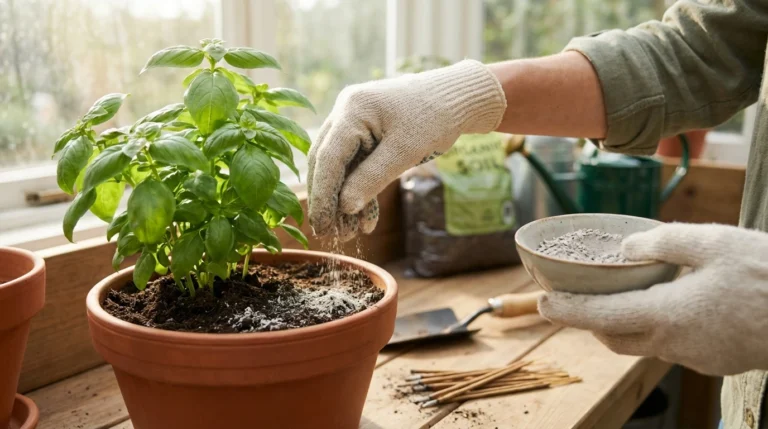
Evenly distribute your chosen nitrogen source over the soil. If using granular fertilizers, ensure an even spread to avoid hot spots that can harm plants.
Step 5: Incorporate into Soil
Using a rake or hoe, gently mix the nitrogen source into the top 3-4 inches of soil.
Step 6: Water Thoroughly
After application, water the area well to help the nitrogen penetrate the soil and reach plant roots.
More Ideas for Adding Nitrogen
1. DIY Compost Bin
Create a visually appealing compost bin using reclaimed wood or decorative materials that blend into your garden.
2. Plant Legumes as Ground Cover
Use colorful legumes like purple-hued peas to add beauty and nitrogen to your garden simultaneously.
3. Decorative Raised Beds with Manure
Build raised beds using attractive materials and fill them with a mix of soil and well-aged manure for a nutrient-rich environment.
4. Artistic Green Manure Planting
Design a pattern with green manure crops to add visual interest while enriching your soil.
Expert Tips for Adding Nitrogen
- Rotate Crops: Practice crop rotation to prevent nitrogen depletion and maintain soil health.
- Monitor Soil pH: An optimal pH (6.0-7.0) helps plants absorb nitrogen more effectively.
- Use Mulch: Organic mulch not only conserves moisture but also slowly adds nitrogen as it decomposes.
Common Questions About Adding Nitrogen to Soil
1. How much nitrogen do plants need?
The nitrogen requirement varies by plant type, but generally, leafy greens require more nitrogen than root vegetables. Soil tests can help determine specific needs.
2. Can I add too much nitrogen?
Yes, excessive nitrogen can lead to rapid growth, weak stems, and increased susceptibility to pests and diseases. Always follow recommended application rates.
3. How often should I add nitrogen to my soil?
Adding nitrogen depends on plant growth stages and soil conditions. Generally, adding nitrogen once or twice a growing season is sufficient for most gardens.
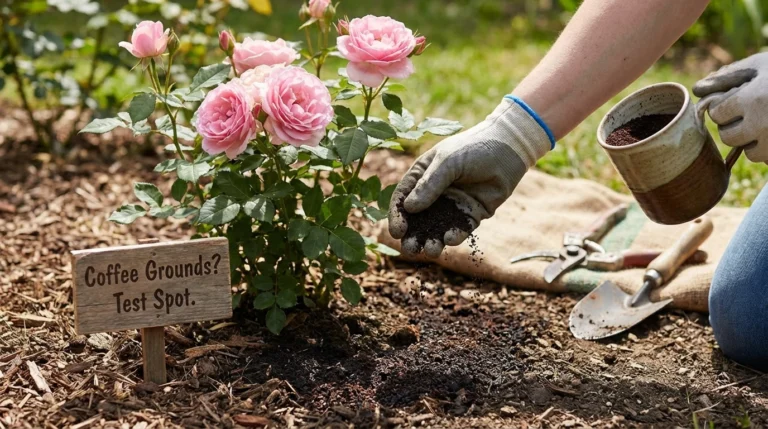
4. Can I use coffee grounds as a nitrogen source?
Yes, coffee grounds are a good source of nitrogen and can be added to compost or directly to the soil. Use them in moderation to avoid acidity.
Conclusion
Enhancing your soil with nitrogen is a rewarding practice that can lead to a thriving garden. By understanding the various sources and methods to add nitrogen, you can tailor your approach to meet your specific gardening needs. Remember to monitor your plants and soil conditions regularly, ensuring your garden remains a beautiful, lush haven for years to come. So, roll up your sleeves and get started on enriching your soil today!