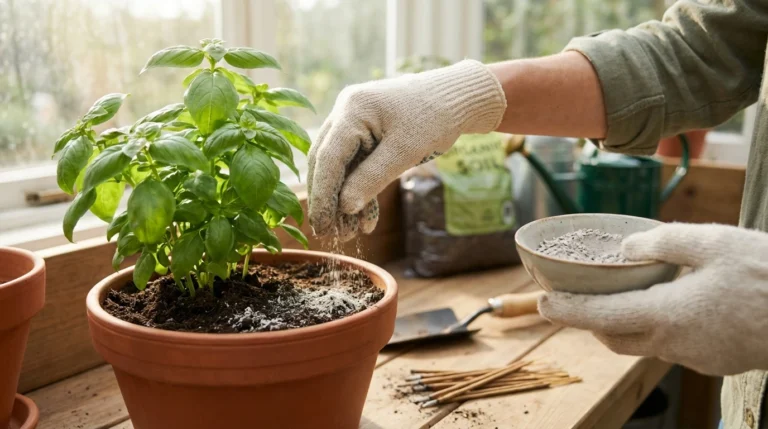
Have you ever found a bag of lawn fertilizer tucked away in your garage or shed, only to wonder if it’s still good to use? You’re not alone! Many gardeners face this dilemma, especially when they stumble upon supplies from previous seasons. Understanding whether lawn fertilizer goes bad is crucial for maintaining a healthy lawn. Using expired or degraded products can hinder your lawn’s growth or even cause damage. Let’s dive into the details about lawn fertilizer longevity, how to store it properly, and what to look for to ensure your lawn gets the nutrients it needs.
Quick Answer
Yes, lawn fertilizer can go bad over time due to exposure to moisture, heat, and air. While granular fertilizers typically last for several years, liquid fertilizers may have a shorter shelf life. Always check for clumping, discoloration, or a foul smell before use.
Understanding Lawn Fertilizer
Before discussing whether lawn fertilizer goes bad, it’s essential to understand what fertilizers are and their components. Fertilizers provide essential nutrients to plants, promoting growth and health. They can be broadly classified into two categories: organic and inorganic (synthetic).
Types of Lawn Fertilizers
- Granular Fertilizers: These are dry fertilizers that release nutrients slowly. They last longer and are easier to store.
- Liquid Fertilizers: These provide a quick nutrient boost but usually have a shorter shelf life.
- Organic Fertilizers: Made from natural materials, these are eco-friendly but can degrade faster than synthetic options.
- Slow-Release Fertilizers: These release nutrients over time, providing a steady supply for your lawn.
Does Lawn Fertilizer Expire?
Yes, lawn fertilizers can expire or degrade over time. The longevity of fertilizer depends on various factors, including its type, storage conditions, and original components. Let’s break down how each factor affects fertilizer shelf life.
Factors Influencing Shelf Life
- Moisture: Exposure to moisture can cause fertilizers to clump and lose effectiveness. Granular fertilizers are particularly susceptible to this.
- Heat: High temperatures can degrade the nutrients in fertilizers, especially in liquid forms.
- Air Exposure: Once opened, fertilizers can absorb moisture and air, leading to oxidation and nutrient loss.
- Original Composition: Organic fertilizers generally have a shorter lifespan compared to synthetic ones.
Signs That Lawn Fertilizer Has Gone Bad
It’s essential to identify whether your fertilizer is still effective before applying it to your lawn. Here are some signs to look out for:
Visual Inspection
- Clumping: If you notice lumps or clumps in the granular fertilizer, it may have absorbed moisture and should be discarded.
- Discoloration: A change in color, especially if it turns dark or unusual, indicates degradation.
- Contamination: Look for any signs of mold or pests, which can compromise effectiveness.
Smell Test
A foul or sour smell is a clear indication that the fertilizer has gone bad. Fresh fertilizers should have a neutral scent, while spoiled ones may emit unpleasant odors.
Performance Test
If you decide to apply old fertilizer, monitor your lawn closely. Poor growth or unusual discoloration may indicate that the fertilizer was ineffective.
Storage Tips for Lawn Fertilizer
Proper storage can significantly extend the shelf life of your lawn fertilizers. Here are some effective practices:
Ideal Conditions
- Cool, Dry Place: Store fertilizers in a cool, dry area away from direct sunlight and moisture.
- Airtight Containers: If possible, keep fertilizers in airtight containers to limit air exposure.
- Original Packaging: If you store them in their original bags, ensure they are sealed tightly after use.
Regular Checks
Periodically check your stored fertilizers for signs of spoilage. This routine helps you discard any bad products before they can be applied to your lawn.
How Long Does Lawn Fertilizer Last?
The shelf life of lawn fertilizers varies by type:
Granular Fertilizers
Typically last for 4 to 10 years if stored properly. They are the most stable form of fertilizer and can remain effective even after extended storage.
Liquid Fertilizers
Usually have a shelf life of 1 to 3 years. They are more prone to degradation due to their composition and exposure to air.
Organic Fertilizers
Generally last 1 to 3 years, depending on the materials used. They can break down faster due to their natural ingredients.
Using Old Fertilizer Safely
If you have old fertilizer and are unsure about its efficacy, consider the following steps before using it:
Testing Before Application
- Small Test Area: Apply a small amount to a limited area of your lawn to observe any adverse effects.
- Mix with Fresh Fertilizer: If it appears usable, consider mixing it with fresh fertilizer to enhance nutrient availability.
Consulting Experts
If in doubt, consult a gardening expert or local extension office for advice on the safety and efficacy of your fertilizer.
Expert Tips for Lawn Fertilization
Here are some lesser-known tips to enhance your lawn care routine:
- Soil Testing: Conduct a soil test before applying fertilizer to understand your lawn’s specific nutrient needs.
- Timing is Key: Fertilize during the early morning or late afternoon to minimize evaporation and maximize absorption.
- Use a Spreader: To ensure even application, use a drop or broadcast spreader, which helps prevent burning your grass.
Common Questions About Lawn Fertilizer
1. Can I use lawn fertilizer after it has expired?
While you can use it, it may not provide the expected benefits. Always check for signs of spoilage before applying.
2. What happens if I use bad fertilizer?
Using bad fertilizer can lead to poor lawn health, including yellowing grass, stunted growth, or even plant death.
3. How can I tell if my fertilizer is organic or synthetic?
Check the label; organic fertilizers typically list natural ingredients, while synthetic ones contain chemical compounds.
4. Is it safe to store fertilizer in my shed?
Yes, but ensure it’s in a cool, dry place and out of reach of children and pets to prevent accidents.
5. How often should I fertilize my lawn?
Generally, fertilizing 2 to 4 times a year is recommended, depending on your grass type and regional climate.
Conclusion
Understanding whether lawn fertilizer goes bad is crucial for maintaining a healthy lawn. By recognizing the signs of spoilage and practicing proper storage, you can ensure your lawn receives the nutrients it needs for optimal growth. Don’t hesitate to use old fertilizer, but do so with caution—always inspect and test before applying. Happy gardening!