As a gardener, you may have encountered the dilemma of maintaining a pristine lawn while battling pesky weeds. Pre-emergent herbicides offer a solution by preventing weeds from sprouting in the first place. But the question arises: are these chemicals safe for your family, pets, and the environment? In this guide, we’ll delve into the safety of pre-emergent herbicides, when and how to use them effectively, and provide you with insights to make informed decisions for your garden.
Quick Answer
Pre-emergent herbicides are generally safe when used as directed. They work by creating a barrier in the soil to inhibit weed seed germination. Proper timing and application methods are crucial to ensure safety for your family, pets, and beneficial organisms.
Understanding Pre-Emergent Herbicides
Before diving into safety, it’s essential to understand what pre-emergent herbicides are and how they function. These herbicides are designed to prevent the germination of weed seeds by forming a chemical barrier in the soil. They are most effective against annual weeds, such as crabgrass and foxtail, which can quickly take over your lawn and garden.
How Pre-Emergent Herbicides Work
Pre-emergent herbicides disrupt the growth process of weed seeds. When applied to the soil, they create a protective layer that interferes with seed germination. This means that if seeds do not germinate, they cannot grow into mature weeds. This method is particularly effective in the early spring or fall, depending on the type of weeds you are targeting.
Types of Pre-Emergent Herbicides
- Chemical Herbicides: These are synthetic products that contain active ingredients designed to inhibit weed growth.
- Organic Herbicides: Made from natural ingredients, these options are often considered safer and more environmentally friendly.
Are Pre-Emergent Herbicides Safe?
The safety of pre-emergent herbicides can vary based on several factors, including the type of herbicide, application method, and environmental considerations. Here’s a breakdown of the main safety concerns:
Human Health Risks
When used correctly, pre-emergent herbicides pose minimal risk to human health. However, exposure can occur through inhalation, skin contact, or ingestion. To mitigate these risks, consider the following:
- Always wear protective gear, such as gloves and masks, during application.
- Follow the manufacturer’s instructions regarding application rates and safety precautions.
- Keep children and pets away from treated areas for the recommended period.
Effects on Pets
Pets are curious creatures, often exploring their surroundings. It’s vital to ensure their safety when using herbicides. Here are some tips:
- Keep pets indoors during application and for a few days afterward.
- Ensure they do not ingest treated soil or plants.
- Consult your veterinarian if you’re concerned about specific herbicide ingredients.
Environmental Impact
While pre-emergent herbicides can effectively control weeds, their environmental impact is worth considering. Some key points include:
- Chemicals can leach into groundwater, affecting drinking water sources.
- They may harm beneficial insects and soil health if misapplied.
- Organic options tend to have a lower environmental impact.
When to Use Pre-Emergent Herbicides
Timing is everything when it comes to applying pre-emergent herbicides. Applying them at the right moment maximizes their effectiveness and safety.
Seasonal Timing
Pre-emergent herbicides should be applied in early spring before the soil temperature reaches 55°F (13°C) for the best results against summer annual weeds. For winter annuals, fall application is key. Here’s a simple guide:
- Spring Application: Target weeds like crabgrass. Apply in late winter to early spring.
- Fall Application: For winter weeds, apply in early fall before the first frost.
Soil Temperature Monitoring
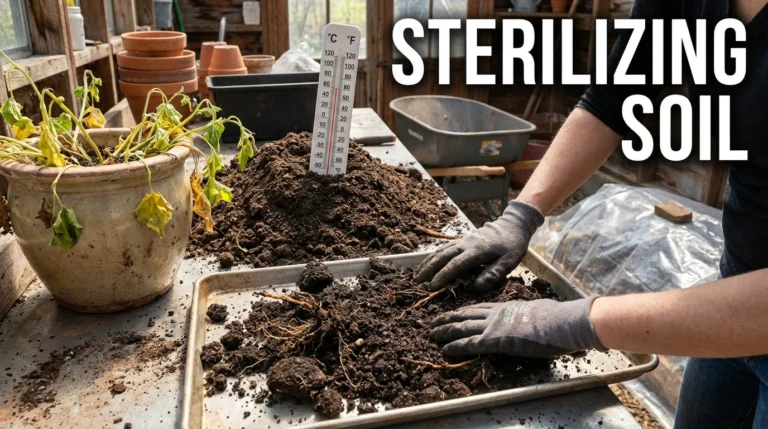
Using a soil thermometer can help you determine the right time to apply pre-emergent herbicides. Check the soil temperature regularly and apply as soon as it reaches the appropriate level for the weeds you are targeting.
How to Use Pre-Emergent Herbicides Safely
Proper application techniques are crucial for safety and effectiveness. Here’s a step-by-step guide to ensure you’re using pre-emergent herbicides correctly:
Step-by-Step Application Process
- Preparation: Choose the right product for your needs. Read the label thoroughly and gather necessary equipment, including a sprayer or spreader.
- Application: Apply the herbicide evenly across the target area. Avoid overlapping to prevent over-application.
- Watering: Water the area lightly after application to activate the herbicide. Follow the instructions for specific watering guidelines.
- Monitoring: Keep an eye on the treated area for any signs of weeds or adverse effects on plants.
Common Mistakes to Avoid
- Applying too late in the season, allowing weeds to germinate.
- Over-applying, which can lead to chemical buildup and harm desirable plants.
- Failing to water in the herbicide, which is essential for activation.
More Ideas for Weed Control
Looking for creative ways to manage your garden without relying solely on herbicides? Here are some Pinterest-friendly ideas:
- Mulching: Use organic mulch like wood chips or straw to suppress weeds and retain moisture.
- Natural Weed Barriers: Consider landscape fabric or cardboard to prevent weed growth while allowing water and nutrients to penetrate.
- Companion Planting: Plant certain species together to naturally deter weeds and pests.
- Hand Weeding: A simple solution that can be therapeutic and effective for small gardens.
- Boiling Water: Pouring boiling water on weeds is a non-selective method that kills them without chemicals.
Expert Tips for Effective Use
As you embark on your journey with pre-emergent herbicides, consider these insider tips for success:
- Read the Label: Always follow the manufacturer’s instructions for safe and effective use.
- Test a Small Area: Before full application, test a small section of your garden to observe any adverse effects.
- Rotate Products: To avoid resistance, switch between different herbicides each season.
- Observe Weather Conditions: Avoid applying before heavy rainfall, as this can wash away the herbicide.
Common Questions (FAQ)
1. Can I use pre-emergent herbicides in vegetable gardens?
Generally, it’s not recommended to use pre-emergent herbicides in vegetable gardens, as they may inhibit the growth of desirable plants as well. Always check the label for specific guidelines.
2. How long do pre-emergent herbicides last in the soil?
Pre-emergent herbicides typically remain effective for 8 to 12 weeks, depending on the product and soil conditions. Follow up with additional applications as necessary.
3. Can I apply pre-emergent herbicides and fertilizer at the same time?
It’s best to apply pre-emergent herbicides separately from fertilizers to ensure each product can perform effectively without interference.
4. Are there organic alternatives to pre-emergent herbicides?
Yes, some organic options include corn gluten meal and vinegar, which can help suppress weed growth without harmful chemicals.
5. What should I do if I accidentally apply too much herbicide?
If you suspect over-application, water the area lightly to dilute the herbicide. Monitor plants for signs of damage and consult a local extension office for further advice.
Conclusion
Pre-emergent herbicides can be a valuable tool in your gardening arsenal, helping you maintain a healthy, weed-free garden. By understanding their safety, timing, and proper application methods, you can effectively control weeds while ensuring the well-being of your family, pets, and the environment. Embrace the beauty of a well-tended garden and enjoy the satisfaction of a thriving outdoor space.