Have you noticed that your beloved aloe plant is turning brown? It’s a frustrating sight, especially when you’ve nurtured it with care. Aloe plants are generally resilient, but they can show signs of distress when something isn’t quite right. Understanding the reasons behind this color change is essential for revitalizing your plant. Here, we’ll explore the potential causes of browning in aloe plants and provide practical, actionable fixes to help your green friend thrive once again.
Quick Answer
If your aloe plant is turning brown, it may be due to overwatering, insufficient light, or pest infestations. Address these issues by adjusting your watering schedule, ensuring adequate sunlight, and checking for pests. With these fixes, your aloe can recover and thrive.
Understanding Aloe Plant Browning
Aloe plants, known for their succulent leaves and healing properties, are relatively easy to care for. However, they can develop brown spots or tips, indicating a problem. Let’s dive into the most common reasons your aloe is changing color.
1. Overwatering
One of the most prevalent issues in indoor gardening is overwatering. Aloe plants, being succulents, store water in their leaves and prefer dry conditions.
- Signs: Brown spots often appear at the base of the leaves or tips, and the leaves may feel mushy.
- Causes: Overwatering leads to root rot, which makes it difficult for the plant to absorb nutrients.
2. Underwatering
While it’s easy to assume that all succulents are drought-resistant, aloe plants can also suffer from underwatering.
- Signs: Leaves may appear shriveled or dry, with brown tips.
- Causes: Insufficient water can cause the plant to become stressed, leading to browning.
3. Insufficient Light
Aloe plants thrive in bright, indirect sunlight. If they’re not getting enough light, they can start to turn brown.
- Signs: Slow growth, leggy stems, and brown tips or spots.
- Causes: Lack of light affects photosynthesis, which is vital for the plant’s health.
4. Pest Infestation
Sometimes, the problem lies beneath the surface. Pests can wreak havoc on your aloe plant, leading to discoloration.
- Signs: Sticky residue, webbing, or visible insects on the plant.
- Causes: Common pests like aphids, mealybugs, and spider mites can damage the leaves and roots.
5. Temperature Stress
Aloe plants prefer a stable environment. Extreme temperatures can lead to browning.
- Signs: Browning leaves, especially in cold drafts or near heat sources.
- Causes: Sudden temperature changes can shock the plant.
5 Fixes for Your Browning Aloe Plant
Now that you understand the causes of browning in your aloe plant, let’s explore effective solutions to restore its health.
1. Adjust Your Watering Schedule
Finding the right balance in watering is crucial for your aloe plant’s health.
- Check the soil moisture by sticking your finger about an inch into the soil. If it feels dry, it’s time to water.
- Water thoroughly, allowing excess water to drain from the pot. Never let your aloe sit in standing water.
- If you suspect overwatering, stop watering for a few weeks to allow the roots to dry out.
2. Increase Sun Exposure
Ensure your aloe plant receives adequate light to promote healthy growth.
- Position your plant near a south or west-facing window where it can get bright, indirect sunlight.
- If the leaves start to turn brown due to too much direct sunlight, consider using sheer curtains to filter the light.
- Rotate the pot occasionally to ensure all sides of the plant receive equal light.
3. Inspect for Pests
Regularly check your aloe plant for signs of pests and take immediate action if you find any.
- Inspect the leaves and soil for sticky residue or webbing.
- Use a damp cloth to wipe the leaves. If you notice pests, treat the plant with insecticidal soap or neem oil.
- Isolate the affected plant to prevent pests from spreading to others.
4. Optimize Temperature Conditions
Maintaining the right temperature can significantly affect your aloe’s health.
- Keep your aloe plant in a room with temperatures ranging from 60°F to 75°F (15°C to 24°C).
- Avoid placing it near drafts, heaters, or air conditioning vents.
- Consider a humidity tray or a pebble tray for extra moisture during dry winter months.
5. Repotting if Necessary
If overwatering has led to root rot, repotting may be the best solution.
- Choose a pot that’s slightly larger than the current one, with drainage holes.
- Use a well-draining succulent or cactus potting mix to promote healthy root growth.
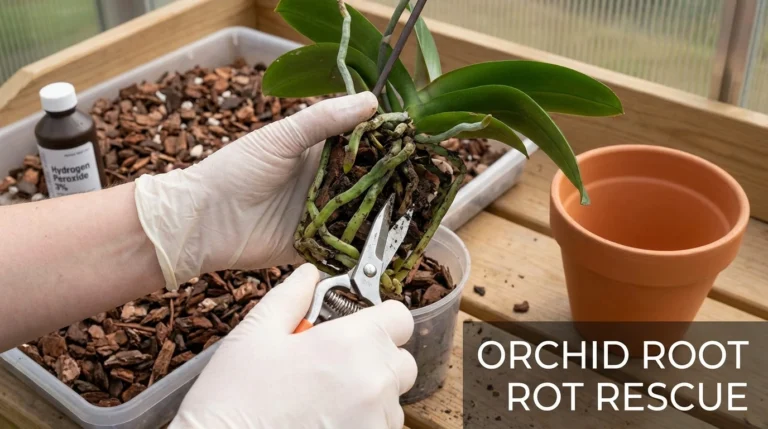
- Remove the plant from its current pot, gently shake off the old soil, and inspect the roots. Trim any mushy or brown roots before replanting.
Expert Tips for Keeping Your Aloe Plant Healthy
To ensure your aloe plant remains vibrant and healthy, consider these expert tips:
- Fertilize Sparingly: Use a diluted succulent fertilizer during the growing season (spring and summer) to provide nutrients.
- Choose the Right Pot: Ensure the pot has drainage holes to prevent water from accumulating at the bottom.
- Observe Leaf Color: Healthy aloe leaves should be bright green. If you notice them yellowing or browning, reassess your care routine.
- Be Patient: Recovery from browning can take time. Give your plant the care it needs, and be patient as it heals.
Common Questions about Aloe Plant Care
Why are the tips of my aloe plant turning brown?
The tips of your aloe plant may turn brown due to underwatering, excessive sunlight, or nutrient deficiencies. Ensure you’re watering appropriately and that the plant is receiving the right amount of light.
How often should I water my aloe plant?
Water your aloe plant every 2-3 weeks, allowing the soil to dry out completely between waterings. Adjust based on your home’s humidity and temperature.
Can I save my aloe plant if it has root rot?
Yes, you can save your aloe plant if it has root rot. Repot it in fresh, well-draining soil, trimming away any rotten roots. Allow the plant to dry out for a few days before watering again.
What type of soil is best for aloe plants?
A well-draining succulent or cactus soil is ideal for aloe plants. You can also mix regular potting soil with sand or perlite to improve drainage.
Is it normal for my aloe plant to lose leaves?
Some leaf loss is normal, especially as older leaves die off to make way for new growth. However, excessive leaf loss or browning may indicate stress that needs addressing.
Conclusion
Seeing your aloe plant turn brown can be disheartening, but with the right knowledge and care, it can bounce back. By understanding the causes and implementing these fixes, your aloe plant can thrive in your home. Remember, patience is key, and with a little attention, your aloe will reward you with its beautiful, vibrant leaves once again. Happy gardening!