When it comes to maintaining a vibrant, healthy lawn or garden, the right fertilizer can make all the difference. With so many options available, two names often come up in discussions: Ironite and Milorganite. Both products claim to boost plant growth and enhance soil health, but they come from very different sources and have unique properties. Understanding their differences can help you make an informed decision tailored to your gardening needs.
Quick Answer
Ironite is a mineral-based fertilizer rich in iron and designed to enhance color and vigor in plants, while Milorganite is an organic fertilizer made from treated sewage sludge, providing slow-release nitrogen and essential nutrients for soil health. Choosing between them depends on your specific gardening goals.
Understanding the Basics
What is Ironite?
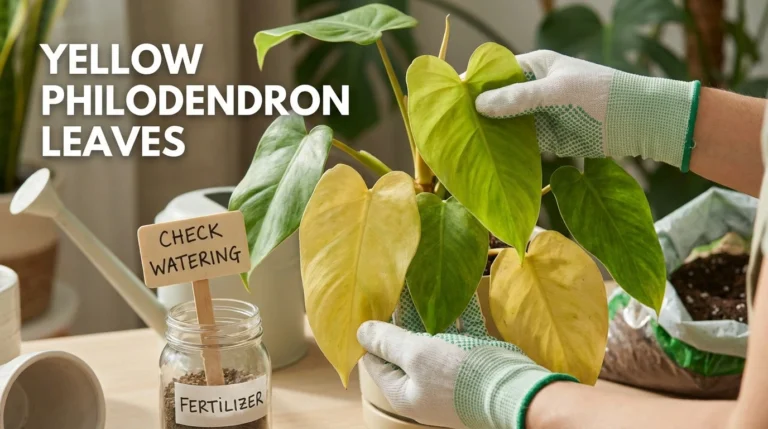
Ironite is a mineral supplement primarily composed of iron, along with other essential nutrients such as potassium and magnesium. It is designed to correct iron deficiencies in plants, which can cause chlorosis, a condition where leaves turn yellow while veins remain green. Ironite is often used to improve the color and overall vigor of lawns, shrubs, and ornamental plants.
What is Milorganite?
Milorganite, on the other hand, is an organic fertilizer produced from treated municipal wastewater. The name is derived from “Milwaukee Organic Nitrogen.” This slow-release fertilizer is rich in nitrogen, phosphorus, and potassium, along with a variety of micronutrients. Milorganite not only nourishes plants but also improves soil structure and encourages beneficial microbial activity.
Key Differences Between Ironite and Milorganite
1. Composition
- Ironite: Primarily composed of iron, along with trace amounts of other minerals.
- Milorganite: Made from organic materials, rich in nitrogen, phosphorus, potassium, and beneficial microbes.
2. Nutrient Release
- Ironite: Provides quick-release nutrients, particularly iron, that can quickly alleviate deficiencies.
- Milorganite: Offers slow-release nutrients, promoting long-term soil health and steady plant growth.
3. Application Method
- Ironite: Typically applied as a granular product, it can be spread using a broadcast spreader.
- Milorganite: Also granular, but its application can be more forgiving as it’s hard to over-fertilize due to its slow-release nature.
4. Environmental Impact
- Ironite: As a mineral-based product, it is considered less environmentally friendly in comparison to organic options.
- Milorganite: Being an organic fertilizer, it helps improve soil health and is less likely to contribute to runoff issues.
Choosing the Right Product for Your Garden
When to Use Ironite
Ironite is ideal if:
- Your plants are showing signs of iron deficiency, such as yellowing leaves.
- You want to enhance the color of your lawn or ornamental plants quickly.
- You have alkaline soil that tends to bind iron, making it less available to plants.
When to Use Milorganite
Milorganite is suitable if:
- You prefer organic gardening practices and want to improve soil health.
- Your focus is on long-term nutrient availability and microbial activity in the soil.
- You are looking for a product that is less likely to burn your plants.
Application Tips for Ironite and Milorganite
How to Apply Ironite
- Determine the area that needs treatment based on plant health.
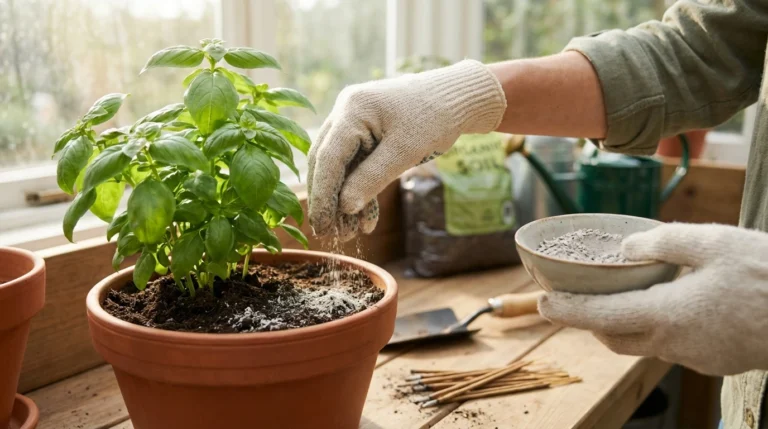
- Use a broadcast spreader for even application, following the recommended rate on the label.
- Water the area thoroughly after application to help the nutrients penetrate the soil.
How to Apply Milorganite
- Calculate how much Milorganite you need based on the square footage of the area.
- Spread the granules evenly using a broadcast spreader.
- Water the area after application to activate the nutrients.
Expert Tips for Maximizing Your Fertilizer Use
Here are some insider tips to get the most out of Ironite and Milorganite:
- Test Your Soil: Before applying any fertilizer, conduct a soil test to determine existing nutrient levels.
- Follow Recommendations: Always adhere to the manufacturer’s application rates to avoid over-fertilization.
- Timing is Key: Apply fertilizers during the growing season when plants can utilize the nutrients effectively.
- Water Wisely: Regular watering helps activate fertilizers; consider the weather to avoid runoff.
Common Questions About Ironite and Milorganite
1. Can I use Ironite and Milorganite together?
Yes, you can use both products together; however, be cautious with application rates to avoid nutrient overload.
2. How often should I apply Ironite?
Ironite can be applied every 4-6 weeks during the growing season, but always refer to the product label for specific guidance.
3. Is Milorganite safe for vegetable gardens?
Yes, Milorganite is safe for vegetable gardens and is often recommended for organic gardening practices.
4. Will Ironite burn my plants?
Ironite is less likely to burn plants if applied according to the recommended rates, but care should always be taken.
5. How long does Milorganite last in the soil?
Milorganite provides nutrients for several weeks, with a slow-release effect that can last up to 10 weeks.
Conclusion
Both Ironite and Milorganite have their unique advantages and are suitable for different gardening situations. Understanding what each product offers allows you to make the best choice for your plants’ health. Whether you need an immediate boost of iron or a long-term organic solution, knowing your garden’s specific needs will help you achieve the lush, vibrant landscape you desire. Happy gardening!